
Orchid Care
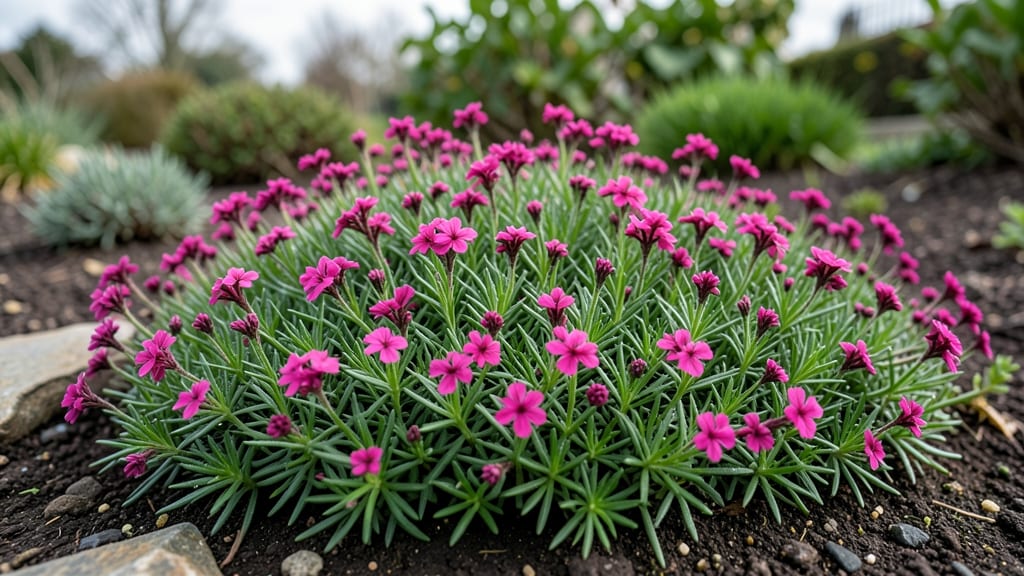
This hardy ground cover, the creeping phlox, is actually a perennial—not an annual—meaning it thrives year after year, dying back to the ground in winter but regrowing from its sturdy root system each spring.
This hardy ground cover stores energy in its roots during dormancy, which is why it bounces back so reliably. 🌱 Unlike true annuals that complete their entire life cycle in one growing season, creeping phlox develops a deep root network that survives winter's chill.
That's why gardeners love it—it's low-maintenance yet delivers stunning spring color year after year, even in colder climates.
What sets it apart from annuals is its ability to persist through multiple seasons without replanting. The key to its success lies in proper care: pruning after flowering, providing well-draining soil, and protecting it from harsh winters.
When you give it these basics, you'll get that reliable spring show for years to come.
💡 In This Article
- How Creeping Phlox Survives as a Perennial Plant
- Caring for Creeping Phlox to Ensure Yearly Regrowth
How creeping phlox survives as a perennial plant
Creeping phlox, scientifically known as Phlox subulata, employs a clever survival strategy that sets it apart from annual plants. Unlike annuals that complete their entire lifecycle in one growing season, creeping phlox develops a specialized root system that stores nutrients and energy during dormancy.
These fibrous roots can extend up to 6-12 inches deep, creating a network that anchors the plant and preserves vital resources through winter's harshest conditions. 🌱 The plant's ability to photosynthesize even in cool temperatures allows it to continue building energy reserves until temperatures drop below freezing.
The real magic happens in how creeping phlox manages its growth cycle. After flowering in spring, the plant enters a semi-dormant state where it conserves energy while still maintaining some root activity. This process, called vernalization, prepares the plant for winter by hardening its tissues.
What's fascinating is how the plant's stems die back completely, but the roots remain alive and protected beneath the soil surface. This root system can survive temperatures as low as -20°F to -30°F, depending on the specific cultivar, which explains why creeping phlox thrives in USDA zones 3-8.
What makes creeping phlox particularly resilient is its ability to regenerate from just a small portion of living tissue. Even if 90% of the plant's foliage dies back during winter, the remaining root system contains enough stored carbohydrates to fuel new growth when temperatures rise.
This regenerative capacity is what allows it to bounce back so reliably each spring, often producing even more vigorous growth than the previous year. 🌿 The plant's low-growing habit (typically 3-6 inches tall) also helps it conserve moisture and energy by minimizing exposure to harsh elements.
Comparing creeping phlox to true annuals like sweet alyssum or petunias highlights its unique advantage. Annuals must complete their entire lifecycle—germination, growth, flowering, seed production—in just one season, which requires rapid energy allocation.
Creeping phlox, however, can allocate resources more strategically: some go toward immediate flowering for spring color, while others are stored in roots for future growth. This dual-purpose energy management is why creeping phlox can persist for decades with proper care, while annuals must be replanted each year.
The plant's flowering mechanism also demonstrates its perennial strategy. Creeping phlox produces flowers on the previous year's growth, meaning it relies on stored energy from its roots to fuel this spring display. This is different from many perennials that flower on new growth.
The result is a 3-4 week window of vibrant color that appears almost magically after winter's dormancy period, creating that signature spring garden display that gardeners love. 🌸
One often-overlooked factor in creeping phlox's survival is its ability to propagate both sexually (through seeds) and asexually (through runners and root division). While the seeds allow for genetic variation, the root system's ability to spread horizontally creates a dense mat of interconnected plants.
This vegetative reproduction ensures that even if some parts of the plant are damaged, others can take over and maintain the plant's presence in the garden. This dual reproduction strategy provides built-in insurance against complete failure during harsh winters.