
Plants
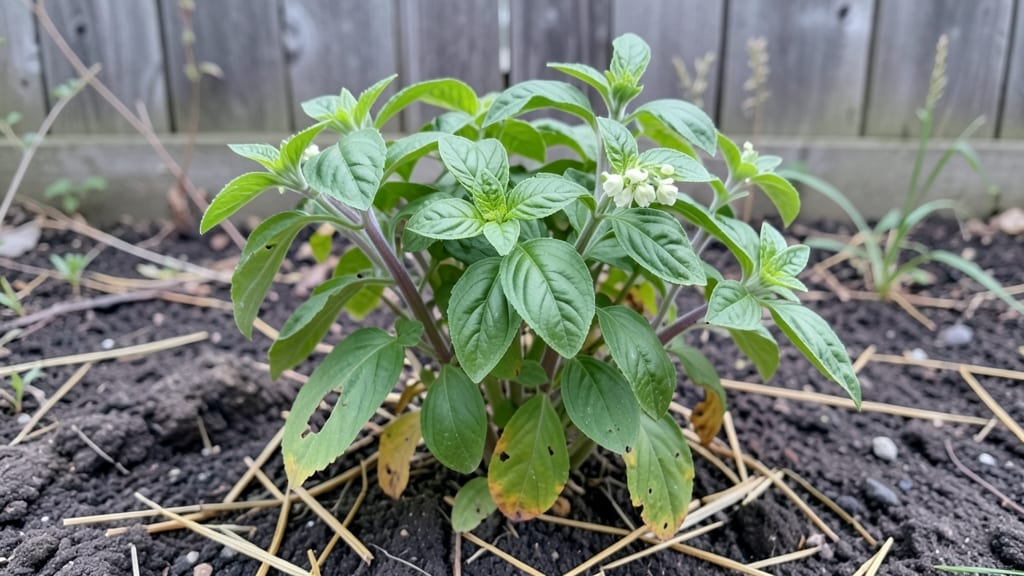
Sweet basil's life cycle is all about timing—it thrives as a summer annual because its delicate stems can't survive frost, even a light freeze. 🌱 However, this doesn't mean you're stuck replanting every year.
Many gardeners I know successfully overwinter basil by taking cuttings in late summer, rooting them in water, and transitioning them to containers indoors. The key is understanding its natural rhythm: basil focuses its energy on flowering and seeding before cold weather forces dormancy.
What's interesting is that while sweet basil behaves like an annual in most USDA zones (4-10), it can act like a short-lived perennial in warmer microclimates or with proper protection. For example, mulching heavily or growing in containers you can move indoors can extend its life by 1-2 years.
The trade-off? Indoor basil often loses some of its robust outdoor flavor but gains the convenience of year-round access to fresh leaves.
💡 In This Article
- Why Sweet Basil Acts Like an Annual Plant
- How to Extend Sweet Basil’s Life Beyond One Season
Why sweet basil acts like an annual plant
Sweet basil's annual nature stems from its tender, herbaceous stems that lack the woody structure of true perennials. When temperatures dip below 32°F, the plant's cells begin to rupture due to ice crystal formation in their vascular system—a process called freeze-thaw damage.
This sensitivity explains why basil dies back completely in most temperate climates each winter, even though it originates from the Mediterranean region where winters are mild. 🌡️ The plant's entire energy shifts toward seed production as daylight shortens, a survival strategy called photoperiodism that triggers flowering and eventual senescence.
Here's what happens botanically: As temperatures cool, basil's apical meristems (growth points) stop producing new leaves and instead form flower buds. These buds contain the plant's genetic material for the next generation, ensuring survival through seed dispersal.
The stems become woody only at the base in later stages, but this development occurs too late to protect against frost. Compare this to perennial herbs like rosemary, whose stems develop thick, insulating bark that can withstand -10°F temperatures without damage.
The seed production cycle is another key factor. Sweet basil's flowers develop in clusters at the stem tips, each containing thousands of tiny seeds. Once mature, these seeds can remain viable in the soil for 2-4 years, waiting for warmer conditions to germinate.
This strategy ensures the species persists even when individual plants die back annually. The trade-off? The plant's focus on reproduction diverts energy from vegetative growth, making it less resilient to environmental stresses like cold snaps or drought.
What most gardeners don't realize is how quickly basil responds to temperature shifts. A single night below 35°F can cause irreversible damage to the plant's leaves and stems, even if daytime temperatures recover.
This rapid sensitivity contrasts with hardy perennials like thyme, which can survive multiple freeze-thaw cycles thanks to specialized compounds that protect cell membranes. The basil plant's entire lifecycle is compressed into a single growing season precisely because of this delicate balance between growth and survival strategies. 🌱
Interestingly, sweet basil's annual habit isn't absolute—it's more about environmental conditions than inherent genetics. In USDA zones 9-10, where winters rarely drop below 30°F, basil often acts like a short-lived perennial, regrowing from its base year after year.
The difference lies in the plant's ability to maintain active growth when temperatures stay above 40°F consistently. This zone-specific behavior shows how climate directly influences whether a plant behaves annually or perennially.
Consider this comparison: While sweet basil's stems freeze solid in winter, its seeds remain dormant until spring. This dual strategy—annual plant growth coupled with long-term seed viability—explains why you can often find volunteer basil plants sprouting in garden beds the following year, even without intentional replanting.
The plant's entire lifecycle is a delicate balance between maximizing growth during warm months and ensuring genetic continuity through seed production. 💫