
Flowers
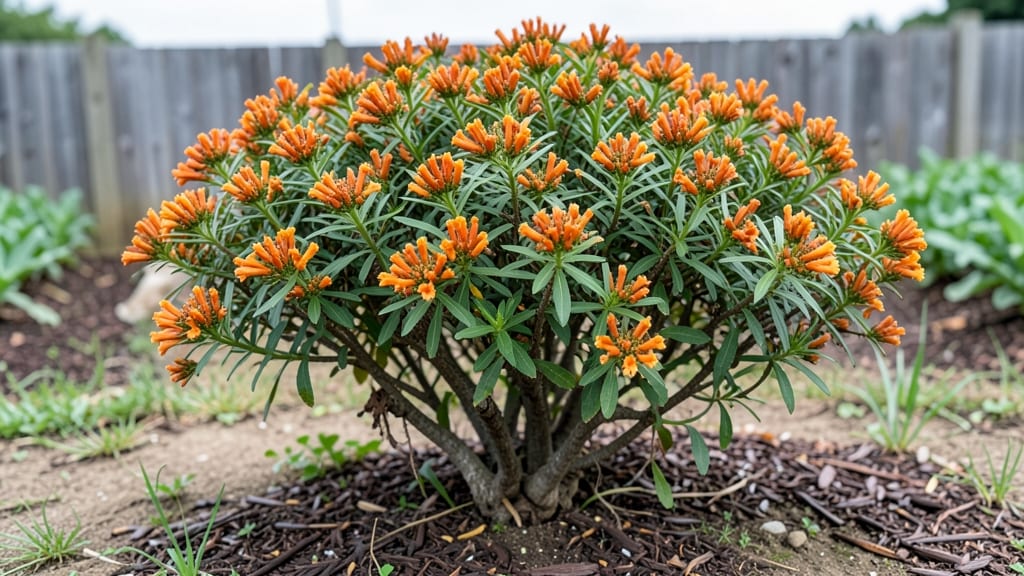
Whether lantana flowers are annual or perennial depends on your climate: they thrive as perennials in warm zones (USDA Zones 8-11) but die back in frost and are treated as annuals in colder regions, where they regrow from seeds or cuttings each spring. Their survival hinges on winter temperatures and soil quality.
This hardy shrub's behavior shifts dramatically with temperature.
In frost-free areas, lantana's deep root system lets it rebound after seasonal dormancy, while northern growers must either dig up plants before winter or start fresh each spring. 🌿 The key difference lies in how cold triggers either dormancy or death—lantana can handle brief chills but won't survive prolonged freezes.
For gardeners in marginal zones (like Zone 7), strategic overwintering techniques can sometimes push its limits.
💡 In This Article
- Lantana’s Growth Cycle: Annual vs Perennial Behavior
- Extending Lantana’s Lifespan in Cold Climates
Lantana’s growth cycle: annual vs perennial behavior
The fundamental difference between lantana's annual and perennial behavior comes down to its root system and cold tolerance thresholds. In frost-free zones (USDA 8-11), lantana develops a deep taproot system that can reach 3-5 feet below ground, allowing it to access moisture and nutrients year-round.
This root structure enables the plant to enter a state of dormancy during dry periods rather than dying back completely. The key trigger here is temperature: when nights dip below 30°F, the plant slows metabolic processes but doesn't suffer fatal damage.
Here's what happens botanically: Lantana's cells contain antifreeze proteins that prevent ice crystal formation in its tissues, similar to how some trees survive winter. However, these proteins only function effectively above 28°F.
When temperatures drop below 25°F for more than 4-6 hours, cellular damage occurs, and the above-ground growth dies.
The roots may survive in Zone 8 with 2-3 inches of mulch protection, but in Zone 7 or colder, even the roots often perish. 🌱 The plant's ability to regenerate depends entirely on whether these roots remain viable.
In colder climates, lantana's lifecycle shifts because the roots can't survive winter. Without living roots, the plant must rely on seed germination or cuttings to restart each spring. This is why gardeners in Zones 3-7 treat it as an annual—it doesn't have the biological infrastructure to persist through winter.
The seeds, however, are remarkably resilient, with 90% germination rates when soil temperatures reach 70°F, which is why lantana often becomes invasive in warm regions where it self-seeds prolifically.
Soil composition plays a surprising role in this behavior. Lantana thrives in well-draining sandy loam with a pH of 6.0-7.5, which helps prevent root rot during dormancy. In heavier clay soils, waterlogged conditions can stress the roots, making them more susceptible to cold damage.
This is why lantana often performs better as a perennial in Zone 8b (where winters rarely drop below 20°F) than in Zone 8a, where 10-15°F dips can be lethal.
The difference between these zones is just 5°F, but that's enough to push lantana from perennial to annual status.
What most gardeners don't realize is that lantana's flowering behavior actually changes with its growth cycle. Perennial plants in warm zones produce flowers continuously from spring through fall, while annuals in cold climates often flower more aggressively in their first year to maximize seed production before dying.
This explains why lantana in Zone 10 might have 12-18 months of blooms, while a Zone 6 plant may only flower for 3-4 months before frost kills it back. The energy allocation shifts dramatically based on whether the plant expects to survive another winter.
For those pushing lantana's limits in Zone 7, the secret lies in root insulation. A 12-inch deep mulch layer of straw or leaves can raise soil temperatures by 5-10°F, sometimes protecting roots during brief cold snaps.
However, this only works if the air temperature doesn't stay below 20°F for more than 24 hours. The plant's survival hinges on this delicate balance between root insulation and atmospheric conditions—something that becomes increasingly difficult as you move northward. ✨