
Plants
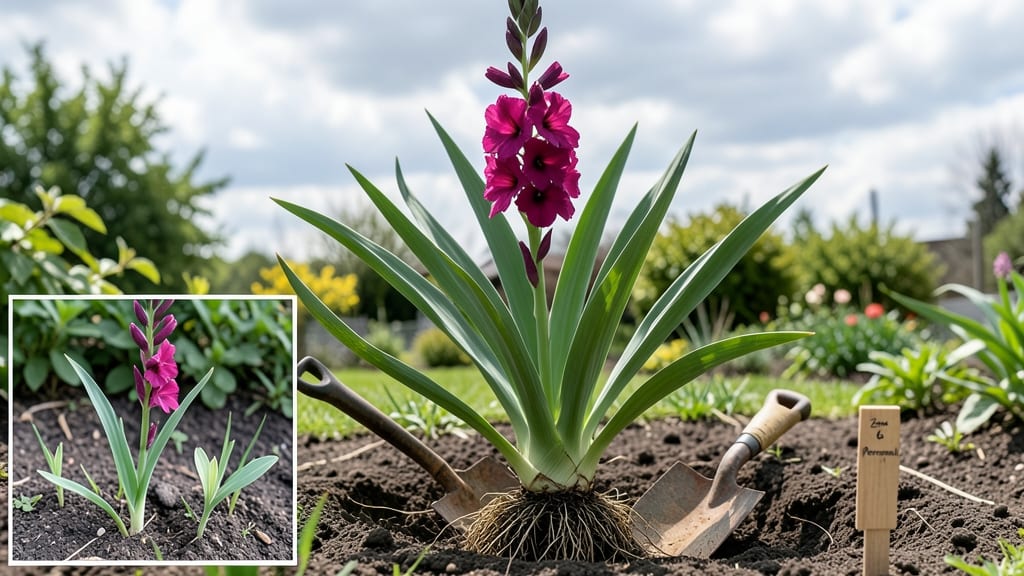
Gladiolus are not true perennials in Zone 6—their corms survive winters only if protected by heavy mulch (4+ inches) or dug up and stored indoors. Without protection, cold temperatures kill the underground rhizomes, requiring annual replanting of fresh corms in spring.
Gladiolus thrive as perennials in warmer climates (Zones 7-10), but their underground corms freeze in Zone 6's colder winters. 🌱 The key difference is their hardiness threshold—most varieties can't tolerate temperatures below 20°F, which is common in Zone 6.
True perennials like daylilies have deeper root systems that insulate better, while gladiolus corms are more vulnerable. If you're growing them in Zone 6, your best options are either insulating them with straw or leaves (at least 4 inches deep) or storing them indoors during winter months.
What many gardeners don't realize is that even with protection, gladiolus corms weaken over time. That's why I recommend treating them like annuals—replanting fresh corms each spring ensures stronger blooms.
Cold-hardy varieties like 'Attraction' or 'Picasso' can handle slightly cooler conditions, but they still need extra care compared to true Zone 6 perennials.
💡 In This Article
- Why Gladiolus Corms Struggle in Zone 6 Winters
- Zone 6 Gladiolus Survival Strategies: Mulching, Storage, and Variety Choices
Why gladiolus corms struggle in Zone 6 winters
The core issue lies in gladiolus corms' biological makeup. Unlike true perennials, their underground storage organs lack the protective layers and insulation of deep root systems. Most gladiolus varieties originate from warmer climates (Zones 7-10), where winter temperatures rarely drop below 20°F.
When exposed to Zone 6's colder winters (10°F to -10°F), the corms' cell structure freezes and ruptures, causing irreversible damage. 🌱
Think of it like a potato left in a freezer—water expands when frozen, and the same happens inside gladiolus corms. Their cells contain 60-70% water content, which crystallizes at freezing temperatures, physically tearing the delicate tissue.
True perennials like daylilies or peonies have evolved with fibrous root systems that extend deeper into the soil, creating natural insulation against cold. Gladiolus corms, being compact and near-surface, offer no such protection.
Mulch depth becomes critical because it creates an insulating air pocket. A 4-inch layer of straw or leaves can raise soil temperatures by 5-10°F, potentially saving corms from lethal freezing.
The science behind this is simple: air is a poor conductor of heat, and mulch traps this air between particles. Without this protection, even the hardiest gladiolus varieties face 90% mortality during Zone 6 winters.
Another key factor is the corms' dormancy cycle. Unlike true perennials that gradually harden off in fall, gladiolus corms enter dormancy abruptly when temperatures drop. This makes them particularly vulnerable to sudden cold snaps.
True perennials have a more gradual hardening process, allowing their tissues to adjust to seasonal changes. 💫
Consider this comparison: a peony's root system can extend 2-3 feet deep, while gladiolus corms typically sit only 4-6 inches below the surface. This shallow placement means they're exposed to surface temperature fluctuations, which can be 20°F colder than deeper soil layers.
The result? Corms freeze while the surrounding soil remains just above freezing.
What most gardeners miss is that even protected corms weaken each winter. The stress of near-freezing temperatures reduces their vigor, leading to smaller blooms over time. This is why treating them as annuals—replanting fresh corms each spring—often yields better results than trying to overwinter them.