
Flowers
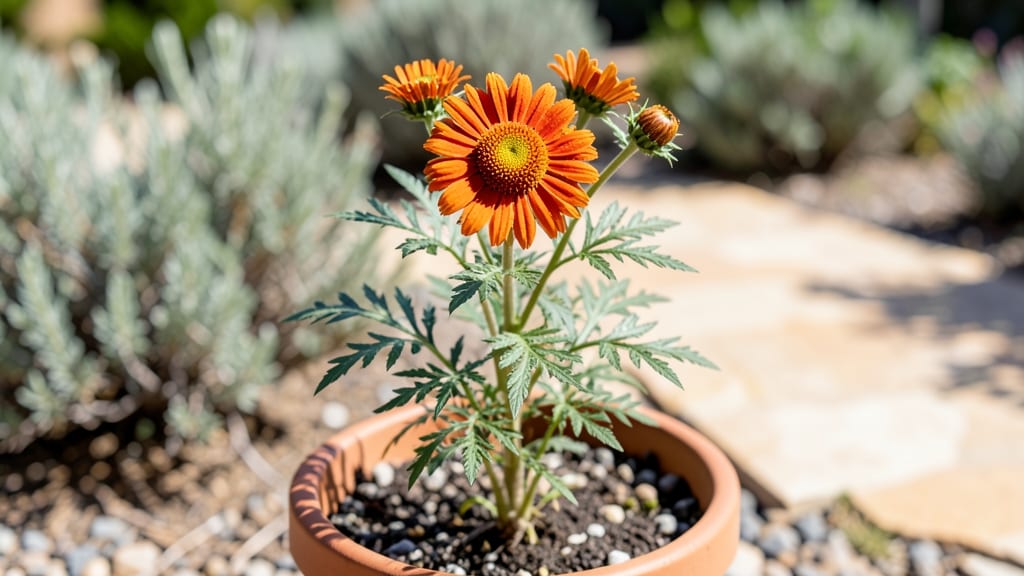
Whether strawflowers are annual or perennial depends entirely on your climate—these plants thrive as perennials in warm zones but are usually treated as annuals in colder regions because their deep roots and woody stems can survive frost only if properly protected.
Strawflowers have a clever survival trick: their thick taproots and woody stems act like nature's storage units, holding energy to regrow after winter. 🌱 In USDA zones 8-11, they naturally return year after year, but in colder areas, gardeners often replant them annually because freezing temperatures can damage the above-ground growth.
The key difference lies in how well you can shield the roots—mulching heavily or moving pots indoors during winter can extend their lifespan even in chilly climates.
What's fascinating is how their growth habit changes based on conditions. In mild winters, you might spot new shoots emerging from the base in early spring, while in harsh freezes, the entire plant may appear dead until warmer weather arrives.
This resilience makes strawflowers a smart choice for gardeners who want long-lasting color with minimal effort—just adjust your care approach based on your local frost patterns.
💡 In This Article
- How Strawflower Root Systems Determine Its Lifespan
- Climate-Based Strawflower Care for Year-Round Growth
How strawflower root systems determine its lifespan
Strawflowers (Helichrysum bracteatum) develop a thick, deep taproot that can extend 2-3 feet into the soil, giving them their perennial nature in warm climates. This root structure stores carbohydrates and nutrients during dormancy, much like a potato's eyes store energy for regrowth.
The taproot's depth also helps anchor the plant against wind and drought, while its woody stems contain vascular bundles that transport stored energy back to new shoots in spring.
In USDA zones 8-11, where winter temperatures rarely drop below 10°F, strawflowers naturally overwinter because their roots remain viable. The woody stems act as a biological battery, converting stored starches into sugars that fuel regrowth.
However, in colder zones (6 or below), frost penetrates deeper, often killing the above-ground stems while leaving the roots intact—but only if they're protected.
Think of it like a hibernating bear: the bear's body (stems) may seem dormant, but its core (roots) stays alive with the right conditions. 🌱
Here's where the magic happens: even if the top growth dies back, the roots can regenerate new stems from the base if temperatures rise above 50°F and moisture returns. This is why you might see strawflowers "come back from the dead" in spring—what appeared dead was just dormant.
The key difference between annual and perennial behavior comes down to how well the roots survive winter stress. In frost-free zones, they thrive year-round; in colder areas, they're often replanted annually because gardeners can't always protect the roots sufficiently.
What most gardeners overlook is the root collar—the swollen area where stems meet roots. This is the plant's lifeline: when mulched with 4-6 inches of organic material (straw or leaves), it insulates against temperature swings that would otherwise kill the plant.
Without this protection, even perennial strawflowers behave like annuals because their energy reserves get depleted trying to regrow in harsh conditions. The root system's ability to regenerate depends entirely on this insulation.
Consider this comparison: a strawflower's root system is like a car battery—it can handle multiple discharge cycles (winters) if properly maintained, but each deep freeze drains its capacity slightly.
In zone 7, you might get 2-3 years of regrowth; in zone 5, it's more likely to die back completely unless you take aggressive protection measures. The plant's survival hinges on whether you can maintain that 50°F root zone temperature during winter.
For visual learners, imagine the root system as a tree trunk with branches (stems) extending outward. The trunk (taproot) stores the majority of the plant's energy, while the branches (stems) are the expendable parts that can regrow if the trunk remains intact.
This is why strawflowers often regenerate from the base rather than from seed—it's a survival strategy that prioritizes root preservation over reproductive growth. 💫