
Vegetables
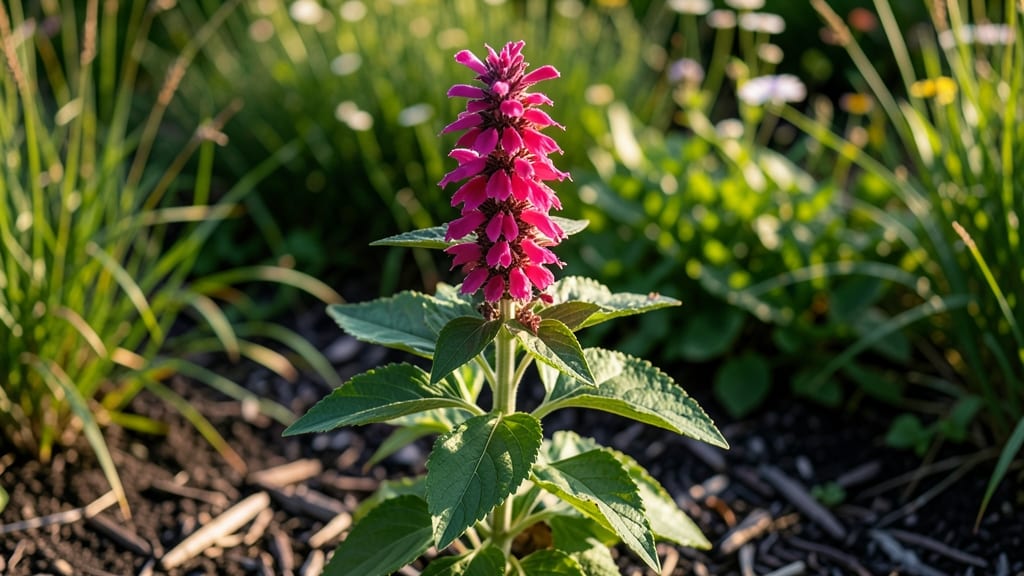
When you see 'per' in 'perennial,' it means 'through' or 'lasting,' referring to plants that survive multiple growing seasons by regenerating from their root systems each year.
This Latin root explains why perennials like lavender or hostas return year after year while annuals like marigolds complete their life cycle in just one season. 🌱 The key difference lies in their underground structures—perennials store energy in roots, tubers, or rhizomes, allowing them to "sleep" through winter and bounce back when conditions improve.
For gardeners, this means less replanting and more consistent blooms over time, though some perennials may need occasional division to maintain vigor.
Understanding this distinction helps you plan your garden layout more efficiently. For example, pairing perennials with annuals creates seasonal interest while reducing maintenance. Many popular garden plants—like peonies, daylilies, and coneflowers—fall into this category, making them ideal choices for low-maintenance landscapes.
💡 In This Article
- The Science Behind Perennial Plant Longevity
- How to Identify Perennial Plants in Your Garden
The science behind perennial plant longevity
The word "per" in perennial comes from the Latin "perennis," meaning "through the year" or "lasting forever." This reflects how perennials survive harsh seasons by evolving specialized underground structures that act like biological batteries.
Unlike annuals, which complete their life cycle in one season, perennials store carbohydrates, nutrients, and water in roots, tubers, or rhizomes during dormancy. These storage organs can remain viable for years, allowing the plant to regenerate above-ground growth when conditions improve.
Take hostas as an example—their thick, fleshy rhizomes store enough energy to support new shoots even after a 10°F winter. Similarly, peonies develop deep, woody roots that can live for decades, while daylilies use their fibrous root systems to regenerate from just a few inches of remaining crown.
This underground resilience explains why perennials often outlive gardeners! The trade-off is that these plants typically grow more slowly than annuals, focusing energy on building their root systems rather than rapid above-ground expansion.
Seasonal adaptation is where perennials truly shine. During winter, many perennials enter a state called dormancy, where metabolic processes slow dramatically to conserve energy. Some, like lavender, even produce protective compounds that prevent frost damage to their essential tissues.
In spring, hormonal signals trigger the stored nutrients to fuel new growth. This cycle is controlled by photoperiod (day length) and temperature cues—similar to how your body adapts to seasonal changes, but on a plant scale!
Comparing perennials to annuals reveals their fundamental difference: annuals prioritize reproduction above all else, while perennials balance growth, storage, and reproduction across multiple years.
For instance, a sunflower (annual) will allocate nearly all its energy to flowering and seeding in one season, while a coneflower (perennial) might produce fewer seeds but maintain its root system for future years. This strategy makes perennials more resilient to environmental stresses like drought or temperature fluctuations.
One fascinating mechanism is how perennials manage water storage. Plants like sedum develop thick, succulent leaves that store moisture, while others like asparagus use their extensive root systems to tap into deep water sources.
This adaptation explains why many perennials thrive in drought-prone regions—once established, they've built a self-sustaining system that annuals simply can't match. 🌱 The result? A garden that requires less watering and maintenance once these plants are mature.
Understanding these biological strategies helps gardeners make smarter plant selections. For example, pairing moisture-loving perennials like asters with drought-tolerant ones like Russian sage creates a balanced ecosystem.
The perennials' ability to regenerate means you'll enjoy their blooms for years with minimal effort—just think of the peonies that bloom reliably for decades with proper care!