
Flowers
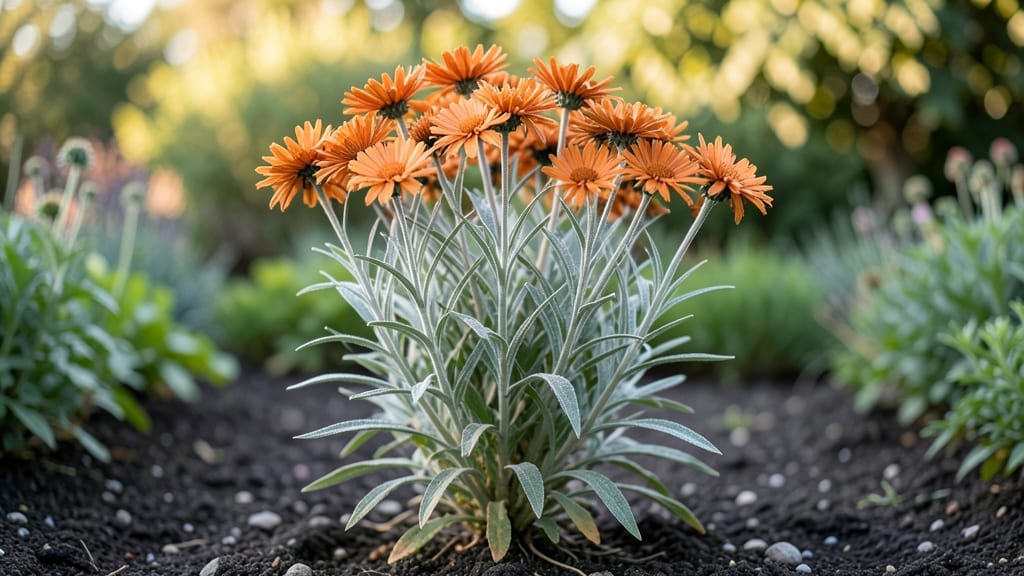
Are straw flowers annual or perennial? They act as annuals in most climates but can function as perennials in frost-free zones, where their woody stems survive winter dieback to regrow from roots each spring. Chilly temperatures force them into dormancy, demonstrating their clever survival strategy.
This behavior comes down to their natural hardiness. Straw flowers (Helichrysum species) store energy in their woody bases during winter months, allowing them to bounce back when conditions improve. 🌱 In colder regions, they typically die back completely each year, while in warmer zones, they may persist for multiple seasons.
The key difference lies in temperature exposure—any frost will trigger their annual cycle, while mild winters let them behave more like perennials.
For gardeners in transitional climates, understanding this adaptability is crucial. With proper care—like mulching around the base or protecting roots from extreme cold—you can sometimes coax them to behave more perennially even in marginal zones.
The secret lies in their resilience: these flowers have evolved to handle harsh conditions while still delivering those cheerful, papery blooms year after year.
💡 In This Article
- Why Straw Flowers Die Back and Regrow Like Perennials
- Gardening Tips to Maximize Straw Flowers’ Longevity
Why straw flowers die back and regrow like perennials
Straw flowers (Helichrysum species) possess a clever survival mechanism rooted in their woody base. Unlike true annuals that complete their lifecycle in one season, these plants store carbohydrates in their stems and roots during dormancy.
This stored energy allows them to regrow from the base when conditions improve. 🌱 In frost-free zones (USDA hardiness zones 8-11), this woody structure can persist for multiple years, making them behave more like perennials.
The transition between annual and perennial behavior hinges on temperature thresholds. Straw flowers initiate dormancy when nighttime temperatures drop below 50°F (10°C) for extended periods. This triggers a hormonal response that causes the above-ground growth to die back while protecting the root system.
The woody base can tolerate brief freezes down to 25°F (-4°C), but prolonged cold below 20°F (-7°C) often kills the crown completely, forcing a true annual cycle.
What makes this adaptation fascinating is how it mirrors other drought-resistant plants like lavender or rosemary. Their survival strategy combines two key elements: energy storage in woody tissues and rapid regrowth from protected meristems (growth points).
In ideal conditions, a single plant can produce multiple flushes of blooms over several years, while in colder climates, it resets annually like a true annual.
This dual behavior explains why gardeners often see straw flowers persist for years in Mediterranean climates but disappear completely in northern gardens after winter. The difference lies in how cold triggers their dormancy cycle.
In mild winters, they simply enter a reduced-growth state, while harsh freezes force a complete reset. 💫 This adaptability makes them excellent candidates for cut flower gardens where you want reliable blooms year after year.
Botanically, this behavior falls into the category of "semi-perennials" or "short-lived perennials." Unlike true perennials with long-lived crowns, straw flowers have a more modest lifespan but can still provide multiple seasons of growth when conditions are favorable.
Their ability to regenerate from the base makes them particularly resilient compared to other annuals that must rely solely on seed propagation.
Consider the Helichrysum italicum variety, which commonly behaves as a perennial in coastal California gardens. Gardeners report seeing the same plants produce blooms for 3-5 years before eventually declining. This longevity contrasts sharply with their behavior in New England, where they typically die back completely each winter.
The difference comes down to 100 fewer frost days per year—a seemingly small detail that dramatically alters their growth pattern.
Understanding this mechanism helps explain why straw flowers often self-seed prolifically in annual beds. Even when the parent plant dies back, the seeds can germinate and continue the cycle, creating the illusion of perennial behavior through seed propagation.
This dual strategy—both vegetative regrowth and seed production—maximizes their chances of survival across varying climates. 🌿