
Flowers
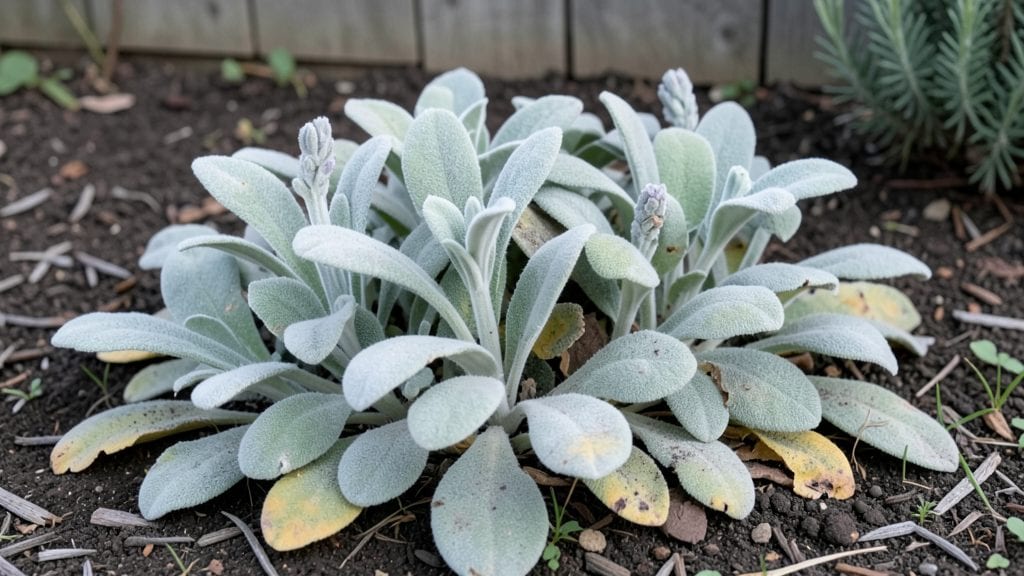
The Storm Cloud Perennial (Sedum 'Storm Cloud') 🌿 thrives in tough conditions, bringing vibrant color and low-maintenance beauty to gardens in Zone 6 and beyond.
Imagine a garden that thrives even when winter storms roll in—where cold-hardy perennials like this striking Sedum not only survive but multiply effortlessly year after year. These plants are the backbone of resilient landscapes, offering bold foliage and minimal maintenance.
Unlike finicky annuals, Storm Cloud Perennial thrives on neglect, making it perfect for busy gardeners or those new to planting. Its deep blue-green leaves add texture and contrast, while its drought-tolerant nature means less watering and more time enjoying your outdoor space.
In this guide, you’ll learn how to plant, care for, and encourage this hardy perennial to spread naturally—so you can enjoy its beauty with almost no effort. Let’s get started!
Top 5 cold-hardy Storm Cloud perennials that spread naturally
When winter storms threaten your garden, these cold-hardy perennials stand tall, thriving in USDA Zones 3-7 while spreading effortlessly through rhizomes or runners. Unlike high-maintenance annuals, these plants multiply naturally, creating lush ground cover with minimal effort. Their bold foliage and adaptability make them perfect for resilient landscapes.
These Storm Cloud-type perennials are designed to outlast harsh conditions. Whether you're a seasoned gardener or just starting, these five varieties will transform your garden into a low-maintenance oasis that flourishes year after year. Let’s explore their unique traits and how they spread naturally.
| Plant Name | Spreads Via | USDA Zones | Sunlight Needs | Soil Preference |
|---|---|---|---|---|
| Heuchera 'Storm Cloud' | Rhizomes | 3-9 | Partial shade to full sun | Well-draining, moist |
| Bergenia 'Storm Cloud' | Runners | 3-8 | Partial shade to full sun | Rich, moist soil |
| Astilbe 'Storm Cloud' | Clump-forming | 4-8 | Partial shade | Moist, humus-rich |
| Sedum 'Storm Cloud' | Stolons | 3-9 | Full sun | Well-draining, rocky |
| Hosta 'Storm Cloud' | Rhizomes | 3-8 | Partial shade | Moist, organic |
Heuchera 'Storm Cloud' is a standout with its deep purple-black foliage that contrasts beautifully with silver-blue flowers. This rhizomatous spreader thrives in partial shade and tolerates dry spells once established. To encourage spreading, divide clumps every 3-4 years in early spring, ensuring each section has healthy roots.
For Bergenia 'Storm Cloud', expect leathery, evergreen leaves that stay vibrant even under snow. This runner-spreading perennial thrives in moist, rich soil and spreads aggressively, making it ideal for ground cover. Pinch back dead leaves in early spring to encourage fresh growth and prevent overcrowding.
Astilbe 'Storm Cloud' offers feathery plumes in shades of pink or white, perfect for adding texture to shady areas. While it doesn’t spread as aggressively, dividing mature clumps every 4-5 years will keep it healthy. Plant in moist, humus-rich soil to ensure vibrant blooms.
Sedum 'Storm Cloud' is a succulent-like perennial that thrives in full sun and well-draining soil. Its stoloniferous spread makes it
How to encourage Storm Cloud perennials to multiply in your garden
If you’ve ever dreamed of a garden that expands almost on its own, Storm Cloud Perennial (Sedum 'Storm Cloud') is your answer. This hardy succulent-like plant thrives in Zone 6 and beyond, spreading naturally through rhizomes and stolons.
The key to encouraging its multiplication lies in understanding its natural growth habits and providing the right conditions.
Unlike annuals that need replanting every year, Storm Cloud Perennials reward patience with lush, drought-resistant foliage that fills in gaps effortlessly. But to see real expansion, you’ll need to focus on soil health, pruning strategies, and seasonal care.
Let’s dive into the steps that’ll transform your garden into a thriving Storm Cloud haven.
Step-by-Step Guide to Encourage Spread
-
Divide Established Clumps
In early spring or fall, carefully dig up mature clumps and separate them into 3-5 inch sections, ensuring each has roots and foliage. Replant immediately in well-draining soil.
-
Prune Strategically
Trim dead or leggy stems in late winter to encourage new growth. Avoid cutting back more than 1/3 of the plant at once to prevent stress.
-
Fertilize Lightly
Use a balanced 5-10-10 fertilizer in early spring and summer, applying just 1 tbsp per plant. Over-fertilizing leads to weak growth and fewer stolons.
-
Water Deeply but Infrequently
Water deeply once a week in spring/summer, allowing soil to dry between waterings. Drought stress actually encourages stolon production.
-
Avoid Overcrowding
Plant 12-18 inches apart to allow room for spread. Crowded plants compete for nutrients and sunlight, slowing multiplication.
One of the biggest mistakes gardeners make is overwatering or using poor-draining soil. Storm Cloud Perennials hate soggy roots, which can lead to rot and stunted growth. Amend heavy clay soil with compost or sand to improve drainage and create the ideal environment for natural spread.
For best results, mulch around the base with gravel or straw to retain moisture while preventing soil compaction. This simple step encourages root expansion and stolon development, leading to more new plants over time. With these techniques, your Storm Cloud Perennial will multiply beautifully year after year.
Ready to watch your garden fill with vibrant Storm Cloud Perennials? Start with just a few plants, follow these steps, and soon you’ll have a self-sustaining display that requires minimal effort. Happy gardening! 🌱