
Plants
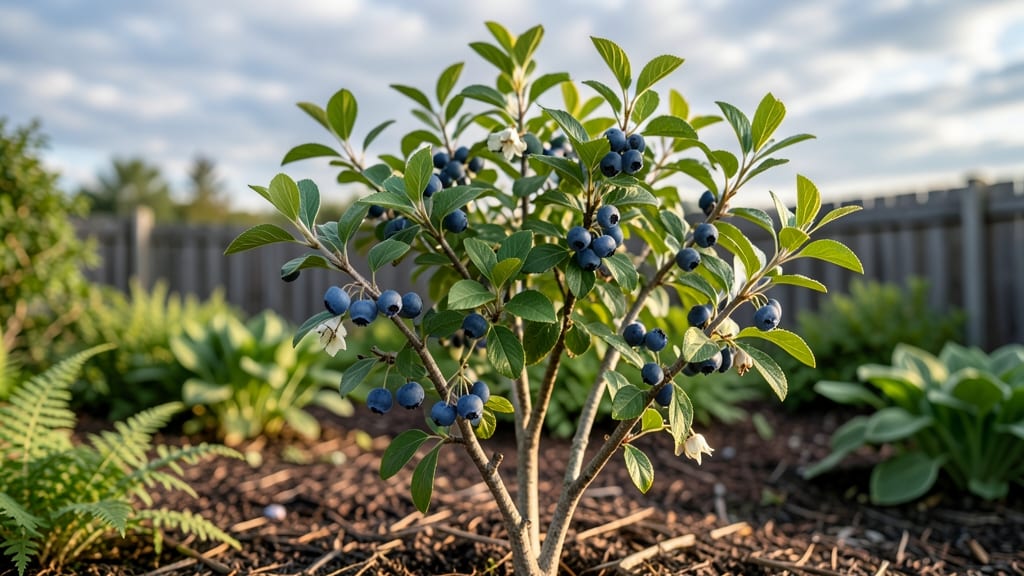
Blueberry bushes are indeed perennial plants that regrow each spring, even if they appear to die back completely during winter in colder regions. Their hardy root systems survive underground, allowing them to sprout fresh foliage and fruit annually with proper care.
This winter dormancy is actually a survival strategy—blueberries enter a state of rest when temperatures drop, conserving energy until spring. 🌱 The key difference between true annuals and perennials is that blueberries store nutrients in their roots, which kickstart regrowth when conditions improve.
In my experience, the most cold-hardy varieties like 'Patriot' or 'Northblue' can withstand -30°F winters, while others may need winter protection in zones below 5. What's fascinating is how quickly they bounce back: with just a few weeks of warmth, you'll see new shoots pushing through the soil.
Proper care makes all the difference in maintaining their perennial nature. I've found that late-winter pruning (right before buds swell) removes dead wood while encouraging strong new growth, and mulching with wood chips helps regulate soil temperature.
The real secret to long-term success? Consistent moisture—blueberries hate soggy roots but need steady watering during fruit development. With these practices, my bushes have produced harvests for over 15 years without replanting.
💡 In This Article
- Why Blueberry Bushes Appear to Die Back Each Winter
- How to Care for Perennial Blueberry Bushes Year-Round
Why blueberry bushes appear to die back each winter
Blueberry bushes enter a natural state called dormancy during winter, where their above-ground growth slows dramatically to conserve energy. This isn't death—it's a survival mechanism triggered by shorter daylight and dropping temperatures. The plant's roots remain active underground, storing carbohydrates produced during the growing season.
What looks like dead branches is actually a protective response: the plant sheds leaves and stems to minimize water loss and damage from freezing temperatures.
The degree of winter dieback varies by variety and climate zone. In colder regions (zones 4-6), hardy varieties like 'Jersey' or 'Bluecrop' may lose 50-70% of their top growth, while tender varieties in warmer zones (7+) might only experience mild dormancy.
The key difference from annual plants is that blueberries store nutrients in their crown and root system, which can survive -10°F to -30°F depending on the cultivar. This root system acts like a biological battery, ready to fuel new growth when temperatures rise above 40°F.
What's fascinating is how quickly blueberries rebound. Within 2-4 weeks of spring thaw, you'll see new shoots emerging from the crown—proof the plant was never truly dead. The speed of regrowth depends on soil temperature: roots need to reach 50°F before significant growth occurs.
This explains why late frosts can damage emerging buds—new shoots are more vulnerable than established stems. The plant's ability to regenerate from its root crown is what classifies it as a true perennial, unlike annuals that must be replanted each year.
Cold hardiness varies significantly between varieties. Northern highbush types like 'Northsky' can handle -30°F winters, while southern highbush varieties top out at -10°F. Even within the same species, grafting techniques affect cold tolerance—the rootstock often determines how well a plant survives winter.
This genetic variation is why gardeners in transitional zones (like zone 6) sometimes struggle: some years they get full winterkill, while others see minimal dieback. The solution? Choosing varieties bred for your specific climate zone.
There's a common misconception that winter dieback means the plant is dying. In reality, it's a normal part of the blueberry's life cycle—similar to how deciduous trees lose their leaves annually. The plant sheds old growth to make room for new, more productive stems.
What makes blueberries unique is their ability to produce fruit on both old and new wood: last year's stems bear this year's crop, while new growth will fruit next season. This dual fruiting strategy ensures consistent harvests even after heavy pruning.
One visual clue that helps distinguish between true dieback and plant death is the color of the stems. Healthy dormant stems appear grayish-brown, while dead wood turns black or shriveled. Another telltale sign is the presence of bud scales on the stems—these protective layers indicate the plant is still alive.
When spring arrives, watch for these buds to swell and break open, signaling the plant's readiness to grow. This biological process is what allows blueberry bushes to live for 30-50 years with proper care.
The science behind this dormancy involves complex hormonal changes. As days shorten, the plant increases production of abscisic acid (a growth-inhibiting hormone) while reducing growth-promoting hormones like gibberellins. This hormonal shift triggers leaf drop and stem hardening.
Simultaneously, the plant redirects energy to its roots, where it stores starches and sugars. When temperatures rise in spring, the plant converts these stored nutrients back into growth hormones, restarting the cycle. 🌱