
Flowers
Best perennial plants for compact spaces and season-long interest
Creating a stunning small perennial garden starts with selecting the right plants—those that deliver year-round interest while respecting limited square footage. The key is choosing compact perennials that offer height variety, seasonal blooms, and low-maintenance care.
These plants thrive in tight spaces, providing color from spring through fall without overwhelming your layout.
My top picks focus on dwarf varieties, foliage plants, and grasses that add texture and movement. Many of these perennials also boast drought tolerance and pest resistance, making them ideal for busy gardeners.
Below, I’ve curated a list of 10 standout perennials that will transform even the smallest garden into a lush, dynamic oasis.
| Plant | Height | Sunlight | Bloom Time | Key Features |
|---|---|---|---|---|
| Hosta 'Blue Angel' | 12-18" | Partial Shade | Summer | Deep blue foliage, shade-tolerant |
| Sedum 'Autumn Joy' | 18-24" | Full Sun | Late Summer-Fall | Drought-resistant, long-lasting blooms |
| Heuchera 'Palace Purple' | 12-15" | Partial Shade | Spring | Striking purple foliage, evergreen |
| Ornamental Grass 'Little Spruce' | 10-12" | Full Sun-Partial Shade | Summer-Fall | Compact, blue-green clumps, year-round interest |
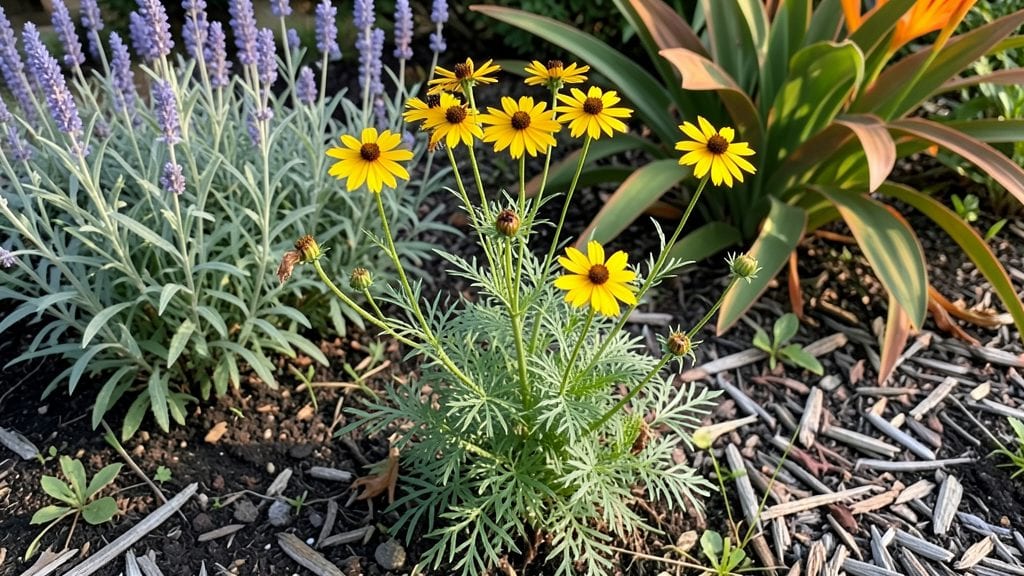
| Coreopsis 'Moonbeam' | 18-24" | Full Sun | Summer-Fall | Cheerful yellow blooms, deer-resistant |
| Salvia 'May Night' | 20-24" | Full Sun | Summer | Deep purple spikes, attracts pollinators |
| Lamium 'White Nancy' | 12-18" | Partial Shade | Spring-Fall | Silver foliage, long bloom season |
| Russian Sage 'Blue Spire' | 36-48" | Full Sun | Summer-Fall | Air-purifying, drought-tolerant, vertical interest |
| Catmint 'Walker's Low' | 18-24" | Full Sun |
Layered layout strategies to maximize small garden beautyCreating a small perennial garden that feels lush and layered isn’t about space—it’s about strategy. By using vertical elements, ground covers, and tiered planting, you can transform even a 4x4-foot plot into a dynamic, year-round display. The key is combining plants with varying heights, textures, and bloom cycles to ensure every season brings fresh interest. Think of your garden like a living bookshelf, where each plant plays a role in creating depth. Tall perennials like canna lilies or Russian sage reach for the sky, while mid-height shrubs like heuchera or dwarf ninebark fill the middle layer. Low-growing ground covers, such as creeping thyme or ajuga, weave together at the base, tying the design into a cohesive whole.
To keep your small perennial garden thriving year-round, plan for sequential blooms. Pair early spring bloomers like bleeding heart with late summer sedum and fall asters to ensure color never fades. Add ornamental grasses like maiden grass or feather reed grass for winter interest and movement. Don’t overlook texture—mix fuzzy lamb’s ear with smooth hostas or pair spiky yucca with soft ferns to create visual contrast. A 3-inch rule works well: leave at least 3 inches of space between plants to prevent overcrowding and allow airflow, reducing disease risk. Finally, incorporate seasonal maintenance into your plan. Prune dead foliage in early spring, divide overcrowded perennials every 3-4 years, and mulch annually to retain moisture and regulate soil temperature. With these layered strategies, your small garden will feel expansive, intentional, and full of life year after year. 🌷 |