
Plants
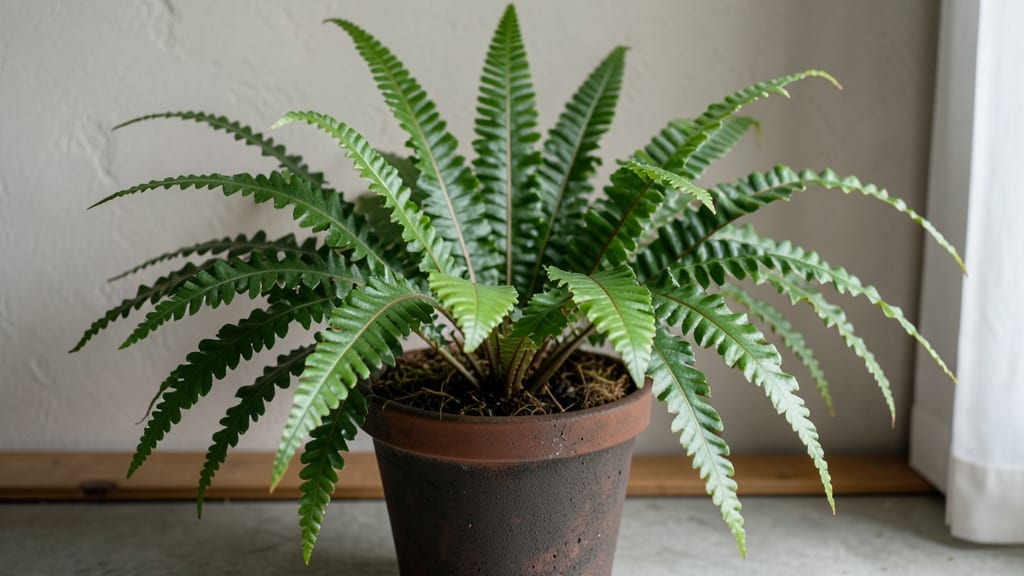
Kimberly Queen ferns are perennials that thrive year-round in USDA zones 5-9, returning reliably after winter dormancy if sheltered from extreme cold or frost. Their hardy rhizomes allow regrowth when conditions improve, making them ideal for gardeners in moderate climates.
Yes, Kimberly Queen ferns absolutely qualify as perennials, thanks to their remarkable ability to rebound after winter. 🌿 Their underground rhizomes act like natural energy reserves, storing nutrients to fuel new growth when spring arrives.
Unlike annuals that die back completely, these ferns enter a dormant state but keep their root systems intact, ready to push fresh fronds once temperatures rise. This makes them far more forgiving than many other garden plants when it comes to seasonal changes.
What sets them apart is their adaptability—while they prefer consistent moisture, they can handle brief dry spells better than most ferns. Their cold tolerance extends beyond just survival; with proper winter care like mulching or light frost protection, they often emerge even more vigorous than before.
This hardiness is why landscape designers frequently recommend them for shady garden corners where other plants might struggle.
💡 In This Article
- Kimberly Queen Fern Cold Hardiness Zones Explained
- Winter Care Tips for Kimberly Queen Ferns
Kimberly Queen fern cold hardiness zones explained
The Kimberly Queen fern's perennial nature hinges on its ability to withstand cold temperatures through specialized underground structures. These ferns thrive in USDA zones 5-9 because their thick, woody rhizomes store carbohydrates and moisture, acting like a natural survival kit.
When temperatures drop below 20°F, the fronds die back, but the rhizome remains dormant and protected, ready to regenerate when conditions improve. This process is similar to how daylilies survive winter—both plants rely on underground storage organs to persist through harsh seasons.
The key difference between zones lies in how extreme the winter gets. In zone 5 (-20°F to -10°F), Kimberly Queens need additional protection like mulch or burlap wraps, while zone 9 (20°F to 30°F) winters are mild enough for minimal intervention.
The rhizomes' depth matters too—most grow 6-12 inches below soil, where ground temperatures stay more stable. This depth helps them avoid freeze-thaw cycles that could damage shallow roots, a common issue with less hardy perennials.
What's fascinating is how these ferns adapt their growth cycle. In colder zones, they enter dormancy earlier in fall, while in warmer zones, they might keep growing until a late frost. The 28-32°F range is critical—below this, cell damage begins, but the rhizome's protective layers prevent complete death.
This is why you'll often see them resprouting within 2-4 weeks of spring thaw, even after seemingly harsh winters. Their resilience makes them far more reliable than many other ferns, which often die back completely in zone 5 winters.
For gardeners pushing the limits in zone 5, the difference between survival and failure often comes down to soil preparation. Amending the planting area with 3-4 inches of organic matter before winter creates better insulation.
The rhizomes also benefit from slightly acidic soil (pH 5.5-6.5), which enhances their cold tolerance. Without these precautions, even zone 6 plants (0°F to 10°F) might struggle during prolonged sub-zero spells.
Here's what actually happens during dormancy: The rhizome's meristem cells (growth centers) become inactive but remain viable, surrounded by protective layers. When spring arrives, these cells receive signals from warming soil and increasing daylight, triggering hormone production that kickstarts new frond growth.
This biological process is why you can sometimes see fresh growth emerging through snow melt—nature's built-in survival mechanism at work.
Consider this comparison: While annual ferns like Boston ferns die completely each winter, Kimberly Queens return with 30-50% more vigor each year due to their perennial growth habit. Their ability to regenerate from the same rhizome for decades is what makes them such a reliable garden staple.
This longevity is why landscape professionals often recommend them for foundation plantings—they provide year-round interest with minimal maintenance.
The bottom line is that Kimberly Queen ferns aren't just surviving winter—they're strategically preparing for it. Their cold hardiness isn't passive; it's an active biological process that makes them one of the most dependable perennials for gardeners in transitional climates. 💫