
Advice
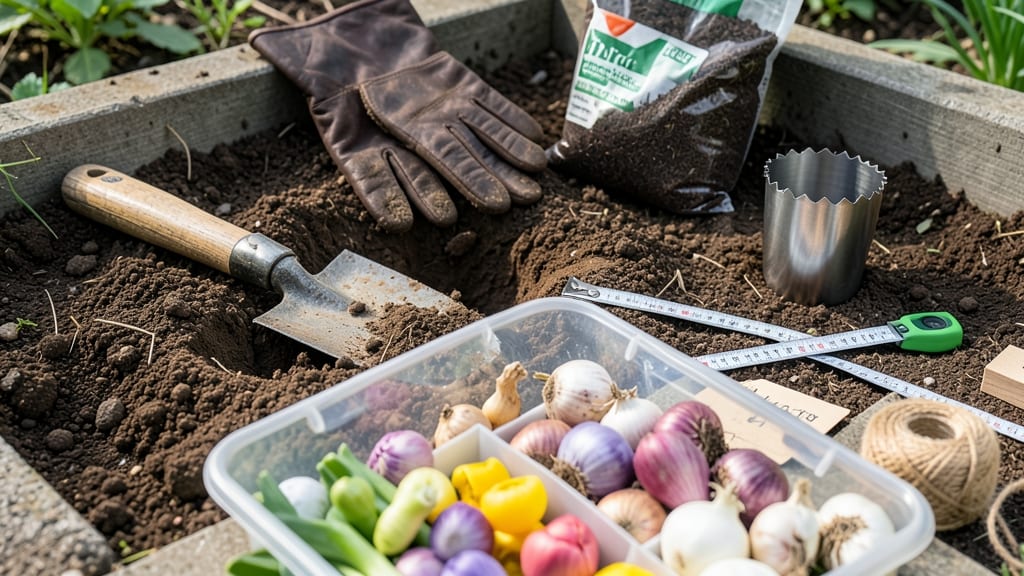
Purchasing bulk perennial bulbs is a smart move for gardeners who want to maximize color and minimize replanting work. These hardy plants like daffodils, tulips, alliums, and daylilies return year after year, delivering seasonal blooms with almost no upkeep. Proper storage before planting ensures they establish strong roots for long-term success.
Bulk purchases let you create stunning garden displays without breaking the bank. 🌸 Many perennial bulbs actually multiply underground each year, giving you free plants for future seasons. I’ve seen daffodil clumps triple in size over three years—once established, they’re nearly self-sufficient.
The key is choosing varieties suited to your climate zone, as some like crocuses thrive in cold winters while others prefer milder conditions. This approach transforms your garden into a low-maintenance color show that keeps coming back.
For best results, store bulbs in a cool, dry place with good airflow before planting. A mesh bag or cardboard box works perfectly—just avoid plastic containers that trap moisture.
When planting, aim for 6-8 inches deep in well-draining soil, and consider adding a 2-inch layer of compost to boost early growth. The payoff? Fewer purchases over time and a garden that looks intentionally designed with minimal effort.
💡 In This Article
- Why Perennial Bulbs Thrive in Bulk Purchases
- Top Bulk Perennial Bulb Varieties by Season and Climate
Why perennial bulbs thrive in bulk purchases
The real magic of buying perennial bulbs in bulk lies in their natural reproduction cycle. Unlike annuals that complete their life cycle in one season, perennials like daffodils and alliums develop underground networks of rhizomes and offsets. Each year, these bulbs produce 1-3 new growth points, creating larger clumps.
For example, a single daffodil bulb can multiply into 5-10 bulbs over 3 years—turning your initial purchase into a self-sustaining garden feature. This biological process is called vegetative propagation, where the plant clones itself through underground stems.
This multiplication explains why bulk purchases create long-term value. While you might pay $20 for 50 tulip bulbs initially, those bulbs could produce 150-200 new bulbs over 5 years. The cost per bulb drops from $0.40 each to nearly $0.05 after establishment.
Soil health plays a crucial role here—bulbs need well-draining soil with pH 6.0-7.0 and 6-8 hours of sunlight daily to maximize this reproduction. The deeper the planting (6-12 inches depending on bulb size), the more stable the root system becomes, protecting it from temperature fluctuations.
Seasonal bloom cycles make bulk purchases even more rewarding. Many perennials have staggered flowering periods, creating continuous color. For instance, crocuses bloom in early spring, followed by tulips in late spring, then daylilies in summer, and finally sedums in fall. This sequential display means your garden never looks bare.
The key is selecting varieties with complementary bloom times—like pairing early-blooming Tête-à-Tête daffodils (which multiply aggressively) with late-season Purple Sensation lilies for extended interest. This strategy transforms your garden into a low-maintenance, ever-changing canvas.
Bulk purchases also allow you to experiment with different varieties without financial risk. You can plant 100 allium bulbs for $15 and discover which ones thrive in your microclimate. Some gardeners divide their bulbs every 3-4 years to refresh growth, but many prefer letting them multiply naturally.
The trade-off? Larger clumps may require more dividing to maintain bloom quality, but the trade-off is worth it for the reduced replanting costs over decades. This is why master gardeners often say bulbs are the "set it and forget it" plants of the garden world.
What most people don't realize is how bulbs store energy underground. During summer dormancy, they convert sunlight into starches stored in their scales—this energy fuels next year's blooms. When you plant bulbs in bulk, you're essentially creating a network of these energy reservoirs.
For example, a single 10-inch diameter daylily clump can produce 50-100 blooms per season after establishment. This biological efficiency means your initial bulk purchase continues paying dividends year after year, with minimal additional input. The result? A garden that becomes more beautiful—and more self-sufficient—with each passing season.
Consider this: A $50 bulk purchase of 200 tulip bulbs might yield 600-800 blooms in the first season, but those same bulbs could produce 2,000+ blooms in their fifth year.
The math becomes even more compelling when you factor in reduced watering needs (established bulbs need 1 inch of water per week once rooted) and zero fertilizer requirements for the first two years.
This is why many gardeners refer to perennial bulbs as "the lazy gardener's secret weapon"—they deliver maximum impact with minimum effort after the initial planting.