
Plants
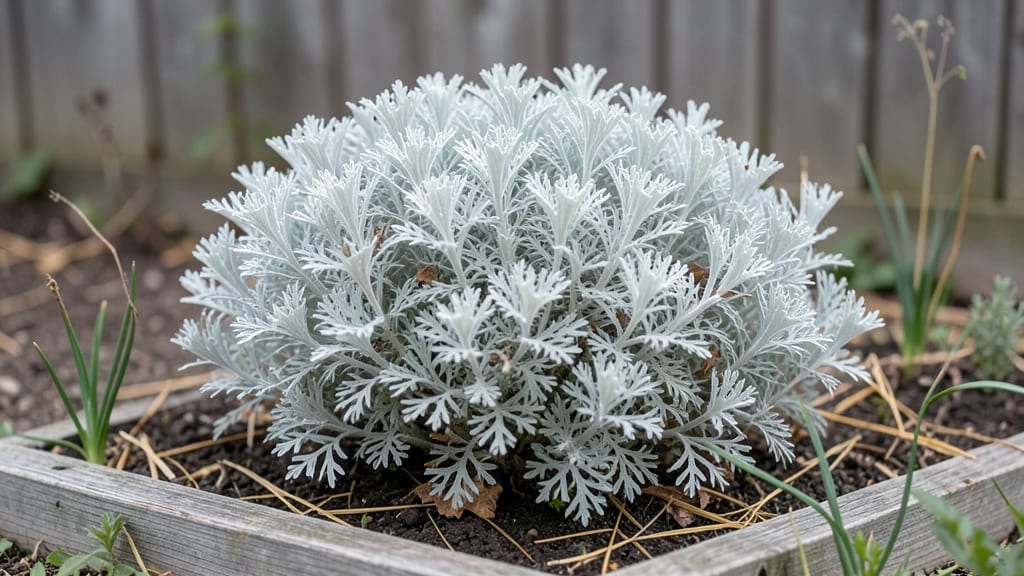
Growing a Silver Mound perennial plant 🌿 means adding a silvery, drought-proof star to your garden that thrives on neglect.
If you're dreaming of a low-maintenance, drought-tolerant garden with year-round silver foliage, the Silver Mound perennial could be your game-changer—but only if you plant it right. This hardy Artemisia spreads fast and handles poor soil, making it perfect for borders or slopes where other plants struggle.
In USDA Zone 6a, spring is the best time to plant it—April or May—so it establishes roots before summer heat. With just full sun and occasional watering, it rewards you with lush, silvery-green mounds that look stunning against deep blues or purples.
Below, I’ll walk you through the fastest way to get it thriving, from soil prep to pruning tips that keep it looking its best all season.
Why Silver Mound perennial plants are perfect for fast-spreading ground cover
The Silver Mound Artemisia isn't just another ground cover—it's a drought-resistant powerhouse that spreads quickly while demanding almost no care. Its silver-gray foliage creates stunning visual contrast against darker plants, making it a favorite for modern garden designs.
Unlike traditional ground covers like creeping thyme, this perennial thrives in poor, rocky soils and handles heat waves without wilting.
What makes it truly exceptional is its year-round interest. While many ground covers go dormant in winter, Silver Mound maintains its silvery hue even under snow. This makes it ideal for USDA zones 3-9, from cold northern climates to hot southern regions.
Its ability to suppress weeds naturally while requiring minimal watering is a game-changer for busy gardeners.
🌿
The silver foliage of Silver Mound Artemisia acts like a natural mulch, reducing evaporation and keeping soil temperatures stable. This is especially useful in rock gardens or slope stabilization projects where traditional mulch would wash away.
Unlike creeping thyme, which can become invasive and requires frequent trimming, Silver Mound spreads at a controlled rate while maintaining its compact mound shape.
One of its biggest advantages is its versatility in design. Pair it with purple coneflowers for a striking color contrast, or use it as a living mulch around roses to suppress weeds without chemicals.
In containers, it creates a silver cascading effect that brightens patios and balconies. Even in winter, when most gardens look brown and tired, Silver Mound keeps its silvery sheen.
For gardeners in hot, dry climates, this plant is a lifesaver. It outperforms traditional ground covers by using 50% less water while still thriving. In cooler regions, its cold hardiness means you won't need to dig it up every winter.
The only time it needs attention is when it outgrows its space, but even then, a simple trim keeps it in check.
If you're tired of ground covers that demand constant watering or turn brown in winter, Silver Mound Artemisia is the ultimate low-maintenance solution. Its ability to thrive in tough conditions while adding year-round visual interest makes it a standout choice for both beginner and experienced gardeners alike.
🪴
Step-by-step planting and care guide for Silver Mound perennials
The Silver Mound perennial (Artemisia 'Silver Mound') thrives in challenging soils—whether sandy, rocky, or even poor-quality earth—making it perfect for low-maintenance gardens. Its silvery foliage adds texture year-round, but proper planting and care ensure it stays lush and pest-resistant.
Unlike fussy ground covers, this plant spreads naturally while requiring minimal intervention once established.
One of my favorite aspects of Silver Mound is its drought tolerance, but this doesn’t mean you can neglect it entirely. Overwatering or planting it in shady spots will lead to leggy growth or dieback.
Follow these steps to create ideal conditions for a thriving, fast-spreading ground cover that outshines traditional options like creeping thyme.
How to Plant and Care for Silver Mound Perennials
-
Step 1: Choose the Right Location
Select a full-sun spot (6+ hours daily) with well-draining soil. Avoid low-lying areas where water pools, as this plant hates soggy roots. Rocky or sandy soils are ideal—amend heavy clay with gravel or compost if needed. -
Step 2: Prepare the Soil
Loosen the soil to a depth of 12 inches and mix in coarse sand or perlite for sandy soils. For rocky areas, add organic matter like compost to improve moisture retention slightly. A pH of 6.0–7.5 is perfect—test your soil if unsure. -
Step 3: Plant with Proper Spacing
Dig holes twice as wide as the root ball but only as deep. Space plants 12–18 inches apart to allow for natural spreading. If using as a slope stabilizer, stagger plants in rows for a dense, erosion-resistant mat. -
Step 4: Water Deeply but Infrequently
After planting, water deeply once a week for the first month to encourage root growth. Once established, reduce to every 2–3 weeks—this plant stores water in its leaves. Morning watering prevents fungal issues, and mulch lightly to retain moisture. -
Step 5: Prune for Shape and Health
Cut back brown or leggy stems in early spring to encourage new growth. Avoid heavy pruning—this plant thrives on its natural mounding shape. If it spreads too aggressively, trim edges with clean shears to maintain borders. -
Step 6: Fertilize Lightly in Spring
Apply a balanced fertilizer (5-10-5) in early spring, using just 1 tablespoon per plant. Skip fertilization in summer—this plant is low-maintenance and doesn’t need extra nutrients once established. -
Step 7: Protect in Winter
In USDA Zones 3–5, mulch heavily with straw or leaves to insulate roots. In colder climates, a light frost cloth can prevent dieback. Avoid pruning until early spring—wait until new growth appears.
Common mistakes like overwatering or planting in partial shade can turn your Silver Mound into a sad, sprawling mess. I’ve seen gardeners struggle when they treat it like a thirsty annual—remember, this plant is a drought survivor.
With the right care, it’ll reward you with silver foliage that glows year-round and spreads effortlessly.
For extra drama, pair it with purple coneflowers or black-eyed Susans—the color contrast is stunning. And if you’re using it on a slope? The roots will bind soil naturally, reducing erosion while adding beauty. Just avoid planting near water features or in areas prone to flooding.
Once established, Silver Mound is nearly indestructible. Follow these steps, and you’ll have a low-maintenance, fast-spreading ground cover that outshines traditional options. Happy gardening! 🌿