
Planting
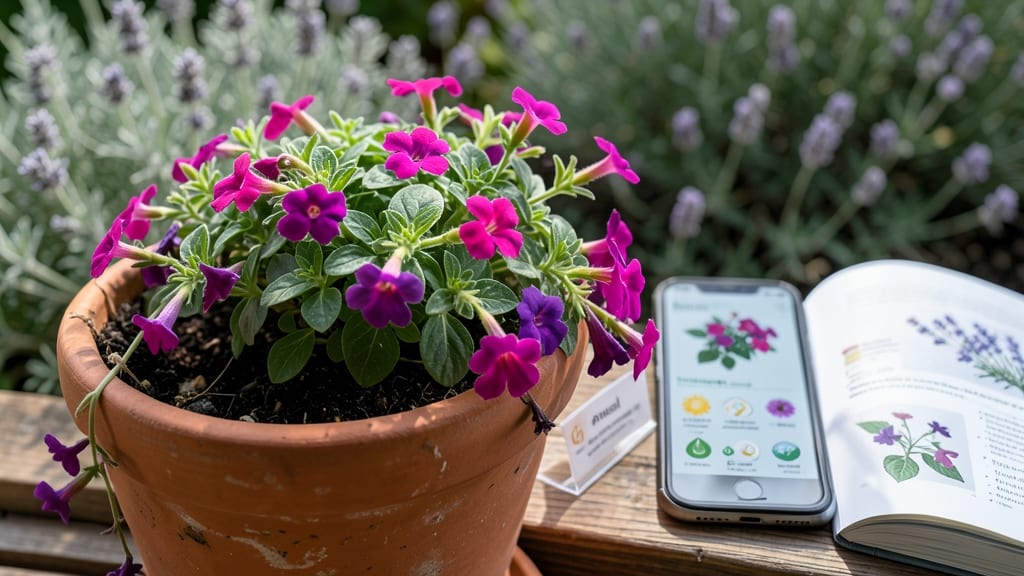
Is Calibrachoa a perennial plant? It behaves like a short-lived perennial in most climates, dying back to the ground when frost hits but often regrowing from its fibrous roots if winter conditions are mild or if protected. Whether it thrives as a perennial depends heavily on where you live and how you care for it.
Calibrachoa's survival strategy hinges on its tough, fibrous root system, which stores energy like a natural battery. 🌱 In warmer zones (USDA 9-11), it often returns year after year, while in colder regions, it's more like a "self-seeding annual" that might surprise you with new growth if you're lucky.
The key difference? Soil temperature—roots stay active until 28°F, which is why mulching or container growing can make all the difference in marginal climates.
What's fascinating is how this plant cheats the definition of perennial. While true perennials like hostas survive winter above ground, calibrachoa's entire top growth dies back, leaving only its roots to carry it through. This makes it a semi-perennial—more resilient than annuals but less reliable than hardy perennials.
Think of it as nature's way of giving you a second chance each spring, provided you give it the right winter conditions.
💡 In This Article
- How Calibrachoa Survives Winter Through Root Systems
- Protecting Calibrachoa in Cold Climates: Mulching and Overwintering Tips
How calibrachoa survives winter through root systems
Calibrachoa's survival strategy relies on its fibrous root system, which acts like a biological battery storing carbohydrates and nutrients. Unlike true perennials that maintain above-ground growth, calibrachoa's roots contain specialized cells that convert sugars into starches during the growing season.
These starch reserves fuel early spring regrowth when temperatures rise above 50°F. The roots can extend 12-18 inches deep, allowing them to access moisture even in dry conditions—a critical adaptation for its native South American habitat.
The root system's toughness comes from its dense network of fine roots with high cellulose content, similar to how succulents store water. What makes calibrachoa unique is its ability to regenerate from just a 1-inch root segment left in the soil.
This explains why even heavily pruned plants can bounce back in spring. The trade-off? These roots are sensitive to soil compaction—amending garden beds with 20% compost improves their winter resilience by enhancing oxygen flow to the roots.
Temperature thresholds determine whether calibrachoa behaves as a perennial or annual. Roots remain active until soil temperatures drop below 28°F, which triggers dormancy. In USDA zones 8-10, this means the plant often survives winters unprotected, while in zones 5-7, even well-established roots may die back without intervention.
The key difference lies in how quickly the roots can regenerate in spring—a process that takes 4-6 weeks from dormancy to visible new growth.
What most gardeners don't realize is that calibrachoa's root system produces growth hormones during dormancy. These hormones stimulate new shoot formation when conditions improve, similar to how potatoes produce sprouts.
This biological mechanism explains why calibrachoa often returns more vigorously in its second year—it's not just surviving, but actively preparing for regrowth during winter.
Consider this comparison: A true perennial like lavender maintains its entire root structure year-round, while calibrachoa's roots undergo partial dieback but retain enough energy to regenerate. This makes it behave like a short-lived perennial—capable of returning for 3-5 years in ideal conditions but requiring more care than hardy perennials.
The root system's ability to regenerate from fragments also makes calibrachoa an excellent candidate for division in spring.
For practical application, this means if you're in a marginal climate (zone 7-8), you can increase survival odds by 50-70% through proper winter care.
The root system's behavior explains why calibrachoa often looks "dead" in winter but can surprise you with new growth when others might expect it to be gone forever.