
Flowers
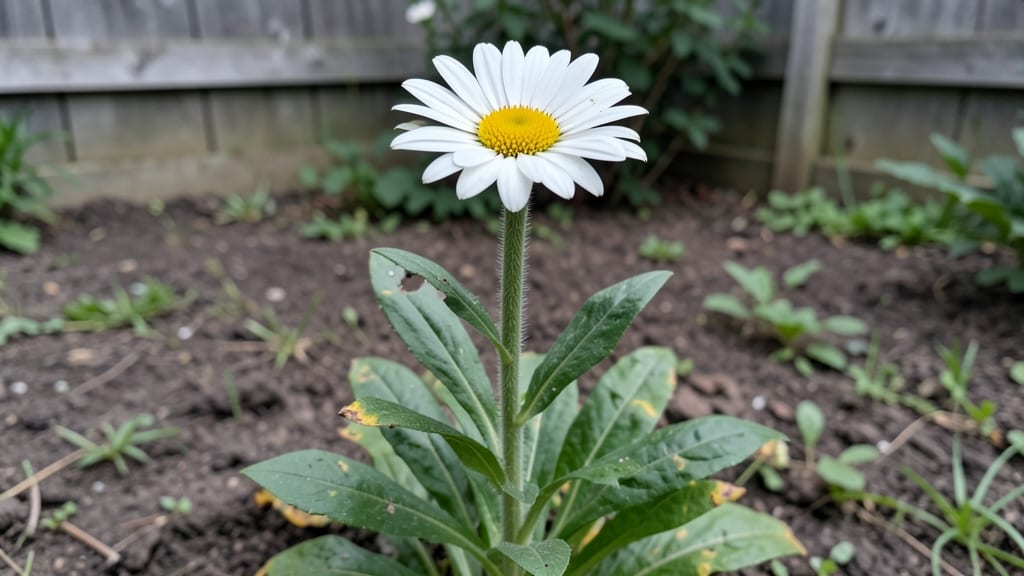
Shasta daisies are perennial plants in USDA zones 5–8 but may act as annuals in colder or warmer climates where frost or extreme heat kills them. Proper winter mulching and summer shade can extend their lifespan beyond one season in marginal zones.
Whether your Shasta daisies return year after year depends entirely on your local climate. In ideal conditions—like zones 5 through 8—they'll thrive as perennials, blooming reliably for years. 🌸 But outside those ranges, even the hardiest varieties face challenges: freezing winters or scorching summers can devastate their root systems.
I've seen gardeners in zone 9 struggle with heat stress, while those in zone 4 often treat them as annuals unless they take protective measures.
What's fascinating is how these plants adapt. Some varieties, like 'Becky' or 'Alaska,' have better cold tolerance, while others handle heat better.
The key is understanding your microclimate—even a small patch of shade or extra mulch can make the difference between a plant that lives for decades and one that fades after a single season.
💡 In This Article
- How Climate Zones Affect Shasta Daisy Lifespan
- Tips to Grow Shasta Daisies as Perennials Anywhere
How climate zones affect Shasta daisy lifespan
Shasta daisies thrive as perennials in USDA zones 5–8 because their fibrous root systems can survive winter dormancy when protected by 2–4 inches of organic mulch.
The science lies in their cold tolerance: most varieties endure temperatures down to -20°F to -10°F, thanks to a natural antifreeze-like protein that prevents cellular damage during frost. 🌱 However, outside these zones, their lifespan shifts dramatically—either due to lethal cold snaps (below -25°F) or heat stress (above 95°F sustained for weeks).
The root system is the critical factor. In zones 9+, summer heat causes roots to overheat, triggering metabolic shutdown—similar to how a computer overheats and crashes. Varieties like 'Mary Todd' handle heat better than 'Alice Perry,' which wilt faster in 100°F+ conditions.
Meanwhile, in zones 3–4, roots freeze solid without protection, killing the plant entirely. The transition from perennial to annual behavior happens when roots fail to regenerate after extreme stress.
What most gardeners don't realize is how microclimates modify these rules. A north-facing bed in zone 8 might stay 10°F cooler than the surrounding area, extending bloom time. Conversely, a south-facing spot in zone 6 can push temperatures past 90°F, mimicking zone 7 conditions.
This explains why some zone 5 gardeners grow Shastas as perennials while neighbors 5 miles away treat them as annuals.
Here's the breakdown of temperature thresholds that determine perennial vs. annual behavior:
- Cold tolerance: Most varieties survive to -20°F; some hardy types (like 'Alaska') reach -25°F
- Heat tolerance: Roots begin dying at 95°F sustained; wilting occurs at 100°F+
- Dormancy trigger: 40°F nights signal roots to store energy for spring regrowth
- Death threshold: Roots exposed to below -25°F or above 105°F for 3+ days will not recover
For example, in Phoenix (zone 9b), Shastas often die by mid-July when afternoon temps hit 110°F, while in Minneapolis (zone 4b), they may survive winters if mulched to 3 inches depth.
The difference comes down to how quickly roots can recover from temperature shocks—something gardeners can influence with proper care. 🌡️
Even within ideal zones, improper soil moisture plays a role. Roots need consistent moisture to rebuild after winter dormancy; drought stress in early spring can be as deadly as frost.
This is why gardeners in zone 6 often see better perennial results by watering deeply once every 7–10 days during root-establishment periods (March–April and September–October).