
Orchid Care
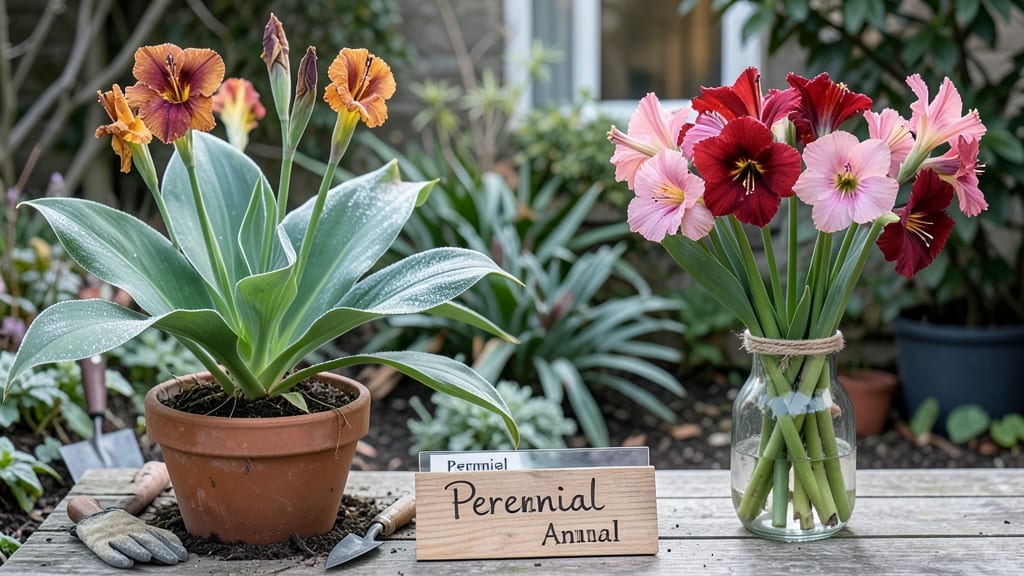
Cannas act as perennials in frost-free regions but are commonly grown as annuals in colder climates because freezing temperatures destroy their tubers and foliage. With proper winter protection, they can regrow reliably in zones 8-11.
This distinction comes down to biology and climate.
In warm zones, cannas naturally regrow from their dormant tubers each spring, making them true perennials. 🌱 However, in colder areas, gardeners must treat them as annuals unless they take steps to protect the tubers—like digging them up before frost or using heavy mulch.
The key is understanding your local freeze dates and how they impact tuber survival.
What surprises many gardeners is how resilient these plants can be with the right care. Even in colder regions, cannas can live for years if you properly store their tubers in a cool, dry place over winter.
I've seen gardeners in zone 6 successfully overwinter cannas for decades using simple techniques like burying tubers in insulated containers filled with peat moss.
💡 In This Article
- How Climate Zones Determine Canna Lifespan
- Winter Care Tips to Extend Canna Growth
How climate zones determine canna lifespan
Cannas thrive as perennials in USDA zones 8-11 because their thick, starchy tubers naturally survive winter dormancy without frost damage. These tubers store nutrients like starch and glycogen, allowing the plant to regenerate foliage each spring.
In contrast, zones 7 and below experience 20-30°F winters, which triggers cell rupture in canna tubers—similar to how potatoes freeze and become mushy. The critical threshold is 28°F: below this, tuber viability drops sharply.
The plant's survival strategy involves a dormancy cycle triggered by shortening daylight and cooler temperatures. During dormancy, cannas redirect energy to their tubers, which can remain viable for 5-7 years if stored properly.
In frost-free zones, this natural process repeats annually, while colder climates require human intervention to mimic these conditions. For example, in zone 9, cannas may bloom continuously if not given a 2-3 month dormant period.
What makes cannas unique is their tropical heritage—native to South America's warm climates. Their foliage resembles banana plants, but their growth habit is more resilient. Unlike true perennials that regrow from roots (like hostas), cannas rely entirely on tuber health.
A single healthy tuber can produce 3-5 new shoots in spring, each capable of reaching 6-8 feet tall with proper care. This rapid regrowth explains why they're often mistaken for annuals in colder regions.
Temperature isn't the only factor—soil moisture plays a crucial role. Soggy soils during winter accelerate tuber rot, while dry conditions preserve them. In zone 8, gardeners often use 12-18 inches of mulch to insulate tubers, creating a microclimate that maintains 40-50°F temperatures.
This insulation mimics the plant's natural tropical environment where tubers remain in moist but well-drained soil year-round.
The science behind canna dormancy involves hormonal changes. As temperatures drop, the plant increases production of abscisic acid, a hormone that triggers dormancy and protects against frost damage. This same hormone helps seeds survive harsh conditions—cannas use it to preserve their tubers until spring.
Understanding this process helps gardeners in colder zones replicate these conditions artificially through storage techniques.
Consider this comparison: In zone 10, cannas grow continuously with minimal care, while in zone 6, they require 6-8 weeks of 50-60°F storage to break dormancy before replanting. The key difference is whether the plant's natural dormancy cycle aligns with your local climate—or if you need to intervene. 🌱