
Flowers
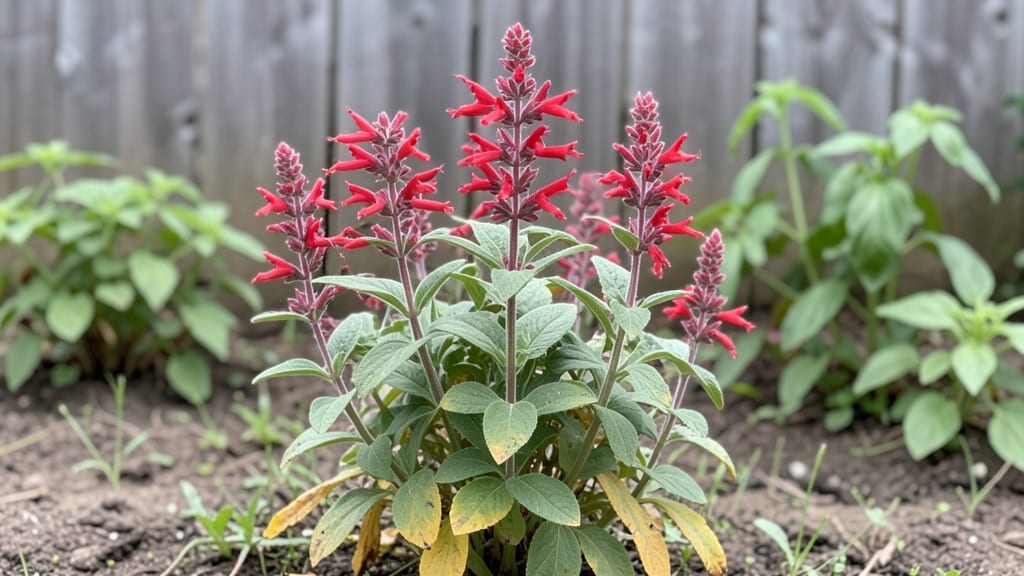
Growing a scarlet sage perennial 🌸 means adding a splash of fiery red to your garden with almost no effort—once established, it thrives on neglect and drought.
If you're dreaming of a vibrant, low-maintenance garden that thrives even during droughts, this plant could be your new favorite. Its fiery red blooms attract hummingbirds and butterflies while requiring minimal water once rooted in well-draining soil.
Native to Mediterranean climates, scarlet sage loves full sun and Zone 6a conditions, making it perfect for spring planting after the last frost. With the right care, it grows 3-4 feet tall and blooms from mid-summer through early fall.
In this guide, you'll discover how to plant it for maximum blooms, when to prune for bushier growth, and the simple tricks to keep it thriving year after year—without the fuss.
Scarlet sage perennial: ideal growing conditions for maximum blooms
Native to the Mediterranean region, scarlet sage (Salvia coccinea) thrives in conditions that mimic its dry, sunny homeland. To coax vibrant red blooms from your plants, focus on replicating these natural growing conditions.
The key lies in sunlight exposure, well-draining soil, and climate compatibility—all of which I’ll break down step by step. Whether you’re a beginner or seasoned gardener, these insights will help you cultivate a thriving scarlet sage perennial that blooms abundantly year after year.
Scarlet sage is a sun-worshipper, demanding at least 6 to 8 hours of direct sunlight daily for optimal growth. In its native habitat, it basks under the Mediterranean sun, which triggers robust flowering.
If your garden receives partial shade, your plants may produce fewer blooms and become leggy. For best results, plant scarlet sage in the sunniest spot of your garden, such as near a south-facing wall or in a raised bed with full sun exposure.
To mimic the Mediterranean climate, prioritize well-draining soil that prevents waterlogging. Scarlet sage hates soggy roots, which can lead to root rot and stunted growth. Amend heavy clay soil with compost or sand to improve drainage.
A slightly acidic to neutral pH (6.0–7.0) is ideal, though scarlet sage is adaptable. Test your soil’s pH before planting—this small step can make a big difference in your plant’s health and flowering potential.
Scarlet sage thrives in USDA Hardiness Zones 7–11, making it perfect for warm climates. In cooler regions (Zones 5–6), grow it as an annual or container plant and bring it indoors before frost. If you live in a hot, arid climate, scarlet sage will flourish with minimal watering.
However, in humid or rainy climates, ensure proper airflow and avoid overhead watering to prevent fungal diseases like powdery mildew.
| Growing Condition | Ideal Specification | Notes |
|---|---|---|
| Sunlight Needs | 6–8 hours direct sun | Partial shade reduces blooms |
| Soil Type | Well-draining, loamy | Avoid heavy clay; amend with compost |
| Soil pH | 6.0–7.0 (neutral) | Test and adjust if needed |
| Water Needs | Moderate; drought-tolerant | Water deeply but infrequently |
| Climate Zones | USDA Zones 7–11 | Grow as annual in cooler zones |
| Mature Height | 2–4 feet tall | Prune to encourage bushiness |
| Bloom Season | Spring to fall | Deadhead for continuous flowers |
When planting scarlet sage, space seedlings 12–18 inches apart to allow airflow and prevent overcrowding. In containers, use pots with drainage holes and a mix of potting soil and perlite to replicate its native, rocky soil.
If you’re planting in a container garden, choose a spot that gets maximum sunlight and move pots indoors before temperatures drop below 40°F.
To extend the blooming season, deadhead spent flowers regularly. This simple task encourages your scarlet sage to produce more vibrant blooms and prevents seed formation, which can divert energy away from flowering. Pinch back leggy stems in early spring to promote bushier growth.
With the right conditions, your scarlet sage will reward you with continuous blooms from spring until frost, making it a standout in any garden.
If you’re in a cooler climate, consider growing scarlet sage in containers or raised beds for easier overwintering. Use a lightweight mulch, like straw, to insulate roots and retain moisture.
In hot climates, provide afternoon shade during peak summer to prevent leaf scorch. With these adjustments, your scarlet sage will thrive regardless of your local climate.
For maximum blooms, pair scarlet sage with companion plants like lantana, salvia, or verbena. These plants share similar care requirements and create a stunning pollinator-friendly display. Avoid planting near heavy feeders
Drought-tolerant care tips: watering, pruning, and fertilizing scarlet sage
Once your scarlet sage perennial is established, it becomes incredibly resilient—almost thriving on neglect. The key to keeping it vibrant lies in understanding its water needs, pruning schedule, and organic fertilizer strategy.
Unlike thirsty annuals, scarlet sage stores water efficiently in its roots, making it perfect for water-conscious gardeners.
I’ve found that the biggest mistake is overwatering, which can lead to root rot. Instead, focus on deep, infrequent watering to encourage strong root development. Pair this with strategic pruning to maintain its bushy shape and promote continuous blooming.
Let’s break down the exact steps to keep your scarlet sage thriving with minimal effort.
- Watering: Water deeply once every 7-10 days during growing season (spring-fall). Use 1 cup per plant and water at soil level to avoid wetting leaves. In extreme heat, increase to every 5-7 days.
- Pruning: Cut back 1/3 of the plant in early spring to encourage new growth. Deadhead spent blooms regularly to prolong flowering. Avoid heavy pruning in late summer to prevent winter damage.
- Fertilizing: Use a balanced organic fertilizer (5-10-10) every 4-6 weeks during spring and summer. Apply 1 tbsp per plant in early morning. Skip fertilizing in fall and winter to allow natural dormancy.
- Mulching: Apply 2-3 inches of mulch around the base to retain moisture and suppress weeds. Use organic mulch like straw or shredded leaves for best results.
- Overwintering: Reduce watering to monthly in winter. Trim back dead foliage in late winter to prep for new growth. Avoid fertilizing until early spring.
When it comes to watering scarlet sage, I’ve learned that timing matters just as much as frequency. Watering in the early morning (before 10 AM) reduces evaporation and prevents fungal diseases that thrive in damp foliage.
If your plant starts to wilt, it’s often a sign of underwatering, but don’t panic—scarlet sage bounces back quickly once watered deeply.
Pruning might seem intimidating, but it’s actually the secret to a fuller, healthier plant. I prune mine in three stages: a light trim in early spring to shape the plant, deadheading throughout the season to encourage more blooms, and a final cleanup in late fall.
Always use clean, sharp pruners to avoid damaging the stems, and never cut more than one-third of the plant at once.
For organic fertilizers, I swear by a mix of compost and a balanced NPK fertilizer (like 5-10-10). Too much nitrogen can lead to lush foliage but fewer blooms, so I stick to light applications every 6 weeks during the growing season.
In fall and winter, I let the plant rest—no fertilizer needed!
With these drought-tolerant care tips, your scarlet sage will reward you with vibrant blooms from mid-summer to early fall, all while drinking far less water than traditional garden plants. The best part? Once established, it practically takes care of itself. 🌸