
Vegetables
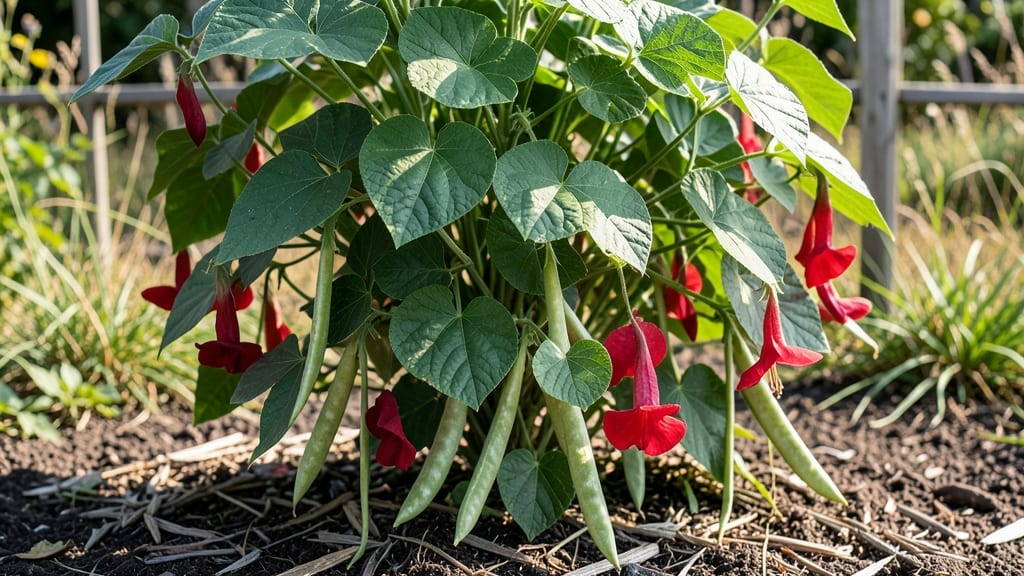
Scarlet runner beans are perennial in nature through their underground rhizomes, allowing them to regrow annually in mild climates with proper winter protection. While they're not true perennials like asparagus, cold-hardy varieties can survive winters in USDA zones 8-11 with mulch, though regrowth depends on care and local conditions.
These climbing beans rely on their thick, woody rhizomes to store energy and nutrients underground during dormancy. 🌱 Unlike true perennials that regrow from the same plant structure each year, scarlet runner beans often produce new shoots from these stored reserves when conditions improve.
In colder regions, applying thick mulch layers or using row covers can make all the difference between winter survival and complete die-off. I've seen plants bounce back spectacularly after harsh winters when given this extra protection, though some varieties simply need warmer climates to reliably return year after year.
What's particularly fascinating is how these plants adapt their growth patterns based on temperature cues. The rhizomes remain dormant until soil temperatures rise consistently above 50°F, triggering new shoot emergence.
This biological mechanism explains why you might see sporadic regrowth even in marginal climates—sometimes just a single shoot breaks through while others remain dormant for another season.
💡 In This Article
- How Scarlet Runner Bean Rhizomes Enable Regrowth
- Extending Scarlet Runner Bean Lifespan in Cold Climates
How scarlet runner bean rhizomes enable regrowth
Scarlet runner beans rely on specialized underground rhizomes—thick, woody stems that function like living batteries. These rhizomes store carbohydrates, proteins, and water during dormancy, allowing the plant to regenerate when conditions improve.
Unlike true perennials that regrow from the same root crown, scarlet runner beans often produce new shoots from multiple points along the rhizome network, creating a bushier plant structure each season.
The magic happens at 50-55°F, when soil temperatures trigger hormonal signals that break dormancy. This process involves complex interactions between gibberellins (growth hormones) and abscisic acid (which maintains dormancy).
Cold-hardy varieties have evolved to tolerate brief freezes (-10°F for short periods), but prolonged exposure below 20°F can kill the rhizomes. The thicker the rhizome, the better its survival rate—some mature specimens reach 1-2 inches in diameter after several growing seasons.
What's fascinating is how these plants prioritize energy storage. During their first growing season, scarlet runner beans focus on building rhizome mass rather than producing many flowers or pods. This explains why first-year plants often look lush but produce fewer beans—they're investing in their underground survival infrastructure.
In contrast, established plants with robust rhizomes can produce 20-30 feet of vines annually while still maintaining their underground reserves.
Not all rhizomes behave identically—some varieties like 'King of the Garden' develop more extensive networks than others. The key difference lies in their genetic predisposition for cold tolerance and rhizome development rate.
For example, plants grown from seed may take 2-3 years to establish strong rhizomes, while those propagated from established rhizomes can regrow vigorously within 6-8 weeks of spring planting.
Understanding this mechanism helps explain why scarlet runner beans sometimes return in unexpected places. Even if the above-ground plant dies back completely, buried rhizome fragments can sprout new growth when conditions improve—this is why you might find "volunteer" plants appearing years after the original planting.
The rhizomes can remain viable in the soil for 3-5 years if undisturbed, though their vigor declines over time without proper care.
This biological strategy also explains why scarlet runner beans thrive in tropical and subtropical regions but struggle in colder climates without protection. The rhizomes' ability to store energy makes them more resilient than annual beans, but they still require consistent warmth to trigger regrowth each spring.
In marginal zones, even a 3-inch layer of mulch can mean the difference between winter survival and complete die-off.