
Plants
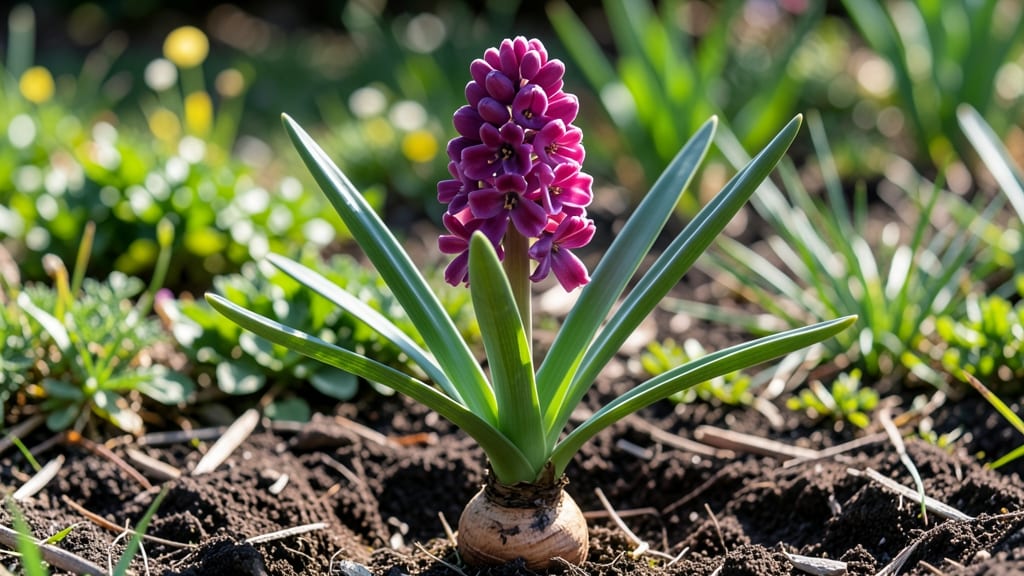
Yes, hyacinths are perennials that thrive in cold climates by storing energy in underground bulbs, regrowing each spring with vibrant blooms. Their hardiness depends on proper winter care and well-draining soil to survive freezing temperatures.
Hyacinths earn their perennial status through their clever underground storage system. 🌱 Unlike annuals that complete their life cycle in one season, these bulbs act like natural batteries, storing carbohydrates and nutrients to fuel regrowth when conditions improve.
This biological trick lets them survive winters in USDA zones 3 through 9, where temperatures can drop well below freezing. The key to their longevity lies in that dormant bulb—when you see those fragrant spring blooms, you're witnessing nature's perfect survival strategy at work.
What makes this particularly interesting is how their growth cycle differs from true annuals. While annuals like marigolds complete their entire lifecycle in one season, hyacinths spend most of their time underground, only emerging briefly each spring to bloom spectacularly.
This underground dormancy period is crucial for their survival—it's during this time that they build up the reserves needed for next year's flowers.
💡 In This Article
- How Hyacinth Bulbs Survive Winter as Perennials
- Best Practices for Planting Hyacinths as Long-Lasting Perennials
How hyacinth bulbs survive winter as perennials
The secret to hyacinths thriving as perennials lies in their specialized underground storage system. These bulbs contain concentric layers of fleshy scales packed with starches and sugars—essentially nature's way of creating a high-energy food reserve.
During dormancy, the bulb's metabolic rate drops dramatically, preserving these nutrients until spring. This adaptation allows them to withstand freezing temperatures down to -30°F in protected conditions, making them ideal for cold-hardy gardens.
What sets hyacinths apart from annuals is their ability to regenerate from the same bulb year after year. Unlike annuals that die completely after flowering, hyacinth bulbs develop new growth points each season while maintaining their core structure.
The bulb's outer layers act as protective armor, shielding the delicate inner growth tissues from winter's harshest conditions. In USDA zones 3-9, this natural insulation combined with proper soil drainage creates the perfect environment for their perennial cycle.
The dormancy process begins when daylight shortens in autumn, triggering a hormonal shift that signals the bulb to stop active growth. At this stage, the bulb's water content drops to about 10-15% of its springtime levels, creating a desiccated state that prevents freezing damage.
This biological adaptation explains why hyacinths can remain dormant for months without water—unlike annuals that require consistent moisture to survive their brief growing season.
Comparing hyacinths to biennials highlights their unique survival strategy. While biennials like carrots store energy for two years before flowering, hyacinths maintain a continuous cycle where each bulb can theoretically live for 5-10 years with proper care.
The key difference is their ability to regenerate from the same bulb structure rather than producing seeds for the next generation. This makes them more reliable perennials than many flowering plants that decline after just a few years.
One fascinating aspect of their perennial nature is how they adapt to different climates. In warmer zones (8-9), hyacinths may need less winter protection, while in colder zones (3-5), they benefit from 3-4 inches of mulch to insulate the soil.
This adaptability stems from their bulb's ability to adjust dormancy depth based on temperature cues—a sophisticated survival mechanism that explains why they thrive across such diverse growing conditions.
What most gardeners don't realize is that hyacinth bulbs actually become stronger each year through a process called "bulbization." After flowering, the bulb absorbs nutrients from the foliage through photosynthesis, building reserves that make next year's blooms even more vigorous.
This continuous improvement cycle is what turns hyacinths from simple spring flowers into long-lived garden staples.