
Flowers
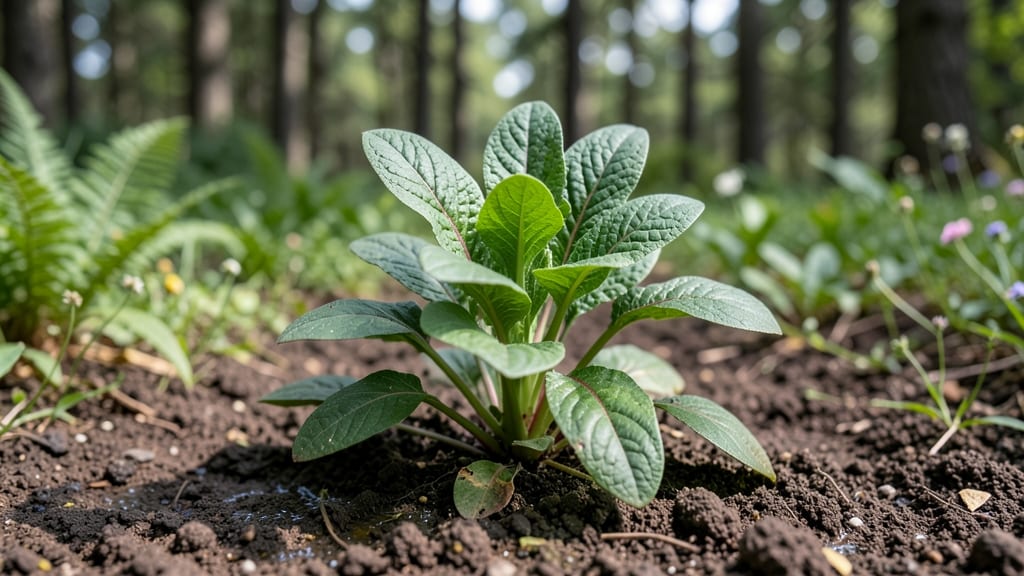
Yes, sorrel is a perennial plant in most climates, thanks to its hardy underground rhizomes that store nutrients and regrow each spring. Cold-hardy varieties may die back during freezing winters but reliably resprout when temperatures warm.
Sorrel’s perennial nature stems from its thick, fibrous rhizomes—underground stems that act like natural storage units for energy.
These roots allow the plant to survive harsh winters in zones 3-9, though some varieties may appear dormant until spring. 🌱 Unlike annuals that complete their life cycle in one season, sorrel’s rhizome system ensures it returns year after year with minimal care.
This makes it a favorite for gardeners seeking low-maintenance greens with a tangy lemony flavor.
For optimal growth, plant sorrel in well-draining soil with partial shade, especially in hotter climates. Mulching in late fall protects the rhizomes from extreme cold, while cutting back dead foliage in early spring signals new growth.
In milder regions, sorrel may even produce leaves year-round, though its flavor intensifies after frost. The key to treating it as a true perennial lies in preserving those underground roots—never dig them up!
💡 In This Article
- How Sorrel’s Rhizome System Works as a Perennial
- Growing Sorrel as a Perennial: Climate and Care Tips
How sorrel’s rhizome system works as a perennial
The secret behind sorrel’s perennial persistence lies in its thick, horizontal rhizomes—underground stems that function like a plant’s built-in energy bank. These fibrous roots store carbohydrates, proteins, and water, allowing sorrel to survive through drought or frost.
Unlike annuals that rely on seeds, sorrel’s rhizomes contain dormant buds that can sprout new shoots when conditions improve, even after months of dormancy.
When temperatures drop below 20°F (-7°C), sorrel’s above-ground leaves may yellow and die back, but the rhizomes remain protected 6-12 inches underground. The plant’s cells produce antifreeze proteins that lower the freezing point of its sap by up to 5°F (-15°C), preventing ice crystal damage.
This cold-hardiness explains why sorrel thrives in zones 3-9—far beyond what most leafy greens can handle.
Spring regrowth begins when soil temperatures reach 40-50°F (4-10°C), triggering the rhizomes to release stored nutrients. Within 2-3 weeks, new shoots emerge from the buds, often before the last frost.
The rhizome system also enables sorrel to spread vegetatively, creating dense patches over time—a trait shared with other perennials like mint or ginger, but far more efficient than seed propagation.
What sets sorrel apart from biennials (like carrots) is its continuous growth cycle. While biennials allocate energy to flowering and seed production in their second year, sorrel focuses on leaf production year after year.
This perpetual growth makes it a gardener’s dream—cut the leaves, and the rhizomes keep feeding new shoots from stored reserves.
The rhizome’s structure is also self-repairing. If damaged by frost or digging, the remaining healthy sections can regenerate the entire plant. This resilience is why sorrel often outlasts annual plantings, even in neglected garden corners. The trade-off? Its aggressive underground spread means it can become invasive if not contained.
For comparison, consider spinach—a cool-season annual that bolts (goes to seed) in heat. Sorrel’s rhizomes, however, keep it productive through summer’s 80°F (27°C) heat and winter’s 10°F (-12°C) chill, making it the ultimate low-maintenance green. The key to unlocking this perennial power is protecting those hidden roots!