
Flowers
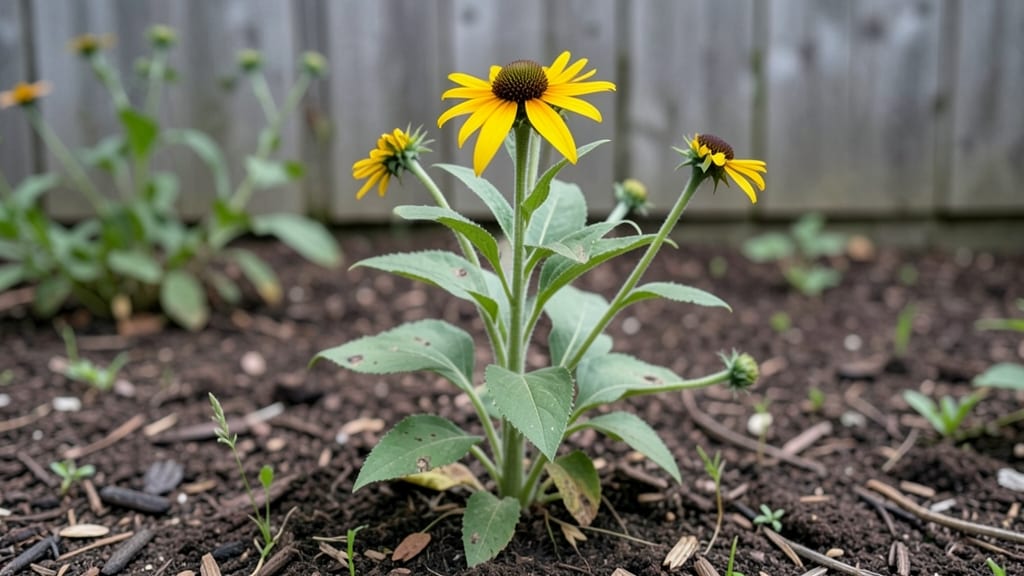
Growing a rudbeckia hirta perennial means adding a golden, sun-loving star to your garden that blooms effortlessly from summer through frost.
If you crave low-maintenance perennials that burst with vibrant color year after year, Rudbeckia hirta—the Black-Eyed Susan—is your answer. This hardy plant thrives in full sun and even tolerates poor soil, making it perfect for busy gardeners.
In USDA Zone 6a, planting your Black-Eyed Susan in March or April ensures it establishes strong roots before summer heat arrives. With minimal care, it rewards you with cheerful blooms from July to September.
Below, I’ll share the secrets to keeping your 🌼 thriving—from soil prep to pruning—so you can enjoy its bright faces for seasons to come.
Why rudbeckia hirta perennial thrives in sun and poor soil
The rudbeckia hirta perennial, or Black-Eyed Susan, is a gardener’s dream because it thrives where other plants struggle. Its secret? A deep taproot system that reaches nutrients deep underground, allowing it to flourish in nutrient-poor soil and drought conditions.
This hardy perennial loves full sun exposure—at least 6 hours daily—making it ideal for sunny borders, meadows, or even rocky slopes.
Many gardeners assume rich, fertile soil is essential for vibrant blooms, but Rudbeckia hirta proves otherwise. While it appreciates well-draining soil, it tolerates sandy, clay, or rocky compositions with ease. Its drought tolerance means you’ll spend less time watering and more time admiring its cheerful golden-yellow flowers.
Here’s why this perennial excels in challenging conditions—and how to maximize its potential in your garden:
| Characteristic | Details |
|---|---|
| Sunlight Needs | Full sun (6+ hours daily) |
| Soil Type | Tolerates poor, sandy, clay, or rocky soil |
| Water Needs | Drought-tolerant once established |
| Root Depth | Deep taproot (12+ inches) |
| Bloom Season | Summer to frost (July-Sept) |
| Mature Height | 1.5–3 feet |
| Fertilizer Needs | None to light feed (optional) |
One of the biggest misconceptions about rudbeckia hirta is that it requires frequent watering or fertile amendments. While it appreciates well-draining soil, amending with compost isn’t mandatory. In fact, over-fertilizing can lead to leafy growth at the expense of flower production.
A light application of 10-10-10 fertilizer in early spring is often enough to encourage blooms.
Its deep roots also make it resilient against drought stress. Once established, rudbeckia hirta can go weeks without rain, making it perfect for xeriscaping or gardens with limited irrigation. For best results, water deeply once weekly during dry spells, focusing on the root zone rather than surface watering.
Another advantage is its adaptability to soil pH. While it prefers slightly acidic to neutral soil (pH 6.0–7.0), it tolerates alkaline conditions up to pH 8.0. This flexibility means you can grow it in urban gardens, wildflower meadows, or even containers with minimal fuss.
If you’re planting in poor soil, consider adding a 2–3 inch layer of mulch (like straw or wood chips) to retain moisture and suppress weeds. This mimics its natural habitat and encourages strong root development. Avoid heavy mulch, which can suffocate roots or attract pests.
For container gardening, use a well-draining potting mix with perlite or sand to prevent compaction. A 5-gallon pot is ideal for one plant, and placing it in full sun ensures vibrant blooms.
Just be sure to water when the top inch of soil feels dry—overwatering is the biggest threat to potted rudbeckia hirta.
Even in challenging conditions, Rudbeckia hirta rewards gardeners with long-lasting blooms and wildlife appeal. Its nectar-rich flowers attract bees, butterflies, and birds, making it a pollinator magnet. With the right sun exposure and minimal care, this perennial will thrive for years with little effort.
So if you’re looking for a low-maintenance, sun-loving perennial that handles poor soil like a champ, rudbeckia hirta is your perfect match. Plant it, admire its golden blooms, and let nature do the rest! 🌼
How to extend rudbeckia hirta’s blooming season with deadheading and pruning
Want your rudbeckia hirta to keep blooming until frost? The secret lies in two simple but powerful techniques: deadheading and pruning. These methods redirect the plant’s energy from seed production to creating more vibrant flowers.
With just a few minutes of care every few days, you can transform your garden into a golden sea of blooms that lasts from July through October.
Deadheading—removing spent flowers—is the easiest way to encourage more blooms. Pruning, on the other hand, helps maintain plant health and shape while also stimulating new growth.
Together, they create a longer, more abundant flowering season with minimal effort. Let’s dive into the step-by-step process so you can maximize your Black-Eyed Susan’s potential.
Step-by-Step Guide to Extend Blooming Season
- 1 Deadhead Regularly: Pinch or cut off spent blooms as soon as they fade. Use clean, sharp pruners or fingers to remove the flower head just above the next set of leaves. This prevents seed formation and encourages new buds to form.
- 2 Prune Lightly After First Bloom: Once the first flush of flowers fades (around mid-summer), trim back the stems by one-third to encourage a second round of blooms. Use sterilized pruners to make clean cuts just above a leaf node.
- 3 Divide Mature Plants Every 3-4 Years: Over time, rudbeckia hirta can become overcrowded. In early spring or fall, dig up the plant, separate the root clumps, and replant the divisions. This rejuvenates the plant and promotes healthier, more vigorous growth.
- 4 Fertilize Lightly After Pruning: After pruning, apply a balanced fertilizer (10-10-10) to support new growth. Use 1 tablespoon per plant and water thoroughly to help nutrients absorb into the soil.
- 5 Monitor for Pests/Diseases: While pruning, check for signs of powdery mildew or Japanese beetles. Remove affected leaves immediately and treat with neem oil or insecticidal soap if needed.
Timing is everything when it comes to pruning and deadheading. Start deadheading as soon as the first blooms fade in early summer and continue until frost. For pruning, aim for late June to early July to encourage a second bloom cycle.
This timing aligns perfectly with the plant’s natural growth rhythm, ensuring it has enough energy to produce new flowers before winter.
One common mistake is pruning too late in the season. Avoid cutting back rudbeckia hirta after mid-August, as this can stunt new growth and reduce winter hardiness.
Instead, focus on deadheading until frost and let the plant prepare for dormancy naturally. This balance ensures your Black-Eyed Susan returns stronger next spring.
With these techniques, your rudbeckia hirta will reward you with a prolonged, vibrant display of golden blooms. The key is consistency—just a few minutes of care every few days can make a world of difference in your garden’s summer and fall beauty. Happy gardening! 🌻