
Flowers
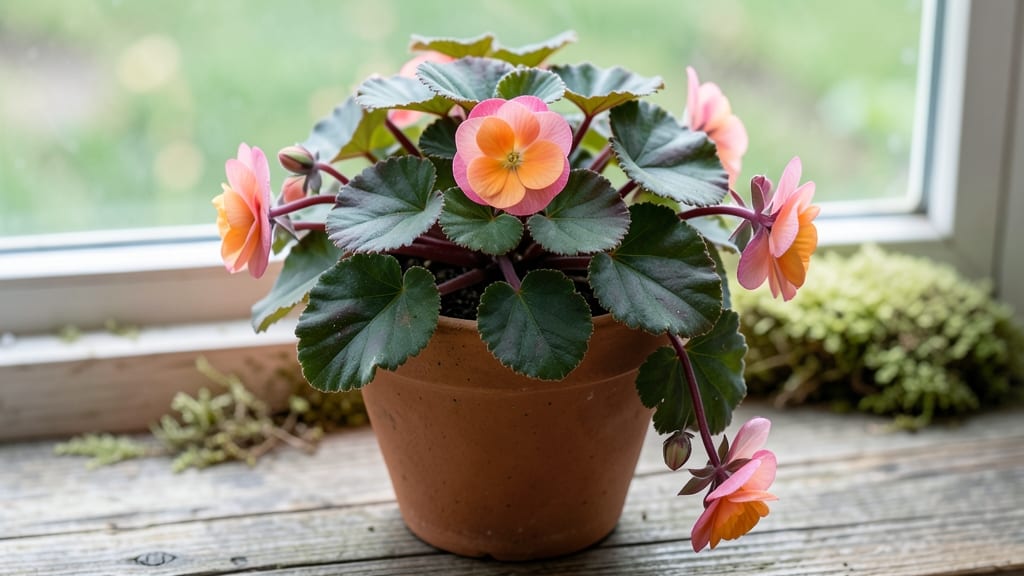
Deciding whether Rieger begonias are perennials or annuals depends on your climate: they thrive as perennials in warm USDA Zones 10-12 but must be treated as annuals in colder regions where their delicate rhizomes freeze.
Rieger begonias make this decision based on their underground rhizomes, which store energy and nutrients. 🌱 In frost-free zones, these rhizomes survive winter dormancy to regrow each spring, acting like true perennials.
However, when temperatures drop below 25°F, the rhizomes suffer irreversible damage, forcing gardeners in colder climates to replant annually.
This survival strategy explains why Rieger begonias are prized in Mediterranean climates but often grown as seasonal bedding plants elsewhere. The key lies in their temperature sensitivity—even a light frost can kill the root system, making winter protection essential for zone 9 growers.
For those in marginal zones, overwintering in containers or using thick mulch can sometimes extend their perennial behavior. The rhizomes' ability to regenerate makes them resilient, but only when protected from freezing conditions.
💡 In This Article
- How Rieger Begonia Rhizomes Determine Survival Type
- Growing Rieger Begonias Year-Round: Climate-Specific Care Tips
How Rieger begonia rhizomes determine survival type
Rieger begonias rely on their thick, fleshy rhizomes—horizontal underground stems—to store energy and nutrients, much like how a potato stores starch. These rhizomes contain concentrated sugars and starches that fuel regrowth after dormancy, a survival strategy common in many tropical plants.
In ideal conditions (USDA Zones 10-12), the rhizomes naturally enter a dormant state during summer's heat but remain alive underground, ready to sprout when temperatures drop and moisture returns.
The turning point comes when temperatures fall below 25°F—this is the critical threshold where rhizome cells begin to rupture from ice crystal formation.
Unlike hardy perennials with thick roots (like hostas), Rieger begonia rhizomes lack protective bark layers and freeze solid at -5°F or lower. 🌡️ Even a light frost can cause irreversible damage, as the delicate vascular tissues inside the rhizome collapse, preventing nutrient transport.
This biological vulnerability explains why gardeners in colder zones must replant each spring.
What makes this adaptation fascinating is the rhizome's ability to regenerate from just a small piece. Even a 1-inch segment with an eye (growth node) can produce a new plant—a trait gardeners exploit for propagation.
However, this regeneration only works if the rhizome tissue remains viable, which is why overwintering strategies focus on insulating these storage organs from cold snaps.
Seasonal cues also play a role: shorter daylight hours and dropping temperatures trigger dormancy in the rhizome. In frost-free climates, this cycle repeats annually, allowing the plant to persist as a perennial.
But in colder regions, the rhizome's inability to survive winter forces gardeners to treat it as an annual, replanting from cuttings or new tubers each season.
Consider this comparison: A Rieger begonia's rhizome is like a bear's fat reserves—essential for survival but vulnerable to extreme cold. While bears hibernate to conserve energy, these rhizomes simply can't tolerate freezing, making climate the ultimate deciding factor in their growth habit. 🐻❄️
For those in marginal zones (like Zone 9), the rhizomes can sometimes survive winter with heavy mulch (6+ inches of straw or leaves), but this is risky. The plant's true perennial nature only emerges when protected from temperatures below 20°F for extended periods—a condition only reliably found in Zones 10-12.