
Flowers
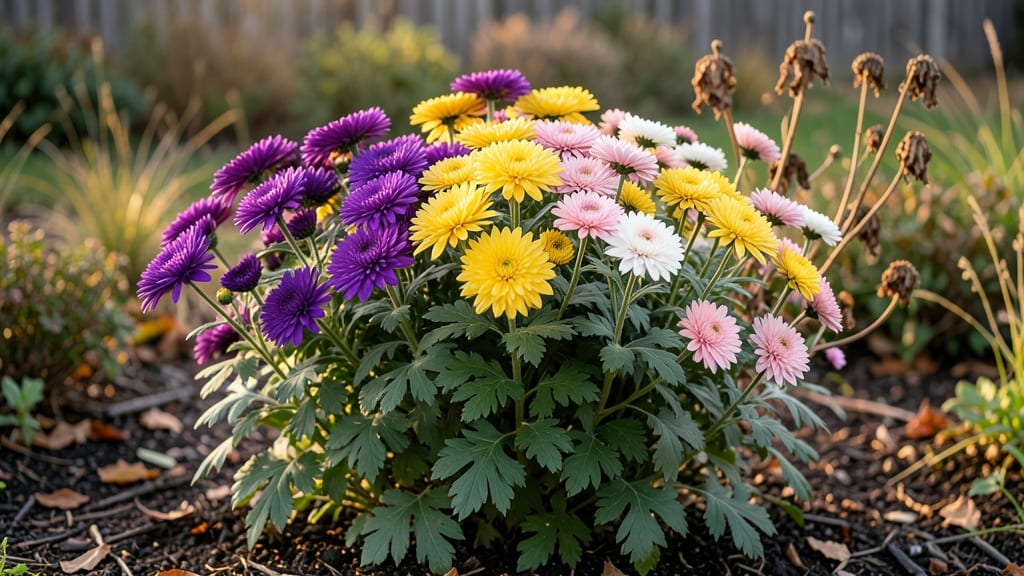
Chrysanthemums are perennials in USDA Zones 5-9, where their hardy underground rhizomes survive winter to regrow each spring. In colder climates, they may die back but can be overwintered indoors or replanted annually as tender perennials.
These hardy plants thrive because their thick, woody rhizomes store energy underground, allowing them to push through soil as temperatures rise. 🌱 In milder zones, they return year after year with minimal care, while colder regions require extra steps like digging up tubers before frost.
The key difference between annual and perennial chrysanthemums often comes down to these underground storage systems—some varieties even produce multiple stems from a single root system, creating bushier growth patterns.
For gardeners in colder areas, the good news is that with proper overwintering techniques, you can maintain perennial chrysanthemums for years. The rhizomes' ability to survive dormancy makes them particularly resilient compared to other flowering perennials that might struggle with freeze-thaw cycles.
💡 In This Article
- How Chrysanthemum Rhizomes Determine Perennial Survival
- Overwintering Chrysanthemums in Cold Climates
How chrysanthemum rhizomes determine perennial survival
The secret to chrysanthemums' perennial nature lies in their specialized underground rhizomes—thick, horizontal stems that act like natural storage units. These woody structures store carbohydrates, proteins, and water during dormancy, allowing the plant to survive freezing temperatures down to -20°F in Zone 5.
The rhizomes contain specialized cells called parenchyma that swell with stored nutrients, creating a reserve system similar to how a potato stores energy for new growth.
Dormancy triggers kick in when daytime temperatures consistently drop below 50°F for 2-3 weeks, signaling the plant to halt above-ground growth. The rhizomes then enter a state of metabolic slowdown, reducing water loss and energy expenditure.
In Zone 9, where winters are milder, rhizomes may only need to survive brief 30-35°F dips, while Zone 5 plants face more extreme freeze-thaw cycles that test their resilience. The deeper the rhizomes bury (typically 4-6 inches below soil), the better they withstand cold stress through insulation.
What makes these rhizomes particularly fascinating is their ability to produce multiple growth points. A single mature rhizome can generate 3-5 new shoots in spring, creating dense foliage. This regenerative capacity explains why well-established chrysanthemums often appear bushier than annual varieties, which rely solely on seed propagation.
The trade-off? Rhizomes require well-draining soil to prevent rot—soggy conditions trigger fungal growth that can destroy these vital storage organs.
Temperature thresholds vary by variety, with some hardy types like 'Hardy Bonanza' thriving in Zone 4 with proper mulching, while tropical varieties struggle below Zone 8.
The key difference between annual and perennial chrysanthemums often comes down to rhizome development—perennials invest more energy underground during their first year to build these survival structures.
In colder climates, gardeners often see annual chrysanthemums treated as perennials by simply replanting new tubers each spring, though this skips the natural rhizome-building process.
Here's what happens biologically when temperatures rise: The rhizomes detect increasing soil warmth (typically above 45°F) through specialized cells that convert stored starches back into sugars for new growth.
This metabolic shift explains why chrysanthemums often emerge earlier than many other perennials—sometimes as early as late February in Zone 7. The process is remarkably efficient, with some rhizomes converting up to 80% of their stored reserves into new shoots within 4-6 weeks of spring's arrival.
The most critical factor for perennial survival isn't just cold tolerance, but the plant's ability to time its dormancy perfectly. Chrysanthemums that break dormancy too early risk damage from late frosts, while those that delay growth may miss optimal flowering windows.
This biological balancing act explains why gardeners in marginal zones (like Zone 5b) sometimes need to provide extra insulation with 4-6 inches of mulch to give rhizomes the best chance at survival through harsh winters. 🌱