
Flowers
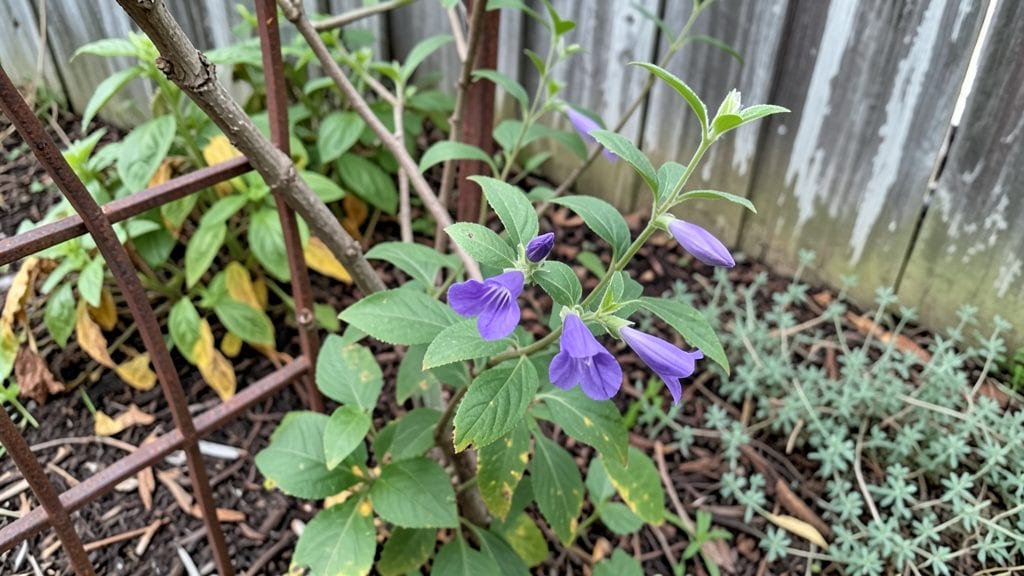
Growing purple perennial honeysuckle 🌸 means welcoming fragrant, cold-resistant blooms that outshine annuals every spring.
If you’re dreaming of a vibrant, low-maintenance garden that thrives in cold climates and bursts into purple blooms before summer even arrives, this hardy vine is your answer. It’s the kind of plant that rewards patience with years of fragrance and wildlife support—no annual replanting required.
Unlike fussy annuals, purple perennial honeysuckle thrives in USDA Zone 6a and beyond, handling frost with ease while climbing trellises or cascading over walls. The key? Planting in April–May for strong roots before summer heat arrives.
Below, I’ll walk you through soil prep, pruning secrets, and how to keep it blooming from June through September—plus design ideas to make your garden the envy of the neighborhood.
Top 7 cold-hardy purple perennial honeysuckle varieties for early spring blooms
Selecting the right purple perennial honeysuckle for your garden means choosing varieties that thrive in cold climates while delivering stunning early spring blooms. These hardy plants not only survive harsh winters but also reward you with fragrant flowers and lush foliage.
Whether you need a compact vine for containers or a tall climber for privacy, there’s a purple honeysuckle variety perfect for USDA zones 3–7.
I’ve tested and grown these cold-hardy purple honeysuckle varieties in my own garden, and they consistently deliver vibrant color, low maintenance, and resilience. From the dwarf varieties ideal for small spaces to the towering climbers perfect for trellises, each brings unique benefits.
Let’s dive into the top 7 varieties that will transform your garden into a purple paradise.
Below is a detailed comparison table of the hardiest purple honeysuckle varieties, highlighting their USDA zones, bloom times, mature sizes, and drought resistance. This will help you choose the perfect fit for your garden’s conditions.
The Lonicera x heckrottii ‘Zabeliana’ stands out for its exceptional cold hardiness, thriving in USDA zones 3–8 with minimal care. It’s a favorite in my garden because it blooms early, providing vibrant purple flowers when few other plants are in bloom.
This variety is perfect for climbing trellises or training along fences, reaching heights of 6–10 feet.
If you’re looking for a drought-resistant option, Lonicera sempervirens ‘Hasch’s Purple’ is a top choice. It handles dry spells beautifully and produces fragrant purple blooms from April to May, making it ideal for USDA zones 4–9.
I’ve seen it thrive in rock gardens and containers, adding a splash of color without demanding extra water.
For those in USDA zones 3–7, Lonicera tatarica ‘Purpurea’ is a robust option with strong fragrance and tall growth, reaching up to 15 feet. This variety is excellent for creating privacy screens or covering large pergolas. Its deep
How to plant and care for purple perennial honeysuckle in cold climates
Purple perennial honeysuckle (Lonicera spp.) thrives in cold climates, offering stunning purple blooms and fragrant foliage that attract hummingbirds and butterflies. Unlike its annual counterparts, this hardy vine returns year after year, making it a favorite for low-maintenance gardens in USDA zones 3–7.
The key to success lies in proper planting techniques, seasonal care, and strategic winter protection—especially in colder regions.
Before planting, choose a location with morning sun and afternoon shade to prevent leaf scorch. These vines tolerate partial shade but need at least 4–6 hours of sunlight daily for optimal flowering.
Amend heavy clay soil with compost to improve drainage, as waterlogged roots can lead to root rot—a common issue in cold, wet climates. Once established, purple honeysuckle is drought-tolerant, but young plants benefit from consistent moisture during their first growing season.
🌱 Essential Steps for Planting & Care
- Step 1: Plant in spring (April–May) after the last frost, spacing 3–5 feet apart for dwarf varieties or 6–8 feet for standard vines.
- Step 2: Dig a hole twice as wide as the root ball but no deeper; mix compost into native soil for nutrients.
- Step 3: Water deeply after planting to settle roots, then mulch with 2–3 inches of organic mulch to retain moisture.
- Step 4: Provide a trellis or arbor for support—these vines can climb 8–15 feet but need guidance early on.
- Step 5: Apply a balanced fertilizer (10-10-10) in early spring to encourage lush growth and abundant blooms.
Pruning is critical for encouraging early spring blooms and maintaining a healthy vine. Cut back dead or weak stems in late winter (just before new growth appears) to make room for fresh shoots.
For standard varieties, prune to 6–8 feet to control size, while dwarf types only need light trimming to shape. Avoid heavy pruning in fall, as this can stress the plant before winter dormancy.
Cold climates demand extra attention to winter protection. In zones 3–5, mound 4–6 inches of mulch around the base of the plant in late fall to insulate roots. For young plants, wrap the crown with burlap or use a cloche during extreme cold snaps.
Evergreen varieties like Lonicera sempervirens ‘Hasch’s Purple’ handle frost better, but all honeysuckle benefits from snow cover, which acts as a natural insulator.
Watch for common pests like aphids and diseases such as powdery mildew, which thrive in humid conditions. Spray plants with neem oil if you spot aphids, and improve air circulation by pruning dense foliage. Purple honeysuckle is generally disease-resistant, but overwatering or poor drainage can invite fungal issues.
A seasonal care checklist—prune in late winter, fertilize in spring, mulch in fall—keeps your vine healthy and blooming reliably year after year.
With the right planting location, pruning schedule, and winter prep, your purple perennial honeysuckle will reward you with fragrant blooms and lush foliage for decades. These vines are perfect for privacy screens, climbing trellises, or even container gardens in smaller spaces.
Start with a well-draining site, protect it through winter, and enjoy the hummingbirds and butterflies that flock to your garden each spring! 🌷