
Flowers
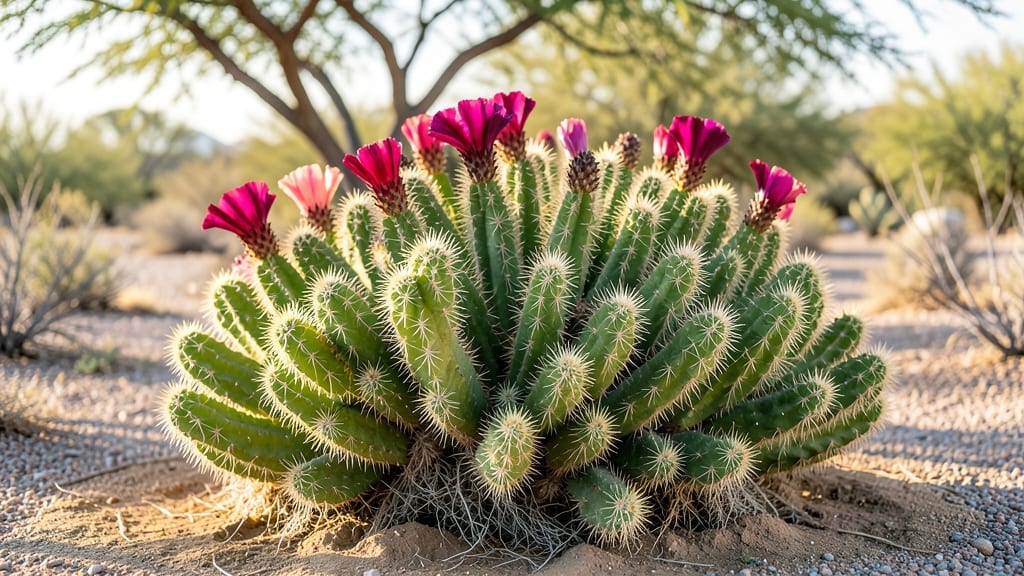
Dragon’s Breath pentas (Pentas lanceolata) functions as a perennial only in USDA zones 10-11, where frost never occurs. In cooler regions, it behaves as an annual but can be coaxed to rebloom yearly with proper seasonal care.
This tropical beauty thrives as a perennial because it evolved in warm climates where temperatures never dip below 30°F. 🌿 In colder zones, gardeners often treat it like an annual, but with strategic overwintering—like bringing potted plants indoors or using frost blankets—you can encourage new growth each spring.
The secret lies in its ability to regenerate from roots if protected from prolonged cold, making it a rewarding seasonal plant even in temperate areas.
What sets Dragon’s Breath apart is its resilience: even if the foliage dies back in winter, the root system often survives to produce fresh shoots when temperatures warm. This makes it a smart choice for gardeners who want vibrant summer color without the commitment of a true perennial.
💡 In This Article
- Dragon’s Breath Plant Lifespan and Cold Tolerance Explained
- How to Overwinter Dragon’s Breath in Cooler Climates
Dragon’s Breath plant lifespan and cold tolerance explained
Dragon’s Breath pentas (Pentas lanceolata) originates from East Africa’s tropical regions, where it evolved to thrive in warm, frost-free climates with temperatures consistently above 60°F.
This tropical heritage explains why it behaves as a true perennial only in USDA zones 10-11—areas where winter temperatures never drop below 30°F.
In these ideal conditions, the plant maintains continuous growth, producing vibrant red blooms year-round with minimal dormancy. 🔥 The key mechanism here is its inability to tolerate prolonged exposure to freezing temperatures, which would cause cellular damage to its tender stems and leaves.
The plant’s cold sensitivity stems from its C4 photosynthetic pathway, which is optimized for warm climates. When temperatures fall below 40°F, metabolic processes slow dramatically, and the plant enters a state of dormancy.
However, unlike true perennials in colder zones (such as lavender or salvia), Dragon’s Breath lacks the hardy root structures needed to survive repeated freeze-thaw cycles. Instead, it relies on rapid regrowth from protected roots when conditions warm again.
This is why gardeners in zones 8-9 often see it die back completely in winter only to rebound with fresh foliage and flowers by late spring.
What makes Dragon’s Breath unique is its ability to regenerate from even small root fragments if protected from frost.
In zones 7 and below, the plant typically behaves as an annual, but with proper care—like cutting back stems before the first frost and insulating the soil with mulch—you can encourage root survival.
The roots themselves can remain viable for months in dormancy, waiting for warmer temperatures to trigger new shoot growth. This resilience is why many gardeners treat it as a "reblooming annual," enjoying its seasonal display year after year without the long-term commitment of a true perennial. ✨
Temperature thresholds are critical: exposure to 28°F for more than 24 hours will kill the foliage and upper stems, but the roots often survive if the ground doesn’t freeze solid.
This is why container-grown Dragon’s Breath has a better chance of overwintering—potted plants can be moved to protected locations or even indoors during cold snaps.
The plant’s natural regrowth cycle is triggered by soil temperatures rising above 55°F, which signals the roots to push out new growth within 3-4 weeks.
Here’s what happens during dormancy: the plant redirects energy from its leaves and stems into its root system, storing carbohydrates as starches. When spring arrives, these reserves fuel rapid regrowth. This process is similar to how tropical plants like cannas behave in colder climates, though Dragon’s Breath is less cold-hardy.
The trade-off is its stunning summer blooms and low-maintenance nature, making it a popular choice despite its seasonal limitations. 💫
For gardeners in marginal zones (like zone 8), the difference between treating Dragon’s Breath as a perennial or annual often comes down to microclimate protection.
A sheltered spot with afternoon sun and evening shade can push its cold tolerance by 2-3°F, while mulching with 4-6 inches of straw or leaves can insulate roots through light frosts. This small-scale care transforms what would otherwise be an annual into a reliable seasonal performer.
The bottom line? Dragon’s Breath isn’t built for harsh winters, but its adaptability makes it a versatile addition to gardens where summer heat is the dominant climate challenge.
With the right strategies, you can enjoy its fiery blooms year after year—just don’t expect it to survive a New England winter without help! 🌟