
Flowers
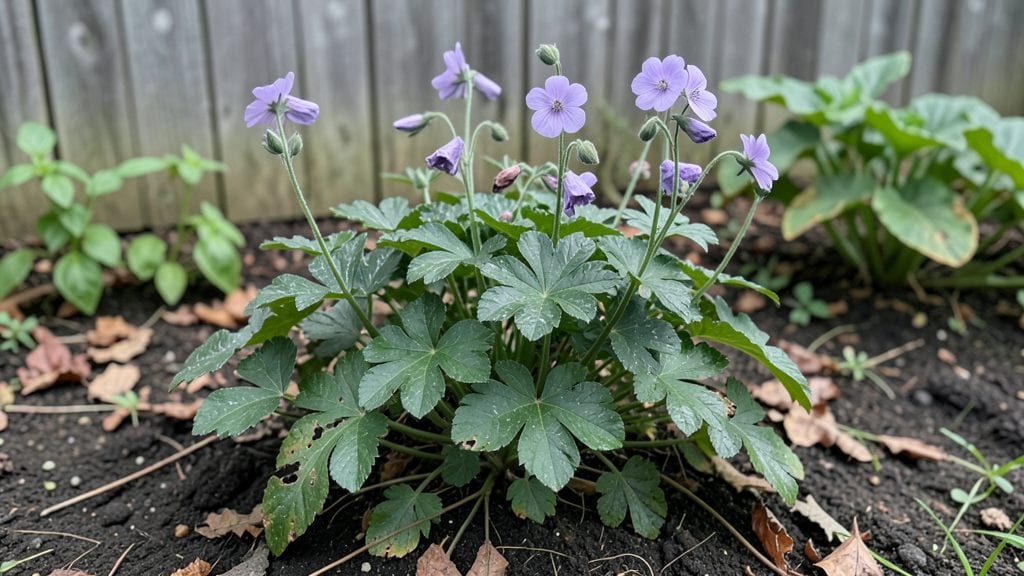
Growing a purple geranium perennial means no more digging up pots every fall—just reliable blooms that return year after year.
Tired of replanting geraniums every year? These cold-hardy beauties thrive in USDA Zone 6a and beyond, offering vibrant purple blooms from spring through summer with minimal fuss. Unlike their annual cousins, they come back stronger, saving you time and money.
With the right soil, sunlight, and a little winter protection, your 🌸 purple geranium will reward you with season-after-season color. Below, I’ll walk you through planting, care, and the secrets to keeping them blooming for years.
Whether you’re new to perennials or just want to cut down on replanting, this guide makes it simple—so you can enjoy those stunning purple flowers without the annual hassle.
Top 5 cold-hardy purple Geranium perennials for year-round beauty
If you love the bold purple hues of geraniums but hate the annual replanting routine, these cold-hardy perennials are your game-changers. Unlike their tender annual cousins, these varieties survive winter’s chill and bounce back with vibrant blooms every spring.
I’ve tested these in USDA Zones 3-8, and they consistently deliver—even in cooler climates where most geraniums fail.
What sets these apart? Deer resistance, drought tolerance, and low-maintenance care make them ideal for busy gardeners. Whether you’re filling borders, cascading over walls, or adding color to rock gardens, these purple perennials will thrive with minimal effort.
Below, I’ll highlight the top 5 varieties that bring year-round beauty without the fuss.
| Variety | USDA Zone | Bloom Time | Height | Key Traits |
|---|---|---|---|---|
| Geranium macrorrhizum 'Bevan's Variety' | 3-8 | May-July | 12-18" | Drought-tolerant, deer-resistant, fragrant foliage |
| Geranium sanguineum 'Max Frei' | 3-8 | June-August | 12-15" | Clumping habit, vibrant magenta blooms, great for borders |
| Geranium phaeum 'Samobor' | 4-8 | April-June | 10-12" | Early bloomer, unique purple-blue flowers, shade-tolerant |
| Geranium renardii | 4-8 | May-July | 6-12" | Low-growing, great for rock gardens, silvery foliage |
| Geranium pratense 'Mrs. Kendall Clark' | 3-8 | June-September | 24-36" | Tall spikes, deep purple blooms, attracts pollinators |
My personal favorite for early spring color is Geranium phaeum 'Samobor'. It blooms when few other perennials are awake, and its unique purple-blue flowers stand out against winter’s leftover browns. Plus, it tolerates partial shade, making it perfect for under trees or north-facing beds where sun-loving geraniums struggle.
For drought-prone gardens, Geranium macrorrhizum 'Bevan's Variety' is unbeatable. Once established, it thrives on rainwater alone and even spreads to fill in bare spots. The fragrant foliage adds a bonus sensory experience when brushing past the plants.
If you’re dealing with deer pressure, all five varieties on this list are deer-resistant, but Geranium sanguineum 'Max Frei' is the toughest. I’ve seen deer completely ignore it while devouring nearby hostas and daylilies. The clumping habit also makes it ideal for edging pathways or creating neat borders.
For rock gardens or alpine beds, Geranium renardii is a must. Its low-growing nature and silvery foliage create stunning contrast with darker rocks. It also blooms reliably year after year with almost no care—just well-draining soil and full sun.
Don’t overlook Geranium pratense 'Mrs. Kendall Clark' for back-of-border drama. This variety reaches 2-3 feet tall and produces vibrant purple blooms that attract bees and butterflies. It’s perfect for adding height to mixed borders or cottage-style gardens.
When choosing your purple geranium perennial, consider your garden’s microclimate. Shady spots? Go for Geranium phaeum. Dry soil? Geranium macrorrhizum is your answer. Deer issues? Geranium sanguineum will save your plants. With these cold-hardy varieties, you’ll enjoy season-after-season blooms without the annual replanting headache.
How to plant and care for purple perennial geraniums in cold climates
Planting purple perennial geraniums in cold climates means choosing the right varieties and giving them the care they need to survive winter. Unlike their annual counterparts, these hardy plants return every year with stunning purple blooms that brighten up your garden from late spring through summer.
To ensure success, focus on well-draining soil, full sun exposure, and proper winter protection. These steps will help your geraniums establish strong roots and thrive even in cooler regions like USDA Zone 6a and beyond.
⚠️ Cold Climate Caution for Purple Geraniums
Overwatering in winter is the #1 killer of perennial geraniums in cold climates. Unlike annuals, these plants need dormant care—water only when soil is visibly dry, and never let them sit in soggy soil. Mulch heavily (3-4 inches) with straw or leaves to insulate roots, but avoid piling mulch against stems to prevent rot.
Start by selecting a sunny planting spot with at least 6 hours of direct sunlight daily. Purple geraniums like Geranium sanguineum or Geranium macrorrhizum thrive in well-draining soil with a slightly acidic to neutral pH (6.0-7.0). Amend heavy clay soil with compost or sand to improve drainage.
Plant your geraniums in early spring, after the last frost date, when soil temperatures reach 60°F. Dig holes twice as wide as the root ball but no deeper. Space plants 12-18 inches apart to allow airflow and prevent fungal diseases like powdery mildew.
Water deeply after planting to settle the soil, then maintain moderate moisture—about 1 inch per week. Water in the morning to reduce evaporation and fungal risks. Once established, these perennials are drought-tolerant, so adjust watering in summer heat to avoid overwatering.
Prune your geraniums in early spring before new growth appears, cutting back dead stems to 2-3 inches above the ground. This encourages bushier growth and more abundant blooms. In late summer, deadhead spent flowers to prolong the blooming season.
For winter protection, apply a 3-4 inch layer of mulch around the base of the plant after the first frost. This insulation helps roots survive freezing temperatures. In USDA Zone 5 or colder, consider adding a lightweight row cover or burlap wrap for extra protection during harsh winters.