
Vegetables
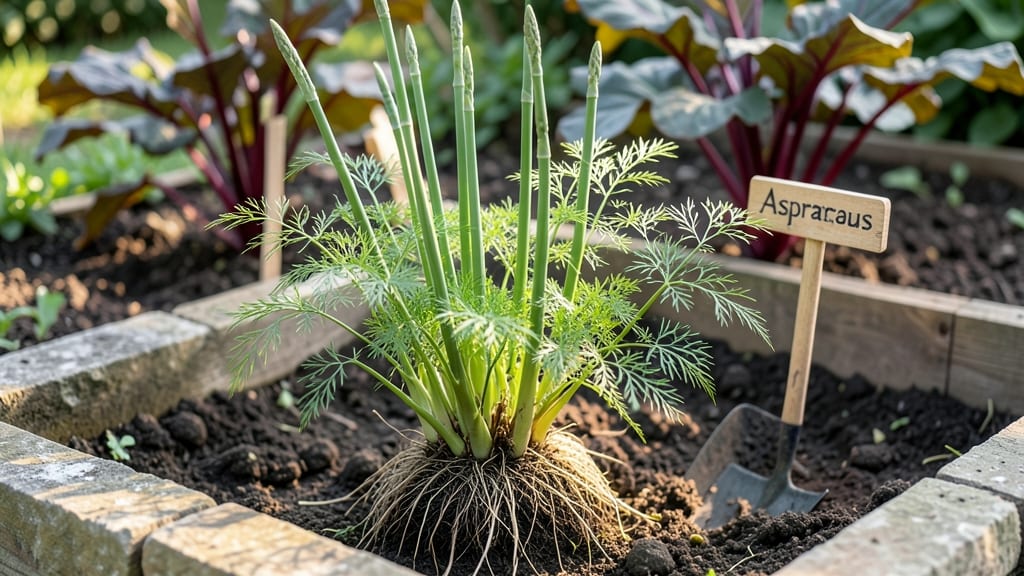
Some vegetables are indeed any perennials, meaning they regrow each year with the right care—like asparagus, rhubarb, and artichokes—which thrive in temperate climates and need only basic winter protection to bounce back.
These hardy plants survive winter by storing energy in their roots or crowns, then sending up new shoots in spring. 💛 Unlike annuals that die after harvest, perennials build resilience over time, making them low-maintenance once established.
I’ve seen asparagus crowns last over 15 years in my garden, while rhubarb’s thick stalks regrow reliably after cutting back each spring.
What sets them apart is their deep root systems that anchor them through frost and drought. Most prefer well-drained soil and full sun, though some like leafy greens tolerate partial shade. The key is protecting their crowns from extreme cold—mulching with straw or leaves works wonders.
💡 In This Article
- How Perennial Vegetables Survive Year-Round
- Best Perennial Vegetables for Home Gardens
How perennial vegetables survive year-round
The secret to perennial vegetables lies in their underground storage systems. Unlike annuals that complete their lifecycle in one season, perennials like asparagus develop thick, fleshy roots or crowns that store carbohydrates and nutrients. These energy reserves fuel regrowth each spring, even after harsh winters.
For example, asparagus crowns can reach 12-18 inches deep and contain multiple buds that sprout new shoots when temperatures rise above 50°F. 🌱
Botanically, these plants enter dormancy—a survival strategy where growth slows dramatically in cold months. During dormancy, their metabolic rate drops by up to 90%, conserving energy while still maintaining cellular integrity. Rhubarb, for instance, stores nutrients in its thick, fibrous roots that can withstand -20°F temperatures.
The key difference from annuals is that perennials never fully die back—their root systems remain alive, ready to push new growth when conditions improve.
Hardiness zones play a crucial role in their survival. Most edible perennials thrive in USDA zones 3-9, where winters are cold but not extreme. Asparagus, for example, performs best in zones 3-10, while artichokes prefer milder zones 7-10.
The plants' ability to regrow depends on protecting their crowns from freezing—mulching with 4-6 inches of straw can raise soil temperatures by 5-10°F, making all the difference in marginal zones.
Another fascinating adaptation is their root architecture. Perennial vegetables often develop extensive fibrous roots that spread horizontally, creating a network that stabilizes the plant and accesses moisture from deeper soil layers. This contrasts with annuals that focus energy on quick above-ground growth.
The deeper roots also help perennials withstand drought better once established—something I’ve observed with my 10-year-old horseradish patch that thrives on minimal summer watering.
Light exposure triggers their annual cycle. Most perennials need 6-8 hours of full sun daily to build sufficient energy reserves. When daylight increases in late winter, the crowns detect this change and begin producing hormones that stimulate shoot growth.
This photoperiod response ensures they time their regrowth perfectly with spring conditions. Without adequate light, their energy reserves deplete, leading to weak or stunted growth the following year.
What most gardeners don't realize is how these plants "learn" from year to year. Each growing season, they allocate more energy to root development, making them increasingly resilient. My 5-year-old asparagus bed now produces 30% more spears annually than when I first planted it, demonstrating this progressive improvement.
This makes them incredibly rewarding for patient gardeners willing to invest the initial establishment period.