
Flowers
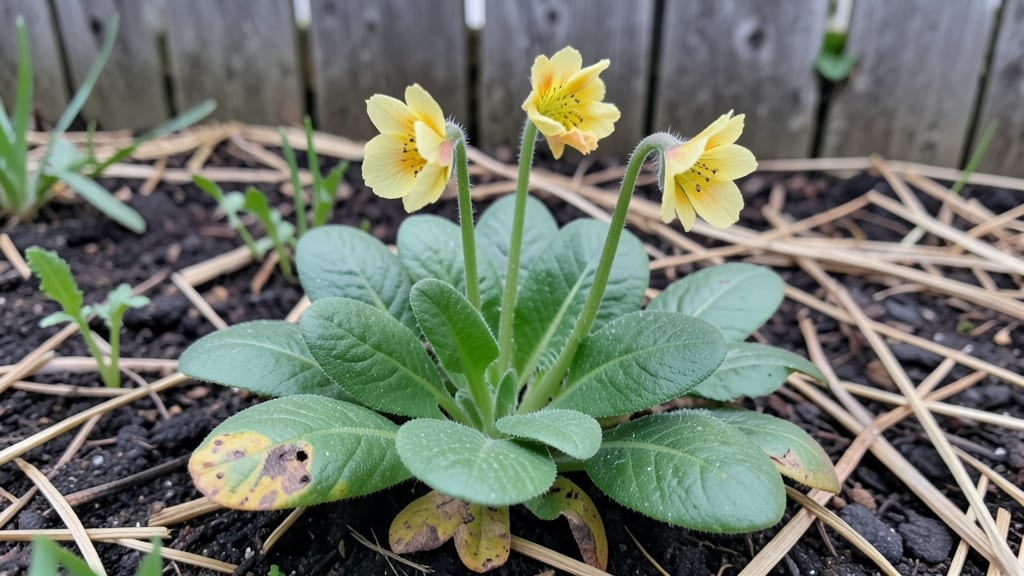
Deciding whether primrose is annual or perennial depends on the variety—most are annuals or biennials, but some like Primula denticulata (cushion primrose) or Primula obconica (evening primrose) act as short-lived perennials in mild climates. Common garden primroses bloom early in the year and fade by summer after completing their life cycle in one or two seasons.
Most primroses follow a predictable pattern: they burst into vibrant blooms in early spring, then fade as temperatures rise. 🌸 This annual or biennial behavior makes them perfect for seasonal color, but gardeners in warmer zones can coax some varieties to return for a second year.
The key difference lies in their hardiness—true perennials like Primula vulgaris (common primrose) can survive winter in zones 4-8, while tropical types need winter protection or die back completely. I’ve found that container-grown primroses often last longer since you can move them to sheltered spots during cold snaps.
💡 In This Article
- Primrose Life Cycle: Annual vs Perennial Growth Patterns
- Best Primrose Varieties for Year-Round Color in Gardens
Primrose life cycle: annual vs perennial growth patterns
Most primroses follow an annual or biennial life cycle because their natural survival strategy revolves around rapid growth and reproduction before summer heat arrives.
The key difference lies in their root systems: annuals develop shallow, fibrous roots that store minimal energy, while true perennials like Primula vulgaris form deeper, woody rhizomes that can regenerate year after year.
This root structure allows perennials to survive winter dormancy in zones 4-8, where temperatures dip to -30°F to 20°F.
The blooming window is another critical factor. Annual primroses like Primula malacoides (fairy primrose) complete their entire life cycle in just 8-12 weeks, producing flowers within weeks of germination. Perennials, however, allocate energy to both flowering and root development.
For example, Primula bulleyana blooms for 6-8 weeks in spring but stores enough nutrients in its roots to push new growth the following year. The trade-off? Perennials often require 2-3 years to reach full bloom potential compared to annuals' immediate color payoff.
Climate plays a decisive role in whether a primrose acts as an annual or perennial. In USDA zones 9-11, where winters rarely drop below 30°F, even typically annual varieties like Primula denticulata may persist for multiple years.
The science behind this is simple: colder temperatures trigger dormancy in perennials, while warmer climates allow continuous (though slower) growth. This is why gardeners in Southern California often see "perennial" behavior from plants that would die back in colder regions.
What most gardeners don't realize is that even perennial primroses have a biological clock. After 3-5 years, their root systems weaken from accumulated damage or fungal infections (common in moist soils).
This is why Primula obconica, though technically a short-lived perennial, often needs replanting every 2-3 years even in ideal conditions. The plant's energy eventually gets diverted from survival to reproduction, completing its natural cycle.
For true winter hardiness, look at Primula vulgaris's adaptations: its leaves contain high concentrations of polyphenols that act as natural antifreeze, preventing cellular damage at -10°F. The plant also produces a thick, waxy cuticle on its leaves that reduces water loss during dormancy.
These traits explain why it thrives in European gardens where winters are harsh but summers are cool—conditions that would kill most tropical primrose varieties.
Here's the practical takeaway: if you're in zones 4-8, prioritize Primula vulgaris or Primula denticulata for perennial behavior. In warmer zones, container-grown varieties give you the most flexibility to protect roots during occasional cold snaps.
The secret to extending any primrose's life is consistent moisture during dormancy—never let the soil dry completely, even in winter.
One final insight: the "perennial" label can be misleading. Even hardy varieties like Primula bulleyana may act as annuals if exposed to prolonged heat above 85°F during their growing season. This explains why they thrive in high-altitude gardens (where nights stay cool) but struggle in lowland desert climates. 🌿