
Plants
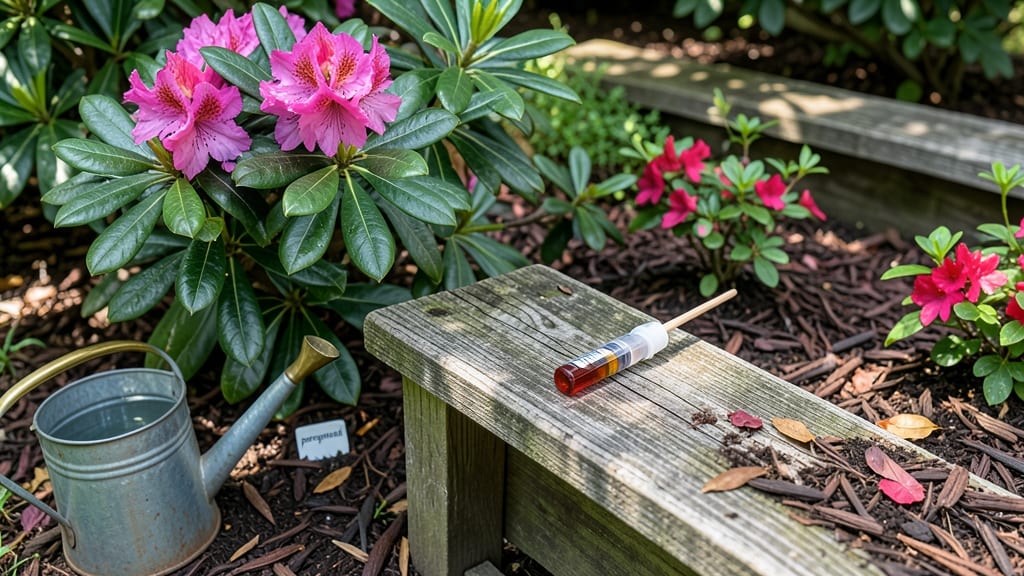
Deciding whether azalea plants are annual or perennial depends on your climate: they thrive as perennials in warm regions but are often treated as annuals in colder areas due to frost sensitivity. Cold-hardy varieties like rhizomatous azaleas can survive winter with proper care, while others need seasonal replanting or container overwintering.
Azalea plants are perennial in their native warm climates but face challenges in colder regions where freezing temperatures can kill tender growth. 🌱 The key difference lies in their root systems and wood hardness—true perennials like Rhododendron canadense have deeper roots that protect them, while many ornamental azaleas lack this resilience.
In zones below USDA Zone 7, gardeners often dig up potted azaleas or mulch heavily to prevent winter damage.
For those in colder climates, selecting cold-hardy varieties like Rhododendron carolinianum or Rhododendron groenlandicum makes all the difference. These types can withstand down to -30°F with proper winter protection, while tender species may need to be overwintered indoors.
The choice between treating them as annuals or perennials comes down to your local frost dates and how much effort you're willing to invest in seasonal care.
💡 In This Article
- Why Most Azaleas Die in Winter (And How Cold-Hardy Varieties Survive)
- Best Ways to Overwinter Azaleas in Cold Climates
Why most azaleas die in winter (and how cold-hardy varieties survive)
The core reason azaleas struggle in winter is their tender wood structure, which lacks the protective lignin layers found in true perennials like oaks or maples. Most ornamental azaleas (Rhododendron species) evolved in subtropical climates where temperatures rarely drop below 20°F.
Their delicate stems contain high moisture content—around 60-70% water—which freezes and ruptures cell walls when exposed to below 25°F for extended periods. 🌡️ This is why even a single hard freeze can turn vibrant spring blooms into crispy brown skeletons by winter's end.
True perennial azaleas, like Rhododendron canadense (wild azalea) or Rhododendron groenlandicum, develop woody rhizomes—thick, underground stems that store starches and act as insulation. These varieties can survive down to -30°F because their root systems remain active year-round, continuously producing new growth from protected buds.
The difference is stark: while tender azaleas lose all above-ground biomass in winter, cold-hardy types simply go dormant, emerging from the same roots each spring.
USDA hardiness zones provide a clear guideline: azaleas thrive as perennials in Zones 7-10, where winters rarely drop below 0°F. In Zones 5-6, even cold-hardy varieties need protection, while gardeners in Zones 3-4 must treat most azaleas as annuals or use container overwintering.
The transition zone (Zone 7) is particularly tricky—here, a single late frost can devastate plants that survived the winter just fine. 🌿 This explains why nurseries often label azaleas as "tender perennials" in colder regions.
Another critical factor is root depth. Tender azaleas develop shallow root systems (12-18 inches deep), making them vulnerable to frost heave—when soil freezes and expands, lifting roots out of protective ground.
Cold-hardy types, however, send roots 3-4 feet deep, accessing warmer soil layers and insulating the crown. This is why mulching with 6-8 inches of organic matter (like wood chips) can raise soil temperatures by 5-10°F during winter.
What most gardeners overlook is the timing of dormancy. Azaleas enter dormancy in late fall when nights consistently drop below 40°F, but their buds remain vulnerable until spring.
A sudden warm spell followed by a freeze—common in Zone 6-7—can trick plants into breaking dormancy too early, leaving them exposed to late-season frost damage. This explains why even "winter-hardy" azaleas sometimes fail in marginal climates. 🧊
For visual comparison, imagine two azalea plants side by side: one with green, flexible stems (tender) and one with brown, woody stems (cold-hardy). The tender type will wilt and die back to the ground in winter, while the hardy type may lose leaves but retains its structure.
This physical difference is your first clue about whether a variety will survive your local winters. The key takeaway? Root system and stem woodiness determine whether your azalea will return year after year or need replanting each spring.