
Flowers
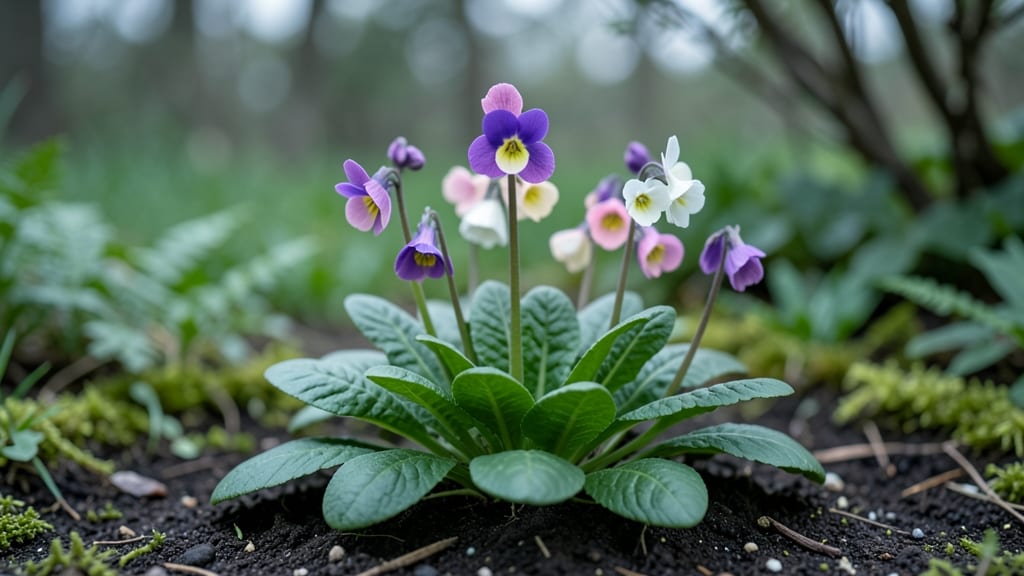
Primroses are perennials in most climates, returning yearly from underground rhizomes or crowns, though some varieties behave as short-lived perennials or even biennials depending on species and growing conditions.
Most primroses thrive as perennials because they store energy in their underground rhizomes or crowns, allowing them to regrow each spring. 🌱 However, factors like winter temperatures and soil conditions can turn some into short-lived perennials or biennials—meaning they may only last 2-3 years before fading.
For example, English primrose (Primula vulgaris) reliably returns annually in USDA zones 4-8, while cowslips (Primula veris) might struggle in colder regions without protection. The key difference lies in how each species handles dormancy and root development.
If you're planning a garden, choose varieties known for their hardiness in your zone. Cushion primroses often perform better in warmer climates, while polyanthus types tend to be more adaptable. Mulching in late fall can help extend the life of marginal perennials by insulating their roots during winter.
Remember, even "biennial" primroses may self-seed, giving you new plants for future seasons!
💡 In This Article
- How Primrose Rhizomes and Growth Habits Define Their Perennial Nature
- Choosing the Right Primrose Varieties for Year-Round Gardens
How primrose rhizomes and growth habits define their perennial nature
Primroses rely on specialized underground structures called rhizomes or crowns to store nutrients and survive winter dormancy. These structures contain meristematic tissues—undifferentiated cells capable of generating new shoots—allowing the plant to regrow each spring.
For example, Primula vulgaris (English primrose) develops a thickened crown that can withstand temperatures down to -20°F in sheltered conditions, while Primula denticulata (cushion primrose) forms fibrous rhizomes that prefer milder winters (15-25°F).
The difference lies in their root architecture: crowns are more compact and better insulated, while rhizomes spread horizontally for stability.
The perennial cycle begins in late summer when primroses enter dormancy, halting leaf production but maintaining root activity.
This phase lasts until spring when rising temperatures trigger meristem reactivation. Cold hardiness varies dramatically: Primula veris (cowslip) thrives in USDA zones 3-8, while tropical primroses (like Primula obconica) die back in below 40°F conditions.
The key is understanding each species' chilling requirement—some need 6-8 weeks below 45°F to break dormancy, while others flower without it. This explains why some primroses appear perennial in warm climates but behave as annuals in colder regions.
What most gardeners overlook is how soil moisture affects rhizome development. Primroses with fibrous roots (like Primula denticulata) need consistently moist but well-drained soil to prevent rot, while crown-forming species (like Primula vulgaris) tolerate brief dry spells.
The rhizome's ability to regenerate depends on reserve carbohydrate levels—plants deprived of sunlight or nutrients during growth produce weaker storage organs, leading to shorter lifespan. This is why primroses in full shade often revert to biennial behavior, flowering once before fading.
Consider these growth habit distinctions when selecting varieties:
- True perennials: Primula vulgaris (English primrose) with thick crowns that regrow annually
- Short-lived perennials: Primula denticulata (cushion primrose) lasting 3-5 years before declining
- Biennial tendencies: Primula obconica that may self-seed but rarely survives winters below 30°F
The science behind this involves apical dominance—the primary growing point's control over lateral shoots. In primroses, this dominance weakens during dormancy, allowing multiple buds to emerge simultaneously in spring. This clustered growth pattern is why primroses often form dense mats, a survival strategy that maximizes sunlight capture.
The trade-off? Overcrowding can lead to disease if airflow is restricted—a common reason primroses fail to return year after year. 🌱
For gardeners in marginal climates, the solution lies in microclimate management. Planting primroses near south-facing walls or under deciduous trees creates a 5-10°F warmer zone during winter, extending their lifespan.
Mulching with 3-4 inches of organic matter (like shredded leaves) insulates crowns and rhizomes, preventing freeze-thaw cycles that damage plant tissues. This simple technique can transform a biennial primrose into a reliable perennial in just one season.