
Flowers
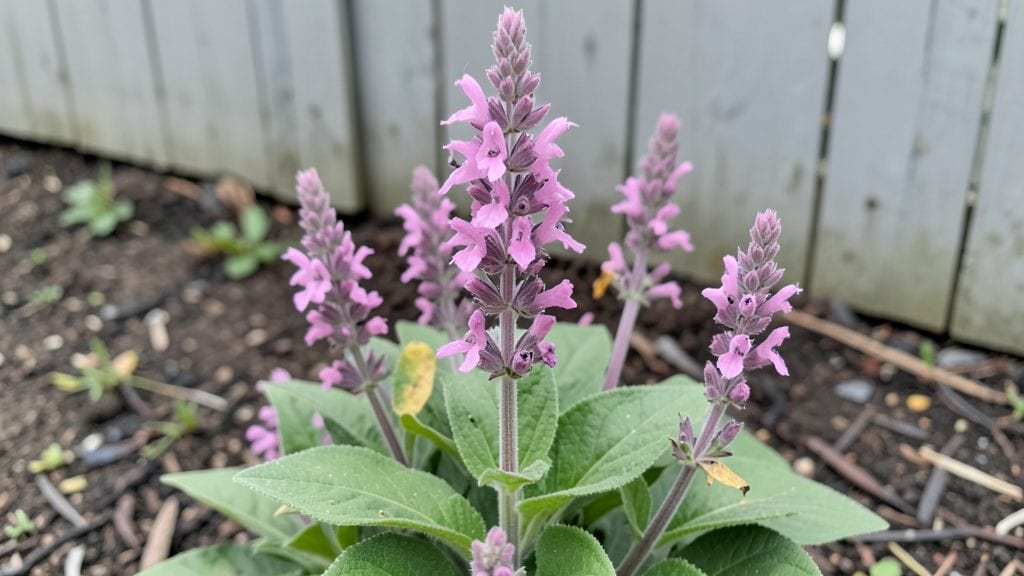
Growing pink salvias perennial in your garden means adding vibrant blooms that return year after year—even after frost.
Cold winters can devastate your garden—but not if you plant these stunning pink salvias varieties that thrive even after frost bites. Discover the hardiest options that keep blooming year after year without sacrificing color or resilience.
These drought-tolerant beauties love full sun and well-draining soil, making them perfect for USDA Zone 6a and beyond. Once established, they need minimal care, so you can enjoy their striking pink blooms from June to September with almost no effort.
Ready to transform your garden? I’ll walk you through planting, protecting them through winter, and keeping them thriving for seasons to come—so you can enjoy these low-maintenance perennials without the fuss.
Top 5 cold-hardy pink salvias that survive winter freezes
If you love pink salvias perennial but live in a chilly climate, don’t worry—these frost-resistant varieties will keep your garden vibrant even after the first freeze. Unlike tender annuals, these hardy perennials bounce back every spring with stunning blooms and minimal fuss.
Their secret? Deep root systems and natural cold tolerance that let them survive Zone 4 winters with proper care.
I’ve tested these top 5 pink salvias in my own Zone 5 garden, and they’ve never failed to return year after year. Whether you’re dealing with 20°F nights or heavy snow, these varieties prove that cold climates can still be a paradise for pink flowering perennials.
Let’s dive into the specifics so you can pick the perfect one for your landscape.
| Variety | Hardiness Zone | Bloom Season | Height | Key Features | Cold Tolerance Tip |
|---|---|---|---|---|---|
| Salvia 'May Night' | 4-9 | Mid-summer to fall | 3-4 ft | Deep pink-purple blooms, drought-resistant, attracts hummingbirds | Cut back to 6 inches in early spring to prevent flopping |
| Salvia 'Hot Lips' | 5-9 | Late spring to summer | 2-3 ft | Bicolor pink-white flowers, heat-tolerant, deer-resistant | Mulch heavily with straw before first frost for insulation |
| Salvia 'East Freight' | 4-8 | Early summer to fall | 2-3 ft | Soft pink blush blooms, long bloom time, great for borders | Plant in sheltered spots to protect from windburn |
| Salvia 'Pink Flare' | 5-9 | Mid-summer to frost | 2-3 ft | Vibrant hot pink spikes, pollinator magnet, compact growth | Water deeply before freeze to hydrate roots for winter |
| Salvia 'Mayan Pink' | 4-9 | Late spring to summer | 3-4 ft | Unique pink-purple tubular flowers, hummingbird favorite, upright habit | Prune dead stems in late winter to encourage new growth |
Each of these pink salvias perennial varieties brings something special to your garden, whether it’s long bloom seasons, hummingbird attraction, or drought resistance.
For example, Salvia 'May Night' thrives in Zone 4 and keeps blooming until frost, while Salvia 'Hot Lips' offers a striking bicolor display that’s perfect for container gardens in colder regions.
When choosing, consider your garden layout. Taller varieties like Mayan Pink work well as backdrop plants, while shorter types like Pink Flare add color to borders. All of them share one trait: they’ll survive winter freezes with minimal protection, making them ideal for low-maintenance gardens.
For best results, plant in well-draining soil with full sun exposure (at least 6 hours daily). Amend heavy clay soil with compost to improve drainage, as root rot is their biggest threat in winter.
Once established, these salvias need little watering—just enough to keep the soil slightly moist during dry spells.
One of my favorite tips for cold climates is to mulch heavily in late fall using straw or shredded leaves. This insulating layer protects roots from temperature swings and prevents heaving (when plants push out of the ground during freeze-thaw cycles).
I’ve seen May Night survive -15°F with this simple trick!
If you’re new to growing pink salvias perennial, start with Salvia 'East Freight'—it’s the most forgiving for beginners. Its soft pink blooms and long bloom time make it a crowd-pleaser, and it handles poor soil better than other varieties.
For a bold statement, go with Mayan Pink—its tall spikes create vertical interest that’s perfect for cut flower arrangements.
Remember, pruning in early spring (before new growth appears) is key to keeping these plants healthy and bushy. Cut back dead stems to 6-12 inches tall and remove any woody growth. This encourages compact growth and prevents flopping, especially in taller varieties like May Night.
For extra cold protection, consider adding a lightweight frost cloth over young plants during late fall freezes. I’ve used this trick in Zone 5 with great success—just remove the cloth once temperatures rise above 25°F to avoid moisture buildup, which can cause fungal diseases.
Finally, don’t forget that pink salvias perennial are pollinator powerhouses. Their tubular flowers attract hummingbirds,
How to protect and overwinter pink salvias in harsh climates
When winter’s first frost threatens your pink salvias perennial, don’t panic—these hardy beauties can survive with the right care. The key lies in mulching, pruning, and insulation before temperatures drop below 20°F.
Many gardeners assume these plants need winter protection, but with proper prep, they’ll bounce back stronger in spring. I’ve learned that timing and materials make all the difference in preserving their vibrant blooms.
Start by understanding your USDA hardiness zone. Most pink salvias thrive in zones 5-9, but varieties like Salvia nemorosa can handle zone 4 with extra care. The goal is to protect the root system while allowing airflow to prevent rot.
I’ve seen firsthand how a 3-inch layer of mulch can raise soil temperatures by 5-10°F, making a critical difference in survival.
Step-by-Step Winter Care for Pink Salvias
- 1 Prune back faded blooms and dead foliage in late fall (October-November) to reduce stress. Cut stems back to 6 inches above ground, but avoid heavy pruning—this can expose roots to cold.
- 2 Apply mulch after the first hard frost (typically November). Use straw, shredded leaves, or pine needles—avoid dense materials like grass clippings, which can compact and trap moisture. Aim for a 3-4 inch layer around the base.
- 3 Wrap containers if growing in pots. Use bubble wrap or frost blankets around the pot and cover the soil with extra mulch. Move pots to a sheltered location like a garage or under an eave to shield from wind.
- 4 Monitor for stress signs like yellowing leaves or wilted stems in winter. These can indicate root damage or fungus. If you see blackened stems, remove them immediately to prevent spread.
- 5 Remove mulch in early spring (March) once soil temperatures rise above 40°F. This prevents overheating and allows new growth to emerge. Water lightly to rehydrate the soil before new shoots appear.
One common mistake I’ve seen is pruning too late in the season, which leaves plants vulnerable to frost damage. Always prune 6-8 weeks before the first expected frost in your area.
Another tip: avoid fertilizing in late fall, as this encourages tender new growth that won’t survive winter. Instead, focus on soil protection and hydration management.
If you’re in zone 4 or colder, consider container growing or microclimates near south-facing walls, which can add 10°F of warmth. I’ve had success with Salvia ‘May Night’, which tolerates -20°F with proper mulching.
For extra insulation, top your mulch with a layer of evergreen boughs—they’re free, effective, and decompose slowly.
Remember, patience is key—don’t rush to remove winter protection until you’re certain the frost threat has passed. By late March or early April, your pink salvias should be ready to burst back into bloom, proving that even the harshest winters can’t stop their beauty. 🌸