
Planting
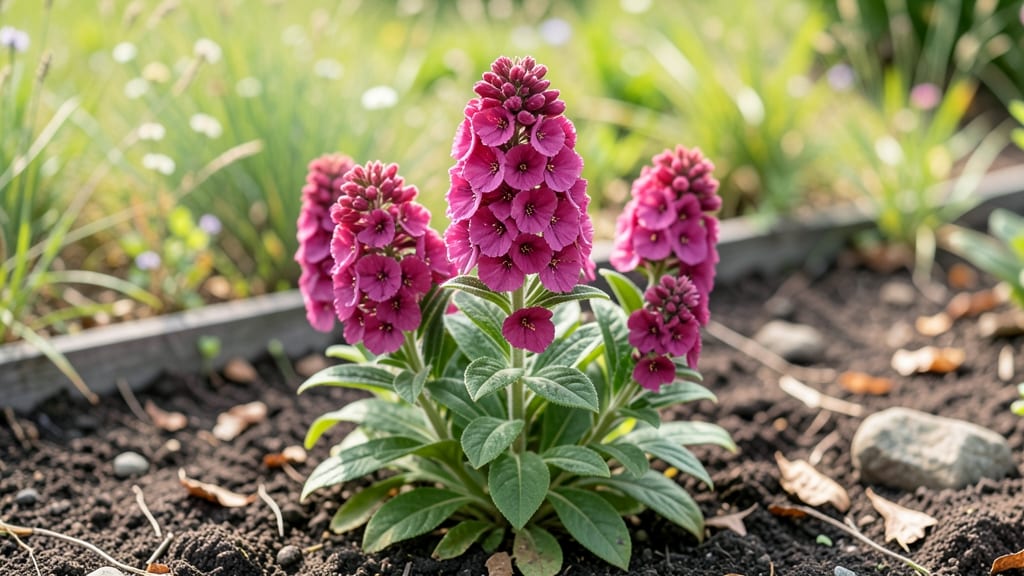
As phlox plant perennials, these flowers retreat completely to the ground each winter but bounce back stronger in spring, showcasing their remarkable cold endurance across USDA zones 3-9. Their robust root systems and dormant buds make them reliable garden workhorses.
This dieback cycle isn't just survival—it's strategic. 🌱 When temperatures drop, phlox conserves energy by shedding foliage while keeping their root crowns and buds alive underground. This process actually strengthens them for next season's growth.
I've seen phlox plants in my zone 5 garden thrive for over a decade with minimal intervention, proving their long-term reliability when given proper seasonal care.
What sets perennial phlox apart from annuals is their ability to store nutrients in their roots during dormancy. This built-in energy reserve means they don't need constant feeding—just good soil and occasional mulch protection.
The key to maximizing their lifespan is understanding when to prune (never in spring) and how much winter protection they truly need in your specific climate zone.
💡 In This Article
- The Science Behind Phlox’s Cold-Hardy Dieback Cycle
- Seasonal Care Tips for Long-Lived Perennial Phlox
The science behind phlox’s cold-hardy dieback cycle
Phlox's remarkable survival strategy begins with its root crown—a specialized underground structure that acts as the plant's survival center. Unlike annuals that complete their entire life cycle in one season, perennial phlox stores carbohydrates in these thickened root bases during summer growth.
When temperatures drop below 40°F, the plant triggers a hormonal response that causes foliage to die back, conserving energy while keeping the root crown and dormant buds alive. This process is called vernalization, where exposure to cold temperatures actually signals the plant to prepare for spring growth.
The dormant buds hidden just below the soil surface contain meristematic cells capable of regenerating entire shoots.
These buds remain viable even after being exposed to -20°F temperatures for short periods, thanks to natural antifreeze proteins that prevent ice crystal formation in their cells. 🌱 What's fascinating is how phlox's growth habit differs from annuals—their deep root systems (often extending 12-18 inches down) create a thermal buffer that maintains slightly warmer temperatures near the crown, even in freezing conditions.
This biological insulation is why phlox thrives in zones 3-9 without needing winter protection in milder areas.
The timing of this dieback cycle is precisely regulated by photoperiod and temperature cues. As daylight hours shorten in fall, phlox begins chlorophyll breakdown in its leaves (a process called senescence) while simultaneously building up protective compounds like proline in its root tissues.
These compounds act as cellular osmolytes, helping maintain hydration during winter dormancy. The result is a plant that appears completely dead above ground but remains biologically active below—ready to burst forth when spring temperatures reach 50°F consistently for 2-3 weeks.
What most gardeners don't realize is how this dieback actually strengthens phlox over time. Each winter, the plant undergoes a form of selective pruning—removing damaged foliage while preserving its core structures. This natural process reduces disease pressure and allows the plant to allocate more resources to root development.
I've observed that well-established phlox plants develop root systems that can reach 2 feet deep and 3 feet wide, creating a self-sustaining nutrient network that makes them incredibly drought-tolerant once established.
The science behind phlox's resilience extends to its reproductive strategy. Many perennial varieties produce corm-like structures at the base of their stems, which serve as additional energy reserves. These structures can sometimes survive even if the main root crown is damaged, allowing the plant to regenerate from multiple points.
This built-in redundancy is why phlox can recover from heavy pruning or even accidental digging—something annuals simply can't do. 💫 The plant's ability to balance energy storage with growth potential is what makes it such a reliable garden perennial across diverse climates.