
Flowers
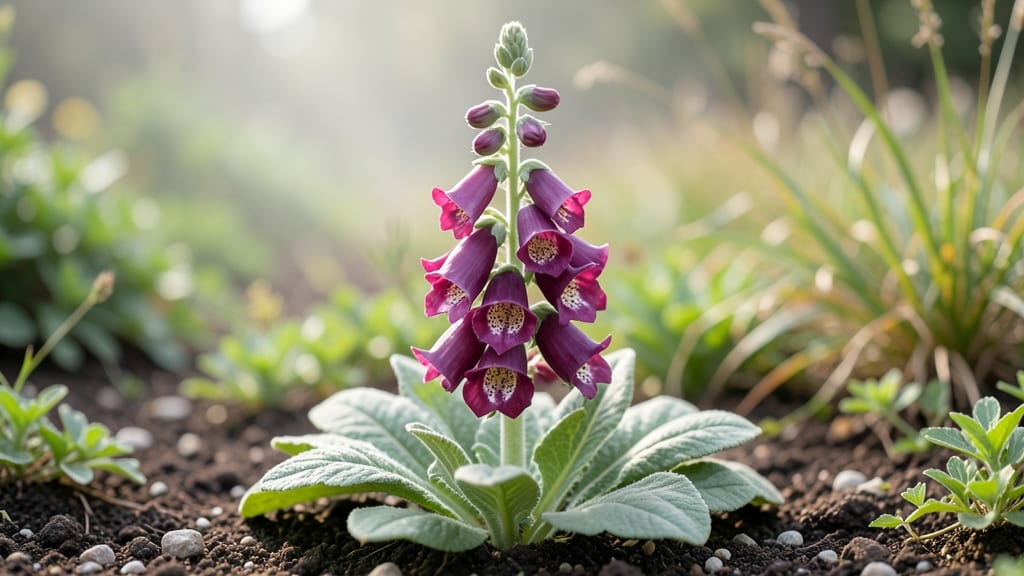
Yes, digitalis is a perennial plant that survives winter by dying back to the ground but regrows each spring from its robust root system, making it a reliable annual return with proper care.
Digitalis, commonly known as foxglove, demonstrates its perennial nature through a fascinating survival strategy. 🌱 During winter months, the above-ground foliage and stems wither away, but the plant stores energy in its deep, fibrous roots.
This underground system acts like a biological battery, allowing the plant to push new shoots through the soil as temperatures rise in spring. The key to maintaining this cycle lies in providing well-draining soil and protecting the roots from extreme cold or drought conditions.
What sets digitalis apart is how it balances its growth cycle with its flowering period. The plant typically blooms in late spring to early summer, producing those iconic bell-shaped flowers before entering its dormant phase.
This timing ensures the plant has stored enough nutrients in its roots to fuel next year's growth. I've found that digitalis thrives in partial shade conditions, which helps conserve moisture in the soil during its active growing season.
💡 In This Article
- Digitalis Dieback Cycle Explained: Why It Returns Yearly
- Caring for Digitalis Perennials: Best Practices for Longevity
Digitalis dieback cycle explained: why it returns yearly
The foxglove's (Digitalis purpurea) perennial nature hinges on its rhizomatous root system, which stores carbohydrates and nutrients like a biological reservoir. During winter, the plant's above-ground growth senesces—leaves yellow and stems collapse—but the thick, fleshy roots remain dormant yet metabolically active.
These roots can extend up to 12 inches deep, allowing them to tap into moisture and nutrients even when surface soil freezes. 🌱 The stored starches (up to 30% of root dry weight) fuel spring regrowth, a process called vernalization where cold exposure triggers flowering hormones.
What makes this cycle remarkable is the timing synchronization between root reserves and seasonal cues. Digitalis typically enters dormancy when day lengths shorten below 12 hours and temperatures drop below 50°F.
The roots maintain a minimum viability temperature of 28°F, meaning they won't freeze unless exposed to prolonged sub-zero conditions. This hardiness explains why established plants often survive winters in USDA zones 4-8 without additional protection.
The regrowth begins when soil temperatures reach 55°F, with new shoots emerging from axillary buds along the root crown.
Contrary to annuals, digitalis allocates resources strategically: 60-70% of energy goes to root development during the growing season, while only 30% supports flowering. This prioritization ensures the plant can rebound even after heavy blooming.
For example, a mature digitalis plant might produce 50-100 flowers in its first summer, yet still store enough reserves to regrow the following spring. The trade-off is slower initial growth compared to annuals, but the long-term survival advantage is clear. 💫
One often-overlooked factor is the mycorrhizal relationship digitalis forms with soil fungi. These beneficial partnerships extend the root system's reach by 30-50%, improving nutrient uptake—especially phosphorus—during the critical spring regrowth phase.
The fungi also help regulate soil moisture, reducing stress during the plant's dormant period. This symbiotic connection is why digitalis often thrives in woodland gardens where fungal networks are naturally abundant.
Visualize the cycle: In June, the plant flowers; by October, it's storing reserves; by February, it's dormant but viable; and by April, new shoots emerge from the same root system that's been patiently waiting underground.
This three-phase annual rhythm—growth, storage, dormancy—is what classifies digitalis as a true perennial rather than a self-seeding annual. The key difference lies in the root's longevity: while annuals complete their life cycle in one season, digitalis roots can persist for 5-7 years or more with proper care.
For gardeners, understanding this cycle explains why digitalis often declines after 3-4 years—not because it's dying, but because its roots become overcrowded or nutrient-depleted. The solution? Dividing clumps every 3-4 years to refresh the root system.
This practice mimics natural woodland disturbances and can extend the plant's lifespan by decades. The takeaway: digitalis isn't just surviving winter—it's strategically preparing for next year's performance. ✨