
Shrubs
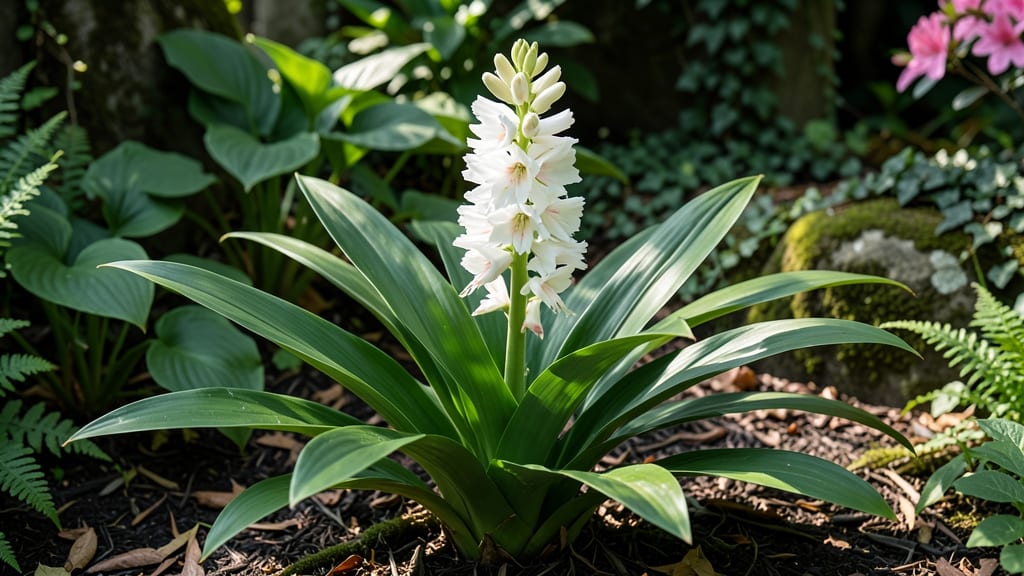
Yes, flowering ginger is a perennial that dies back annually but regrows from its rhizomes each spring, making it a hardy, long-lived plant ideal for gardeners seeking seasonal blooms without replanting.
Flowering ginger thrives as a perennial because its underground rhizomes act like natural storage units, preserving energy and nutrients through winter dormancy. 🌱 Unlike annuals that complete their life cycle in one season, flowering ginger "resets" each year, emerging stronger with proper care.
This dieback-and-regrowth pattern is why it’s prized in gardens—just cut back the foliage in fall, and fresh shoots will appear by spring.
What sets it apart is its resilience: even in colder climates (down to USDA Zone 7 with protection), the rhizomes survive to produce those iconic tropical blooms year after year. The key to maintaining this cycle?
Mulching in winter and dividing clumps every few years to prevent overcrowding. With minimal effort, you’ll get decades of vibrant foliage and dramatic flowers—without the hassle of replanting.
💡 In This Article
- Flowering Ginger’s Unique Dieback and Regrowth Cycle
- How to Care for Flowering Ginger as a Perennial Plant
Flowering ginger’s unique dieback and regrowth cycle
Flowering ginger (like Hedychium or Alpinia species) survives winter through a clever biological strategy: its rhizomes—thick, horizontal underground stems—act as living batteries. These rhizomes store starches and sugars produced during the growing season, which fuel regrowth when temperatures rise.
Think of them as nature’s hard drive, preserving genetic instructions and energy reserves until conditions are favorable again. 🌱 Unlike annuals that rely on seeds, flowering ginger’s rhizomes ensure continuity, allowing the plant to persist for decades with minimal intervention.
The dieback process begins as temperatures drop below 50°F in fall, triggering dormancy. The above-ground foliage yellows and collapses, but the rhizomes remain alive underground, entering a state of metabolic slowdown. This dormancy isn’t death—it’s a survival mechanism.
Studies show rhizomes can maintain viability for years if kept in stable, cool conditions (around 40-50°F), though they’ll regrow most vigorously when exposed to 60°F+ soil temperatures in spring. The deeper the rhizomes are planted (2-3 inches below soil), the better they insulate against temperature fluctuations.
What makes flowering ginger’s cycle unique is how it returns stronger each year. The stored energy in rhizomes isn’t just for survival—it’s an investment in future growth. When new shoots emerge in spring, they tap into these reserves, resulting in more robust foliage and larger blooms than the previous season.
This is why gardeners often see their flowering ginger plants double in size over 3-5 years, provided they’re not overcrowded. The trade-off? Without proper care, the rhizomes can become overburdened, leading to weaker regrowth—a problem easily solved by division every 2-3 years.
Climate plays a critical role in this cycle. In warmer zones (USDA Zones 8-11), flowering ginger may retain some foliage year-round, but even here, a partial dieback often occurs during cooler months.
In colder regions (Zones 6-7), protection is essential: mulching with 4-6 inches of straw or leaves can raise soil temperatures by 5-10°F, preventing rhizome damage. The science here is simple—warmer soil = less stress on the plant’s energy reserves, ensuring a more dramatic comeback each spring.
One fascinating detail is how flowering ginger’s blooms emerge from the rhizomes themselves, not the stems. Each flower stalk grows directly from a node on the rhizome, which means even if the above-ground plant dies back completely, the rhizome’s "memory" of where to produce flowers remains intact.
This is why you’ll often see multiple bloom stalks appearing in a single season—each one a testament to the rhizome’s stored energy being converted into vibrant, eye-catching flowers. 🌸 The more energy stored, the more dramatic the display.
For gardeners, this cycle means planning ahead. Pruning back dead foliage in late fall isn’t just tidy—it redirects the plant’s energy toward rhizome storage. Meanwhile, fertilizing in early spring (with a balanced 10-10-10 formula) gives those emerging shoots a nutrient boost.
The result? A perennial that rewards patience with decades of low-maintenance beauty, proving that sometimes, the most resilient plants are the ones that seem to disappear—and then return stronger than ever.