
Flowers
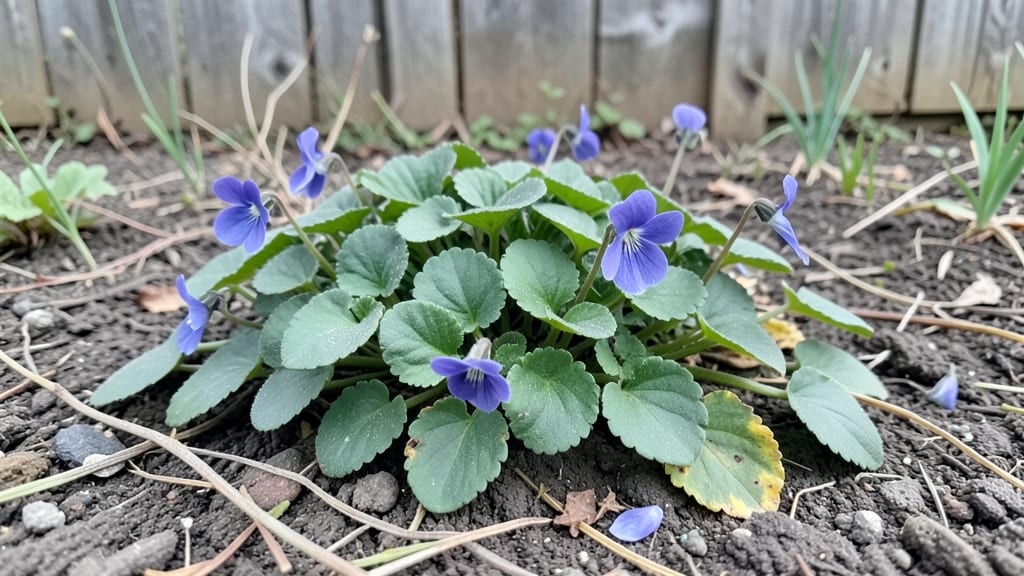
Growing a perennial violet plant 💜 is like unlocking a secret garden for shade lovers—these tiny blooms thrive where most flowers refuse to shine.
If you love vibrant blooms but struggle with sunny garden spots, the perennial violet plant could be your secret weapon—thriving in shade while delivering months of colorful flowers. But how do you coax these delicate beauties to bloom year after year?
Unlike sun-hungry plants, violets flourish in partial shade, making them perfect for under trees or north-facing beds. With the right soil, watering, and a little pruning know-how, you can enjoy their cheerful faces from spring through fall.
In this guide, I’ll walk you through everything from soil prep to propagation, so you can turn your shady spots into a year-round violet paradise—no green thumb required.
How to grow and care for perennial violet plants in shade
Perennial violets (Viola spp.) are nature’s answer to shady gardens, producing vibrant blooms where most plants struggle. Their secret? A mix of moist, well-draining soil and partial shade that mimics their woodland origins.
Unlike sun-loving annuals, these hardy perennials reward patience with months of continuous flowers—if you meet their basic needs.
What sets violets apart is their adaptability to low-light conditions. They thrive under dappled sunlight or in spots that receive 4-6 hours of morning sun followed by afternoon shade. This makes them ideal for woodland gardens, understory plantings, or even container gardens on shaded patios.
The key to their success lies in understanding their soil preferences, watering schedule, and seasonal care.
| Care Requirement | Specification |
|---|---|
| Soil Type | Rich, humusy, well-draining |
| pH Level | 6.0–7.0 (slightly acidic to neutral) |
| Sunlight Needs | Partial shade (4–6 hrs morning sun) |
| Watering Schedule | Deep soak weekly (bi-weekly in summer) |
| Fertilizer Type | Balanced 5-10-10 (spring only) |
| Mature Height | 3–5 inches (7–13 cm) |
| Bloom Season | Spring to fall (year-round in mild climates) |
| USDA Hardiness Zones | 3–9 (cold-hardy perennials) |
The first step to growing thriving violets is preparing the right soil. These plants prefer a rich, humusy mix that retains moisture but drains excess water. Amend your garden soil with compost or aged manure to create an ideal growing medium.
If your soil is heavy clay, mix in sand or perlite to improve drainage—violets hate soggy roots.
For container gardening, use a high-quality potting mix blended with peat moss or coconut coir to retain moisture. Add a slow-release fertilizer (like 5-10-10) at planting time to give your violets a nutrient boost. Remember, violets are light feeders, so over-fertilizing can burn their delicate roots.
Watering violets correctly is half the battle. They need consistent moisture but despise soggy conditions. Water deeply once a week during the growing season, ensuring the top 1–2 inches of soil stay moist.
In summer, reduce to bi-weekly watering to prevent fungal diseases like powdery mildew. Always water at soil level to avoid wetting the leaves, which can invite pests.
When it comes to light requirements, violets are flexible but prefer bright indirect light. Place them in spots that receive morning sunlight and afternoon shade, such as under deciduous trees or on east-facing garden beds.
Avoid deep shade, which can lead to leggy growth and fewer blooms. If growing indoors, position them near an east-facing window for optimal light.
Seasonal care keeps your violets blooming year after year. In spring and fall, focus on deadheading spent flowers to encourage more blooms. Apply a light fertilizer in early spring to support new growth.
During summer heat, violets may go dormant—reduce watering and avoid fertilizing. In winter, mulch around the base to protect roots from freezing temperatures.
Propagation is easy—most gardeners divide mature clumps in early spring or fall. Simply dig up a clump, separate the leafy rosettes, and replant them in fresh soil. You can also grow violets from seeds, though it takes longer for them to bloom.
Sow seeds in well-draining soil and keep them moist until germination, which typically occurs in 2–4 weeks.
Watch for common pests like slugs, aphids, or spider mites. Slugs love young violet leaves, so set out beer traps or copper barriers in vulnerable areas. For aphids, spray plants with a soapy water solution or introduce ladybugs as natural predators.
Best perennial violet varieties for year-round color in shady gardens
Not all perennial violets are created equal—some varieties bloom like wildfire in spring while others stretch their show into fall.
If you want year-round color in your shady garden, you’ll need the right Viola species. Viola sororia (common blue violet) is my go-to for early spring blooms, but Viola labradorica (labrador violet) steals the show in cooler months with its fragrant purple flowers.
For fragrance lovers, Viola odorata (English sweet violet) is a must—its sweet-scented blooms attract pollinators and fill shady spots with perfume. Meanwhile, Viola cucullata (hooded violet) offers a unique yellow-and-purple bicolor that stands out against dark foliage.
Each variety has its own bloom window and care quirks, so let’s dive into the best options for your shade garden.
If you want non-stop color, mix Viola sororia (spring) with Viola labradorica (summer/fall) for a seamless transition. For fragrance, Viola odorata is unmatched—just plant it near seating areas or pathways.
My personal favorite for woodland gardens is Viola cucullata, because its hooded blooms add whimsy to shady corners.
Pro tip: Most violets thrive in USDA Zones 3–9, but Viola odorata may need winter mulch in colder climates. For container gardening, choose compact varieties like Viola labradorica—they’ll spill beautifully over pot edges while staying contained.
Just remember: well-draining soil is non-negotiable to avoid root rot in these moisture-loving plants.
Ready to transform your shady spots? Start with two varieties—one for spring blooms and one for late-season color—and watch your garden stay vibrant from March through October. The key is consistent moisture and a little deadheading to encourage reblooming. Happy planting!
🌿