
Blooming
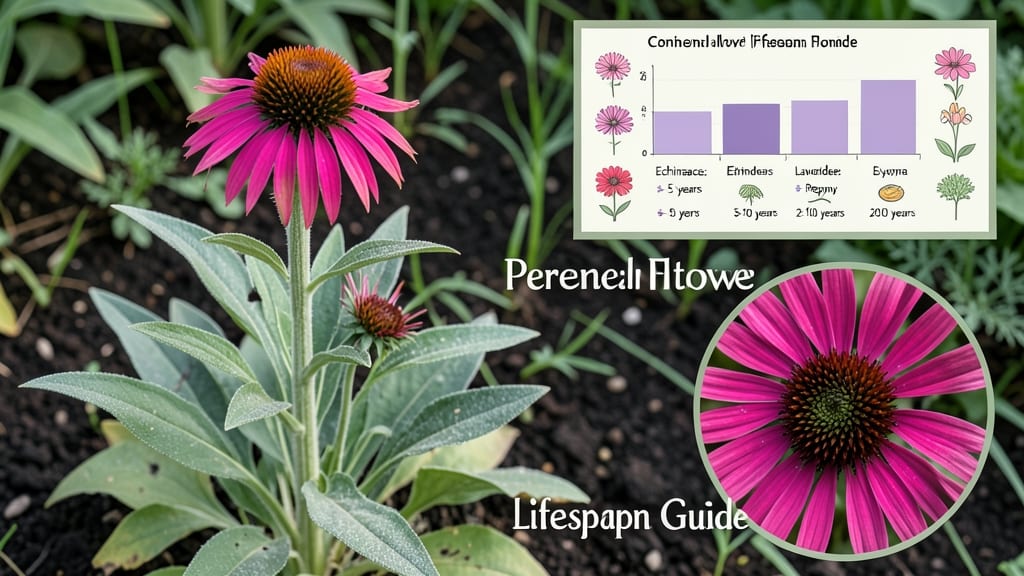
Perennial flowers last multiple years, typically blooming annually for 3–5 years or longer with proper care, though some varieties like peonies thrive for decades while others fade after 2–3 seasons. Cold-hardy species often return stronger each spring if deadheaded and mulched correctly.
Perennial flowers don't just survive—they can outlast annuals by years, sometimes even decades, when given the right conditions. 🌸 The secret lies in their root systems, which store energy underground to fuel regrowth each spring.
For example, peonies and daylilies are known for their longevity, often living 20+ years with minimal intervention, while delicate varieties like sweet william may only last 2–3 seasons.
What truly extends their lifespan is consistent care: regular deadheading to encourage reblooming, proper mulching to protect roots in winter, and well-draining soil that prevents rot.
Don't assume all perennials follow the same timeline—some, like hostas, can live for 50+ years in ideal conditions, while others, such as sweet alyssum, may only return for 1–2 seasons before needing replacement.
Your local climate plays a huge role too: cold-hardy varieties in Zone 5 might thrive where heat-sensitive ones in Zone 9 struggle. The key is matching plants to your region's growing conditions and giving them the right seasonal care.
💡 In This Article
- Perennial Flower Lifespan Factors: Climate, Care, and Species Traits
- Extending Perennial Bloom Life: Pruning, Deadheading, and Soil Strategies
Perennial flower lifespan factors: climate, care, and species traits
The lifespan of perennial flowers hinges on their root system's resilience—some varieties like peonies develop deep, woody roots that store energy for decades, while others like sweet william have fibrous roots that degrade faster.
Peonies, for instance, can live 20-30 years because their thick rhizomes act like underground batteries, storing starches and nutrients to fuel regrowth each spring. In contrast, biennials like foxgloves only live 2 years because they exhaust their energy reserves after flowering. 🌿
Climate plays a critical role: perennials in USDA Hardiness Zones 3-5 often thrive longer due to cold winters that reset pests and diseases, while Zone 8-10 varieties may struggle with heat stress or fungal pressure.
For example, daylilies (Zone 3-9) can live 10-15 years with proper care, but in humid Zone 8, they may only last 5-7 years without fungicide treatments. Soil pH also matters—acid-loving rhododendrons (pH 4.5-5.5) decline quickly in alkaline soil (pH 7+), while lavender (pH 6.5-7.5) wilts in acidic conditions.
Seasonal stress responses determine longevity: perennials that handle winter dormancy well (like coneflowers) return stronger each year, while tender varieties (like cannas) die back to the ground annually.
Mulching with 2-3 inches of organic matter (like shredded leaves) protects roots from freeze-thaw cycles, which can crack woody stems and shorten lifespan. Without this protection, even hardy perennials like black-eyed Susans may only last 3-5 years instead of 10+ years.
Species traits create dramatic differences: Peonies (herbaceous perennials) live decades because they regrow from the same crown each year, while sweet william (a short-lived perennial) produces seeds quickly to ensure genetic survival, often fading after 2-3 seasons.
Even within a genus, care requirements vary—hostas (shade-loving) can live 50+ years with consistent moisture, while sedum (drought-tolerant) may only last 5-7 years if overwatered. 🌱
Pest pressure accelerates decline: Japanese beetles can defoliate roses, weakening their root systems and shortening their lifespan from 15+ years to just 5-7 years. Similarly, aphids on perennials like columbine reduce flowering capacity, causing plants to "give up" after 2-3 seasons.
The solution? Regular inspections and neem oil treatments to protect energy reserves for future growth.
Don't overlook soil fertility: Perennials in nutrient-poor soil (like sand) may bloom weakly for 1-2 years before declining, while those in amended soil (with compost) can thrive for 10+ years.
A simple soil test reveals whether your garden lacks phosphorus (critical for root development) or potassium (essential for winter hardiness). Amending with bone meal (for phosphorus) or greensand (for potassium) can extend blooming seasons by 2-3 years or more.