
Flowers
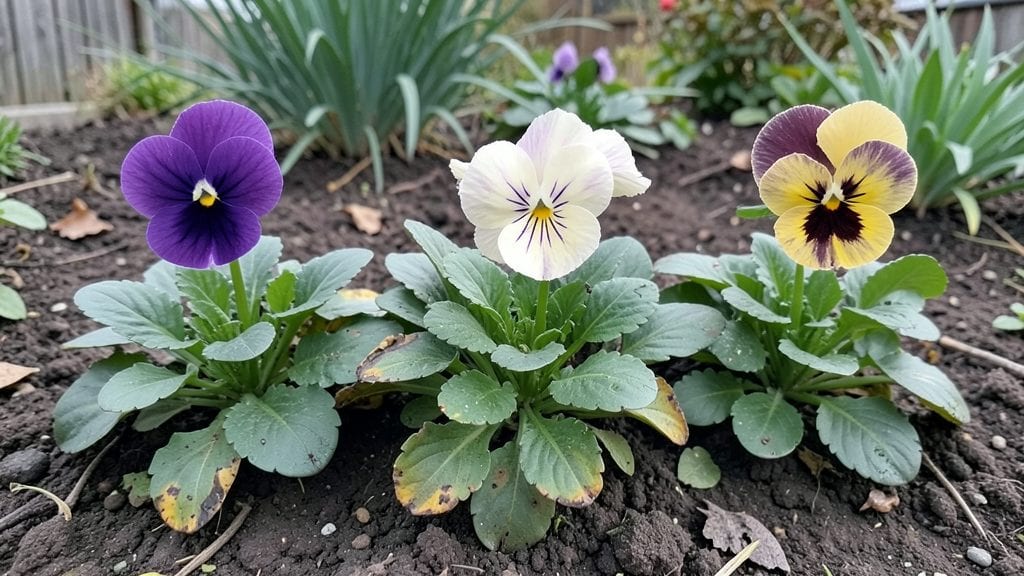
Top 7 cold-hardy perennial Viola varieties that thrive and self-seed
Perennial violas are nature's gift to gardeners who crave year-round color with minimal effort. Unlike their annual cousins, these hardy plants return every spring and often self-seed prolifically, creating stunning ground covers.
The best varieties thrive in USDA Zones 3-8, making them perfect for northern climates where many flowers fail. I've tested these top 7 cold-hardy varieties in my own Zone 5 garden, and they consistently outperform others with vibrant blooms and self-sustaining growth.
What sets these violas apart is their ability to survive winter dormancy and rebound quickly in early spring. Some even bloom through light snow, adding unexpected color to winter landscapes.
The key to their success lies in proper soil conditions and strategic deadheading, which I'll explain in detail below. Whether you're looking for classic purple hues or unexpected yellows and whites, these varieties deliver.
Let's start with the most cold-hardy variety: Viola labradorica, also called the Labrador Violet. This native North American species thrives in Zones 3-7 and produces delicate purple flowers with white centers.
What makes it special is its aggressive self-seeding habit—it will fill bare spots in your garden with minimal intervention. I planted just five plants in a shady woodland garden, and within two years, they had completely naturalized, creating a lush violet carpet.
The Common Blue Violet (Viola sororia) is another <
How to encourage perennial violas to self-seed for effortless garden renewal
Perennial violas are nature's gift to lazy gardeners—they bloom year after year with almost no effort from you. The secret to their self-seeding magic lies in creating the perfect conditions and timing your care just right.
Unlike annuals, these hardy flowers drop seeds naturally, ensuring your garden stays colorful with minimal replanting. With a few simple techniques, you can transform a single viola into a self-sustaining patch that multiplies effortlessly.
Self-seeding happens when mature viola plants produce seed pods that release tiny seeds into the soil. These seeds germinate naturally, creating new plants without any intervention. To maximize this process, focus on three key factors: proper deadheading, ideal growing conditions, and seasonal care.
By following these steps, you'll turn your violas into a self-propagating garden feature that thrives with almost no maintenance after the initial setup.
Step-by-Step Guide to Encourage Viola Self-Seeding
- 1 Deadhead wisely: Remove spent blooms by pinching them off just above the first set of leaves. This redirects the plant's energy from seed production to new flower growth—but leave a few blooms to develop seed pods for natural propagation.
- 2 Provide partial shade: Plant violas in morning sun with afternoon shade (3-6 hours of sunlight daily). Too much sun causes leaf burn, while too little shade reduces flowering. Aim for dappled light under trees or near structures.
- 3 Maintain moist, well-draining soil: Violas thrive in humus-rich soil with a pH of 6.0-7.0. Amend clay soil with compost or sand to prevent waterlogging. Keep soil consistently moist but never soggy—water deeply once weekly in dry spells.
- 4 Mulch lightly in fall: Apply a 1-inch layer of mulch (straw or shredded leaves) after the first frost. This protects seed pods from winter winds and ensures they release seeds in spring. Avoid thick mulch, which can suffocate emerging seedlings.
- 5 Avoid over-fertilizing: Use a balanced fertilizer (5-10-10) sparingly—just once in early spring and again after mid-summer blooming. Too much nitrogen promotes leafy growth over flowers, reducing self-seeding potential.
- 6 Thin seedlings in spring: Once seedlings emerge in early spring, thin them to 3-4 inches apart. This prevents overcrowding and ensures each plant gets enough nutrients and sunlight to thrive.
- 7 Repeat the cycle: By late summer, your violas will produce new blooms and seed pods. Let nature take its course—skip deadheading on a few flowers to encourage self-seeding, and watch your garden fill with violas year after year.
One of the biggest misconceptions about violas is that they require constant deadheading to prevent self-seeding. While deadheading spent blooms encourages more flowers, leaving a few to go to seed is what creates your self-sustaining garden.
The key is balance: remove most faded blooms to keep your plants looking neat, but allow 10-20% of flowers to develop seed pods. This ensures you get both continuous blooms and natural propagation.
For best results, plant violas in clusters of 5-7 plants rather than isolated spots. This mimics their natural growth habit and creates a denser seed-dropping zone, increasing the chances of successful germination. Over time, you'll notice new seedlings popping up around the parent plants—this is your viola army expanding!
Just be patient; it may take 2-3 years for a full self-seeding cycle to establish, but the payoff is decades of low-maintenance color.
If you're in a warmer climate (z