
Flowers
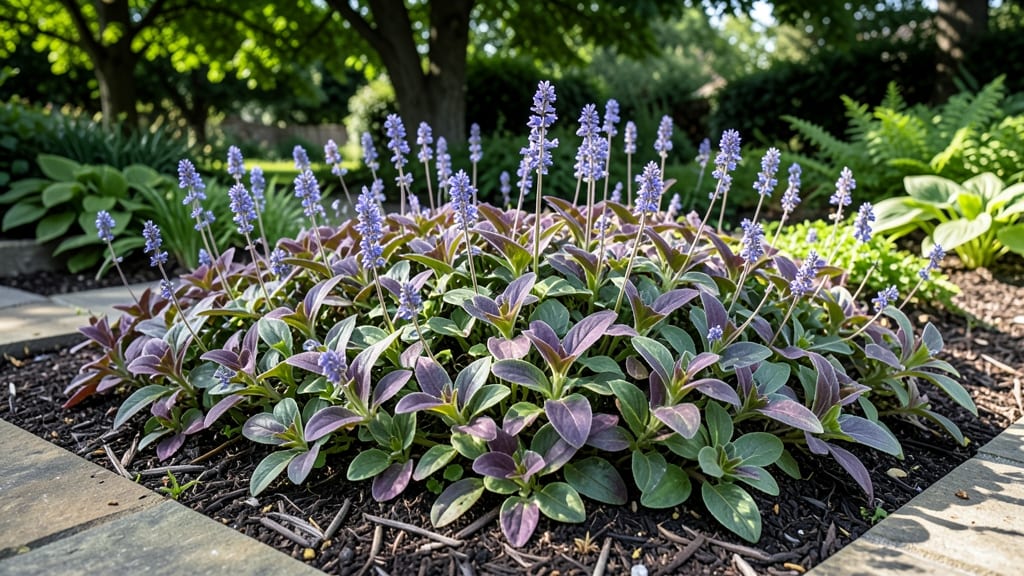
Yes, ajuga is a perennial plant that thrives year after year in USDA zones 3-9, returning stronger with proper seasonal care. Its low-growing, shade-loving nature makes it perfect for ground cover and low-maintenance gardens.
Ajuga's perennial status comes from its deep, rhizomatous root system that stores nutrients and survives winter dormancy. 🌱 Unlike annuals, it doesn't need replanting—just a little seasonal attention. I've seen it bounce back after sub-zero temperatures, proving its cold-hardiness.
The plant's evergreen foliage also provides year-round interest, though it may brown slightly in harsh winters before regrowing in spring.
What sets ajuga apart is its ability to spread naturally through underground runners, creating dense mats that suppress weeds. This makes it ideal for shady areas where other plants struggle.
The key to keeping it healthy is occasional pruning to control its spread and dividing clumps every few years to maintain vigor. Many gardeners love it because it's practically self-sufficient once established.
💡 In This Article
- Ajuga Perennial Growth Habits and Cold Hardiness
- Planting and Care Tips for Long-Term Ajuga Success
Ajuga perennial growth habits and cold hardiness
Ajuga's perennial nature stems from its specialized rhizomatous root system, which acts like a built-in survival kit. These horizontal underground stems store carbohydrates and nutrients during dormancy, allowing the plant to regrow each spring even after winter dieback.
The roots can extend 12-18 inches deep, anchoring the plant while accessing moisture and nutrients that shallow-rooted annuals can't reach. This deep root system also helps ajuga resist drought stress once established.
The plant's evergreen foliage plays a crucial role in its winter resilience. While some varieties may develop frost damage (like brown leaf tips at -10°F), the roots remain protected underground.
What's fascinating is how ajuga's leaves contain antifreeze proteins similar to those in cold-hardy trees, which prevent ice crystal formation in cells. This biological adaptation explains why ajuga thrives in USDA zones 3-9—from Minnesota's harsh winters to California's mild coastal climates.
Ajuga's shade tolerance comes from its unique photosynthesis process. The plant has evolved to efficiently capture low-light conditions through its broad, leathery leaves that grow in dense mats. This growth habit blocks light to the soil, creating a microclimate that suppresses weeds while maintaining moisture.
The leaves also contain high levels of flavonoids, which act as natural sunscreens, protecting the plant from UV damage in bright but indirect light situations.
What makes ajuga particularly interesting is its dormancy strategy. Unlike many perennials that go completely dormant, ajuga maintains some green foliage through winter, though it may appear browned. This semi-dormancy allows it to resume growth quickly when temperatures rise above 40°F.
The plant's ability to photosynthesize even at 35°F gives it a competitive edge over many other ground covers that require warmer soil temperatures to regrow.
Consider this biological advantage when planning your garden: ajuga's perennial nature means you'll see year-after-year improvement as the root system expands. I've observed established clumps spread 12-18 inches annually through underground runners, creating a dense carpet that outcompetes weeds.
The plant's ability to regenerate from even small root fragments makes it nearly indestructible once properly established.
For gardeners in colder regions, ajuga's cold hardiness becomes particularly valuable. Unlike many shade plants that struggle with winter dieback, ajuga's rhizomes can survive temperatures down to -30°F when properly mulched. This makes it an excellent choice for northern gardens where other perennials might require winter protection.
The trade-off is its aggressive spread—something we'll explore in the care section—but this very trait makes ajuga one of nature's most resilient ground covers.