
Flowers
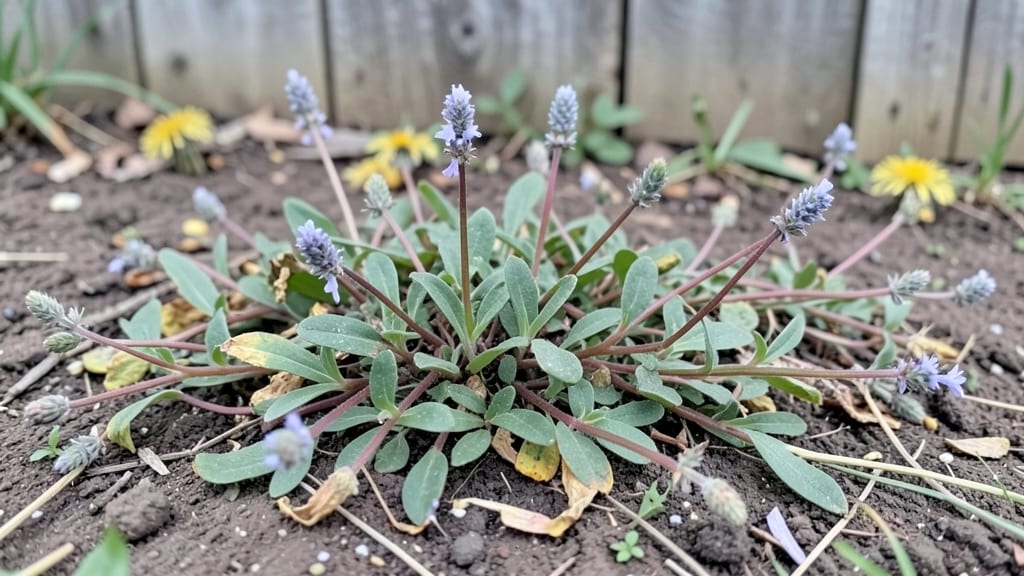
Growing a perennial Veronica plant means adding years of color to your garden with almost no effort—once you know the right tricks.
If you're looking for a low-maintenance, cold-hardy perennial that blooms like clockwork and spreads effortlessly, Veronica 🌸 might be your new garden superstar—yet many gardeners overlook its stunning versatility. That’s because it thrives in Zone 6a and beyond, asking for little more than good soil and sunlight.
This hardy plant isn’t just pretty—it’s practical. Plant it in spring (March–April), and you’ll enjoy summer blooms from June to August without the fuss of annuals. The key? A little pruning and the right spot, and it’ll reward you with decades of effortless beauty.
Ready to turn your garden into a Veronica paradise? I’ll walk you through the best varieties, planting secrets, and care tips to keep it thriving for years.
Top 5 cold-hardy Veronica varieties for year-round color
Perennial Veronica plants are my go-to for adding bold color and low-maintenance beauty to gardens in cold climates. These hardy varieties thrive in USDA zones 3-8, offering season-long blooms with minimal fuss.
Whether you're designing a cottage garden or a modern pollinator-friendly space, Veronica delivers vibrant spikes of blue, purple, or pink that attract bees and butterflies.
What makes these varieties stand out? Their self-spreading habit reduces the need for replanting, and their drought tolerance once established means fewer watering chores. Plus, they pair beautifully with lavender, catmint, and ornamental grasses for a cohesive look.
Let’s dive into the top 5 cold-hardy varieties that will keep your garden blooming from spring to fall.
🌸
First up is Veronica spicata 'Sunny Border Blue', a drought-tolerant variety perfect for rock gardens or borders. Its compact growth habit (18-24 inches) makes it ideal for small spaces, and the blue flower spikes create a striking contrast against silver foliage plants like lamb’s ear.
I’ve seen it thrive in full sun to partial shade, making it versatile for almost any garden spot.
For a taller, more dramatic look, Veronica longifolia 'Georgia Blue' is my top pick. This variety reaches 24-36 inches and blooms later in the season (July-September), extending your summer color when many other perennials fade.
Its fragrant foliage adds a sensory bonus, and it pairs beautifully with black-eyed Susans or coneflowers in mixed borders.
If you love unique foliage textures, Veronica officinalis 'Red Fox' delivers with its red-tinged leaves and pink flowers. This ground-cover variety stays low (6-12 inches) and spreads quickly, making it perfect for slopes or between stepping stones.
It’s also one of the earliest bloomers, often flowering in May when little else is in bloom.
For heat-loving gardens, Veronica incana 'Crater Lake Blue' is a game-changer. Its silver-gray foliage reflects sunlight, reducing heat stress, while the blue flowers add a cool contrast. This variety handles poor soil better than most, making it a great choice for xeric landscapes or native plant gardens.
Lastly, Veronica pectinata 'Royal Candles' is my pollinator favorite. Its pink flower spikes attract butterflies and bees in early summer (June-July), and its early blooming gives pollinators a critical food source. This variety thrives in cooler climates (zones 3-7), making it perfect for northern gardens.
All five varieties share a self-spreading habit, so be prepared for them to fill in gaps naturally over time. To keep them neat and tidy, I recommend light pruning after blooming to encourage a second flush of flowers.
With the right placement and care, these cold-hardy Veronicas will reward you with years of effortless color.
🌿
How to plant and maintain Veronica for natural ground cover
Perennial Veronica plants are nature’s way of creating a lush, low-maintenance ground cover that thrives in USDA zones 3-8 with minimal fuss. Their self-spreading habit makes them perfect for filling gaps between stepping stones, cascading over container edges, or suppressing weeds in borders.
The key to success? Understanding their sunlight preferences, soil needs, and pruning schedule to keep them from becoming too aggressive.
Unlike invasive ground covers, Veronica spreads gradually but predictably, making it ideal for gardeners who want controlled coverage without constant upkeep. Whether you’re planting Veronica spicata for its spiky blue blooms or Veronica longifolia for its arching stems, the same principles apply.
Let’s dive into the step-by-step process to ensure your Veronica thrives as a natural ground cover for years to come.
For optimal spread, plant Veronica in early spring (March-April) when soil is 60°F+. Space plants 12-18 inches apart—closer for dense coverage, wider for controlled growth. Mix in compost at planting to encourage root establishment and reduce transplant shock.
Start by selecting a sunny to partially shaded spot—Veronica loves 6+ hours of sunlight daily but tolerates morning sun with afternoon shade in hotter climates. Avoid low-lying areas where water pools, as soggy soil leads to root rot.
Amend your soil with organic matter like compost or aged manure to improve drainage, especially if your native soil is clay-heavy.
Water newly planted Veronica deeply once a week for the first 4-6 weeks to encourage deep root growth. Once established, these plants are drought-tolerant and only need 1 inch of water per week, though they’ll reward you with more vibrant blooms if you water consistently during dry spells.
Always water at the base of the plant in the morning to prevent fungal issues.
Pruning is where you’ll control Veronica’s spread and encourage continuous blooming. After the first flush of flowers fades (usually in late spring), trim back one-third of the plant’s height to promote bushier growth and new flower spikes.
In early fall, cut back dead or leggy stems but leave healthy foliage to protect the crown over winter. Avoid heavy pruning in late summer, as this can stunt next year’s blooms.
To prevent Veronica from spreading too aggressively in borders, install a shallow edging barrier (like landscape fabric) around the perimeter. For container growing, choose pots at least 12 inches wide and plant 3-5 plants per container to create a spiller effect.
Divide mature clumps every 3-4 years in early spring to rejuvenate growth and share with fellow gardeners.
With the right site selection, watering routine, and pruning discipline, your Veronica will transform into a self-sustaining ground cover that blooms from late spring to early fall.
The best part? It requires almost no maintenance once established—just sit back and enjoy the effortless beauty it brings to your garden. 🌿