
Flowers
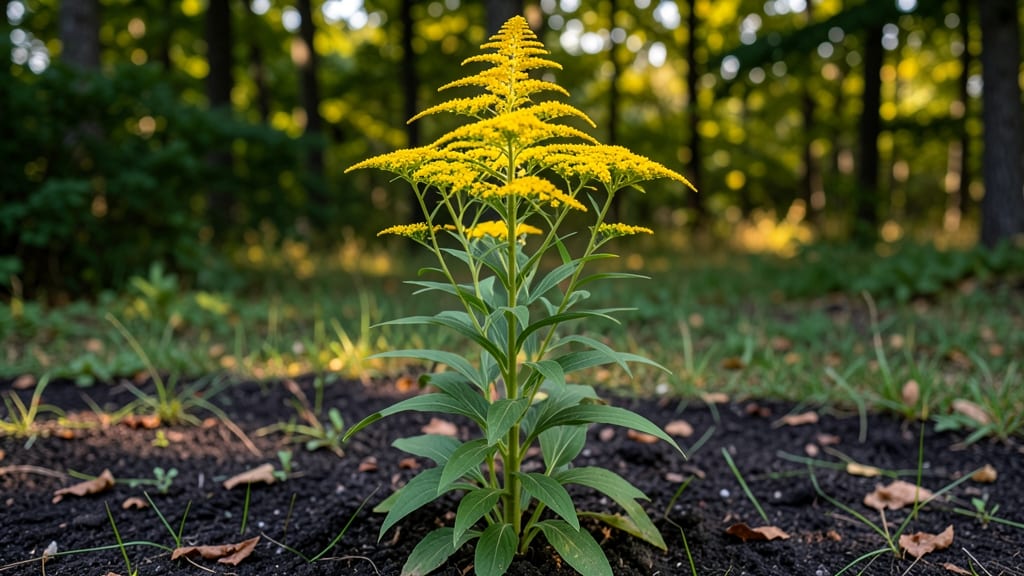
Yes, goldenrod is a perennial that thrives in USDA zones 3 through 9, returning yearly with vibrant yellow blooms in late summer to fall and spreading via underground rhizomes or self-seeding.
Goldenrod earns its perennial reputation thanks to its tough underground rhizomes, which store nutrients and energy to survive winter dormancy. 🌱 Unlike annuals that die back after one season, goldenrod plants regrow each spring from these resilient roots, making them low-maintenance additions to gardens.
Their ability to spread naturally also means you'll enjoy those cheerful yellow plumes year after year with minimal effort.
What sets goldenrod apart is its adaptability—it thrives in everything from dry prairies to moist meadows, handling both heat and cold once established. While some varieties may need occasional division to control spread, their hardiness means they'll keep blooming reliably for decades if given proper sunlight and well-draining soil.
💡 In This Article
- Goldenrod’s Perennial Growth Cycle and Cold Tolerance
- Best Goldenrod Varieties for Different Climates
Goldenrod’s perennial growth cycle and cold tolerance
Goldenrod survives winter through its specialized underground rhizome system, which acts like a built-in survival kit. These thick, horizontal roots store carbohydrates and nutrients produced during the growing season, allowing the plant to remain dormant yet alive through freezing temperatures down to -30°F (common in USDA Zone 3).
The rhizomes also produce new shoots each spring, ensuring the plant emerges with vigor. This system is similar to how asparagus or daylily rhizomes function, but goldenrod's are particularly efficient at conserving energy during dormancy.
The plant's multi-year bloom cycle begins in late summer, typically around mid-August in most regions, and continues through fall. Each flowering stem produces clusters of bright yellow blooms that attract pollinators like bees and butterflies.
What's fascinating is how goldenrod's flowering pattern shifts slightly each year—younger plants may bloom later than established ones, creating a staggered display that extends the season. The seeds also play a role in persistence, as many varieties self-seed prolifically, creating new plants while the original rhizomes continue growing.
This hardiness makes goldenrod a garden staple in temperate climates. Unlike annuals that must be replanted yearly, goldenrod's rhizomes ensure it returns stronger each season.
The plant's ability to spread via both rhizomes and seeds means it can fill spaces naturally, though gardeners may want to contain it with barriers if they prefer controlled growth. In my own garden, I've seen goldenrod plants thrive for over 15 years with only occasional division to prevent overcrowding.
Cold tolerance varies slightly between species, but most goldenrods handle winter well when established. For example, Solidago canadensis (Canada goldenrod) can survive -40°F with proper mulching, while Solidago virgaurea (European goldenrod) prefers milder winters of -20°F.
The key is ensuring good drainage—waterlogged rhizomes can rot during winter thaw cycles. A 2-3 inch layer of organic mulch helps insulate the roots while preventing moisture buildup.
Goldenrod's perennial nature also means it develops deeper root systems each year, making it increasingly drought-resistant. Once established (typically after 2-3 years), many varieties require little supplemental watering.
This adaptability explains why goldenrod thrives in everything from sunny meadows to partial shade gardens, as long as it gets at least 4-6 hours of sunlight daily.
The plant's ability to tolerate poor soils adds to its versatility—it grows well even in sandy or clay-heavy soils where other perennials might struggle.
What truly sets goldenrod apart is its ecological value. The plant's long bloom season provides nectar for pollinators when many other flowers have finished blooming. This makes goldenrod an excellent choice for wildlife gardens, especially in late summer when food sources become scarce.
The combination of hardiness, low maintenance, and ecological benefits explains why gardeners in zones 3-9 consistently choose goldenrod as a reliable perennial.