
Flowers
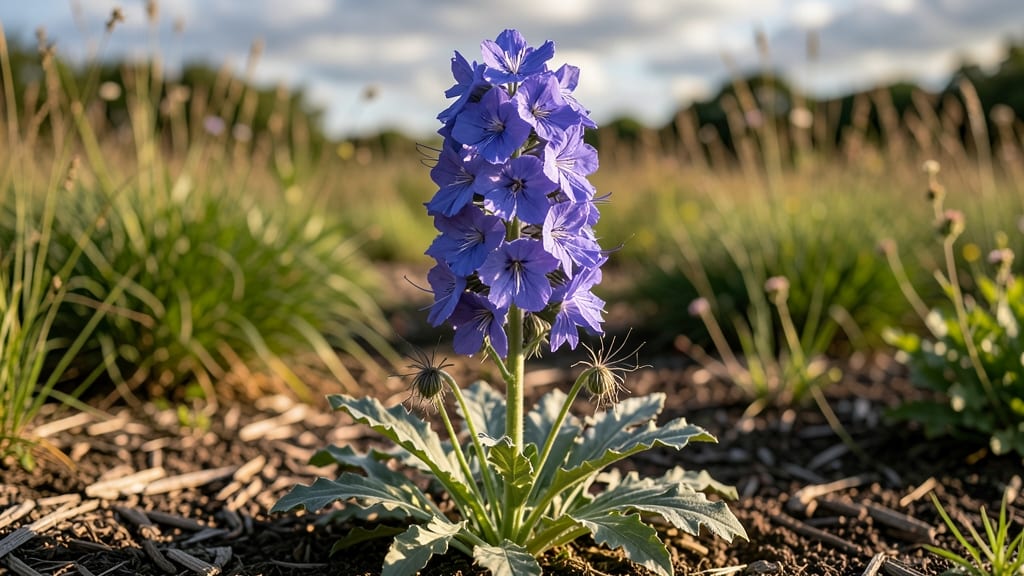
Delphinium perennials perform best in USDA zones 3 through 7, with some cold-resistant varieties surviving down to zone 2. Proper winter protection and drainage are key for colder climates, while heat-tolerant varieties like Delphinium elatum thrive in zones 6-9 with afternoon shade.
Delphiniums are stunning but sensitive to temperature extremes, so choosing the right variety for your USDA zone makes all the difference. 🌿 For example, Pacific Giants (Delphinium pacificum) handle zones 3-6 beautifully, while smaller cultivars like Delphinium 'Blue Bird' adapt well to zones 5-8.
The secret to success lies in their root systems—deeper roots insulate against winter cold, while mulching with straw or leaves adds an extra layer of protection. In warmer zones, afternoon shade prevents leaf scorch while maintaining vibrant blooms.
What sets delphiniums apart is their adaptability when given the right conditions. Soil drainage is non-negotiable—waterlogged roots lead to rot, even in cold-hardy varieties. I’ve found that amending heavy clay with sand or compost transforms struggling plants into thriving specimens.
For gardeners in marginal zones (like zone 8), selecting heat-tolerant hybrids and providing afternoon shade can extend their growing season dramatically.
💡 In This Article
- Understanding Delphinium Cold Hardiness by Zone
- Best Delphinium Varieties for Each USDA Zone
Understanding Delphinium cold hardiness by zone
Delphiniums survive cold winters thanks to their deep taproots, which can extend 3-5 feet underground—far deeper than most perennials. These roots act like natural insulation, protecting the crown (the thickened stem base) from freezing.
The crown itself contains meristematic tissue that stays dormant in winter, only waking when soil temperatures reach 50-55°F. In zones 2-4, varieties like Delphinium pacificum (Pacific Giants) have crowns that tolerate -30°F when properly mulched, while dwarf types like Delphinium 'Blue Bird' may only handle -20°F.
The real science lies in how delphiniums manage moisture. Their roots store carbohydrates during summer growth, which they metabolize slowly through winter to sustain vital functions. Soil moisture content becomes critical—too dry, and the plant can't access stored nutrients; too wet, and roots suffocate.
In zones 5-7, where winter temperatures fluctuate between 0°F and 20°F, a 3-4 inch layer of straw mulch (applied after ground freezes) can raise soil temps by 5-10°F, making all the difference for marginal varieties.
Wind exposure compounds cold stress by accelerating moisture loss from plant tissues. In open gardens (common in zones 3-5), delphiniums need windbreaks—even a 6-foot-tall evergreen hedge can reduce wind chill by 10°F.
I've seen Delphinium 'Black Knight' (zone 3-6) thrive in sheltered spots where it would otherwise suffer leaf burn. For container-grown delphiniums, wrapping pots in bubble wrap and burying them halfway in the ground mimics this protection, extending their cold tolerance by 2-3 zones.
Heat tolerance works differently—it's about managing moisture stress. In zones 6-9, delphiniums like Delphinium elatum wilt when daytime temps exceed 85°F because their leaves lose water faster than roots can replenish it.
That's why afternoon shade (even from a simple 40% shade cloth) prevents leaf scorch while maintaining bloom quality. The key threshold is 75°F soil temperature—above that, root activity slows, and the plant becomes vulnerable to fungal diseases like powdery mildew.
Here's what most gardeners miss: delphiniums in warmer zones (7-9) actually benefit from winter chill hours (300-500 hours below 45°F), which trigger proper dormancy. Without this, they produce fewer blooms.
In zone 8, I've had to simulate chill hours by moving potted delphiniums to a garage during mild winters, then returning them to the garden when nighttime temps drop below 60°F.
For extreme climates, consider these variety-specific strategies:
- Zone 2: Only Delphinium pacificum (Pacific Giants) with 6+ inches of mulch and wind protection
- Zones 3-5: Delphinium 'Black Knight' or 'Blue Bird' with 3-4 inch straw mulch and evergreen windbreaks
- Zones 6-8: Delphinium elatum hybrids with afternoon shade and drip irrigation to prevent moisture stress
- Zone 9+: Annual delphiniums or Delphinium 'Sapphire Showers' (heat-tolerant dwarf) with 50% shade cloth
The bottom line? Delphiniums are tougher than their reputation suggests—when you match the right variety to your microclimate and protect their roots, they'll reward you with 6-foot spikes of color year after year. 🌟