
Succulent
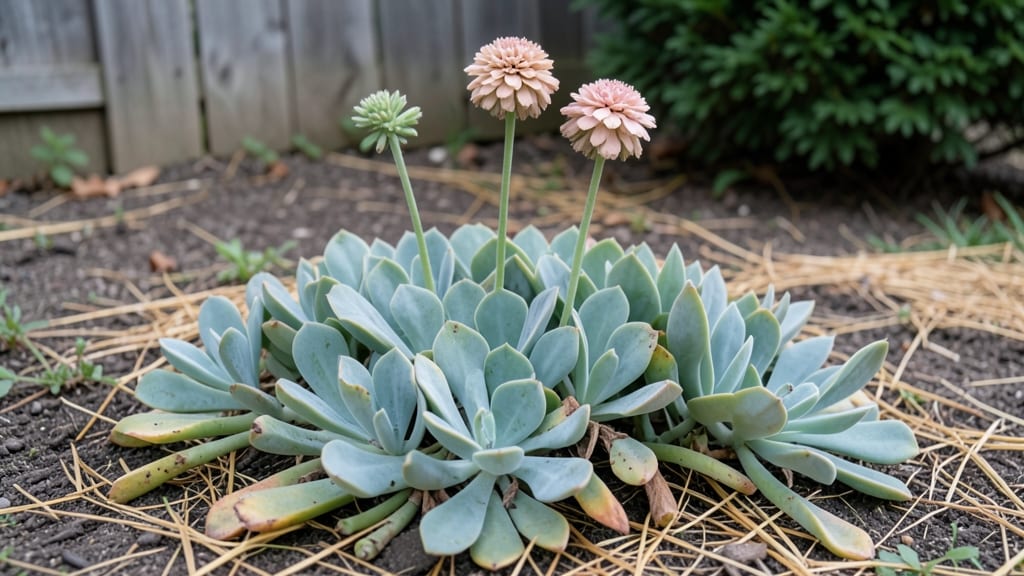
Growing perennial sedum 'Autumn Joy' 🌱 turns your sunniest patch into a low-maintenance showstopper that keeps giving year after year.
Picture this: a cold-hardy plant that spreads effortlessly, thrives on neglect, and bursts into fiery pink blooms just as summer fades. That’s why gardeners in USDA Zone 6a and beyond swear by it—no fuss, no drama, just season-long color.
Here’s the secret: full sun, well-draining soil, and minimal watering are all it takes to coax this tough beauty into your garden. Whether you’re a first-timer or a seasoned pro, these easy-care tips will help you grow a lush, spreading Sedum 'Autumn Joy' that steals the show.
From planting to pruning, I’ll walk you through every step—plus how to avoid the 3 biggest mistakes that kill blooms. Ready to add this zero-fuss star to your garden?
Why sedum 'Autumn Joy' thrives in cold-hardy sun gardens
Sedum 'Autumn Joy' stands out as a cold-hardy superstar for sun gardens, surviving USDA zones 3-9 with ease. Unlike many sun-loving plants, it thrives in extreme heat and freezing temperatures, making it perfect for northern climates and arid landscapes alike. Its succulent leaves store water efficiently, reducing the need for frequent irrigation while keeping it lush and green.
What truly sets this perennial apart is its late-season color burst. While most plants fade in fall, 'Autumn Joy' transforms from chartreuse foliage to deep rose-pink blooms, extending your garden's beauty well into October and November.
This makes it a pollinator magnet when other flowers have long since disappeared.
Its drought tolerance is legendary—once established, it requires minimal watering (just once every 10-14 days in summer) and thrives in poor, rocky soil. Even in drought-prone regions like the Southwest or Midwest, it stays vibrant with almost no care. This makes it ideal for xeriscaping and low-water gardens.
Here’s why gardeners in USDA zones 3-9 can’t get enough of this plant:
| Trait | Details |
|---|---|
| Cold Hardiness | Survives USDA zones 3-9 (-40°F to 20°F) |
| Heat Resistance | Thrives in full sun with 6+ hours daily |
| Water Needs | Drought-tolerant; water every 10-14 days in summer |
| Soil Tolerance | Grows in poor, rocky, or sandy soil; avoids soggy conditions |
| Seasonal Interest | Spring foliage, summer blooms, fall color (pink hues) |
| Spread Rate | Expands 1-2 feet per year via rhizomes |
| Pollinator Value | Attracts bees, butterflies; late-season nectar source |
One of my favorite features is how 'Autumn Joy' handles extreme temperature swings. In Zone 3, it tucks in for winter, only to rebound in spring with vigorous growth.
Meanwhile, in Zone 9, it stays green and blooming through 100°F heat waves. This dual resilience means you can grow it almost anywhere in the U.S.
The plant’s succulent-like structure isn’t just pretty—it’s functional. Those thick, fleshy leaves store water and nutrients, so even during drought spells, it stays perky and productive. I’ve seen it bounce back from weeks without rain in my Zone 5 garden, while other perennials wilted.
For beginner gardeners, this sedum is a game-changer because it forgives mistakes. Overwatering? It shrugs it off. Shady spot? It adapts. Poor soil? No problem. Even deer-resistant (unlike many other sun plants), it’s a zero-stress addition to any landscape.
Just give it sun and space, and it’ll reward you with years of color.
If you’re designing a low-maintenance sun garden, 'Autumn Joy' should be your first choice. Pair it with lavender for a Mediterranean vibe or Russian sage for a drought-proof border. Its late-season blooms will keep your garden alive when others fade, making it a year-round workhorse.
Pro tip: Let the spent blooms stay through winter—they add textural interest to snow-covered gardens and provide winter food for birds. It’s one of those multi-season plants that never disappoints.
🌱
How to plant and maintain sedum 'Autumn Joy' for maximum spread
Sedum 'Autumn Joy' spreads like wildfire when given the right conditions—literally! This perennial succulent thrives with minimal intervention, but proper planting techniques and maintenance habits will turn your garden into a lush, low-water masterpiece. The key lies in well-draining soil, strategic spacing, and knowing when to prune or propagate. Let’s dive into the step-by-step process to ensure your Autumn Joy spreads vigorously while staying healthy year-round.
One of the biggest mistakes gardeners make is overcrowding or planting in poor soil conditions. Sedum 'Autumn Joy' loves full sun exposure (6+ hours daily) and rocky or sandy soil that mimics its natural habitat.
If your soil is heavy clay, amending it with gravel or compost will prevent root rot and encourage that aggressive spread you’re after. Think of it as giving your plants the perfect foundation to thrive—just like laying a solid patio before adding plants!
- 1 Choose the Right Location
- Select a sun-drenched spot with 6+ hours of direct sunlight. Partial shade may reduce flowering but won’t kill the plant—just expect slower spread. Avoid low-lying areas where water pools.
- 2 Prep the Soil
- Test your soil’s drainage. If it’s heavy clay, mix in 1/3 sand or gravel and compost to improve aeration. Sedum hates soggy roots, so raised beds or slopes are ideal for maximum spread.
- 3 Plant with Proper Spacing
- Space plants 18-24 inches apart for optimal airflow and vigorous growth. Closer spacing (12 inches) works for containers or borders but may lead to crowding over time. Dig holes twice as wide as the root ball to encourage root expansion.
- 4 Water Deeply After Planting
- Give newly planted Autumn Joy a deep watering to settle roots, then reduce watering to once every 10-14 days. Overwatering is the #1 killer—drought tolerance is why this plant thrives in USDA zones 3-9!
- 5 Fertilize Lightly in Spring
- Apply a balanced fertilizer (5-10-10) in early spring to boost growth. Skip summer feeding—Autumn Joy prefers low-nutrient soil. Too much fertilizer = floppy stems and fewer blooms.
- 6 Prune for Shape and Health
- Cut back dead foliage in early spring and spent blooms after flowering (late summer). This encourages new growth and prevents seed production, which can spread unwanted seeds if you’re not ready for baby plants!
- 7 Propagate for Free Plants
- Divide clumps in early spring or take stem cuttings in summer. Root cuttings in sandy soil or perlite—they’ll establish in 2-3 weeks. This is how Autumn Joy spreads naturally, so use it to fill gaps or share with friends!
Once your Sedum 'Autumn Joy' is established, it’s almost self-sufficient. The real magic happens in late summer when those rosy-pink blooms transform your garden into a pollinator paradise.
To keep it looking its best, mulch lightly around the base in spring to retain moisture and suppress weeds—without smothering those succulent leaves.
If you notice yellowing leaves or leggy growth