
Aphids
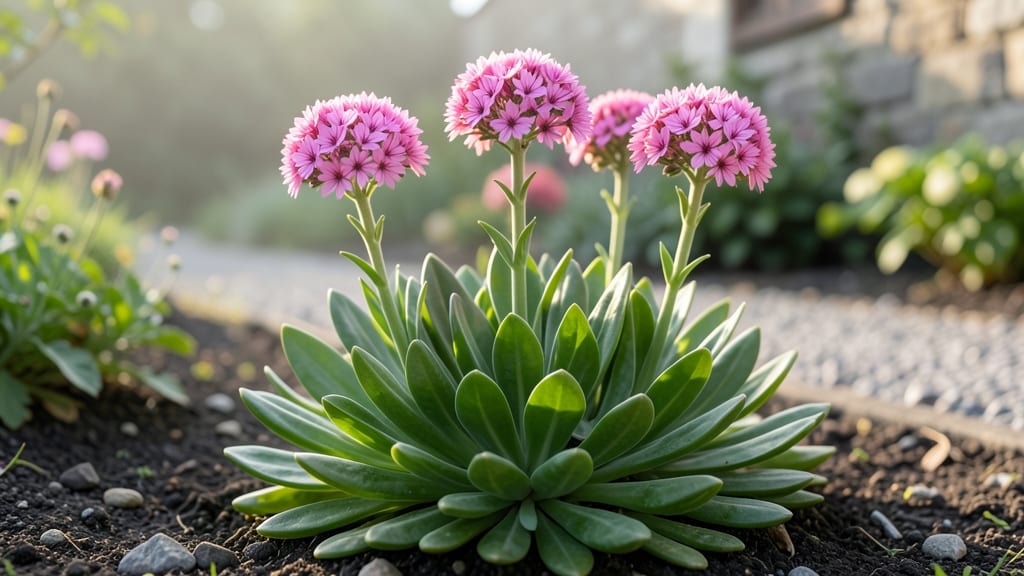
Yes, sedum is a perennial plant that thrives year-round thanks to its hardy nature, featuring cold-resistant traits like thick, water-storing leaves and deep roots that withstand frost in many climates.
Sedum earns its reputation as a low-maintenance garden staple because its biological adaptations make it uniquely resilient. 🌱 The thick, fleshy leaves act like tiny water tanks, storing moisture to survive droughts and cold snaps, while its extensive root system anchors the plant firmly in the soil.
Many varieties can tolerate temperatures as low as -20°F, making them perfect for USDA hardiness zones 3 through 9. Unlike annuals that die back each winter, sedum simply enters a dormant phase, then rebounds with vibrant new growth once temperatures rise.
This hardiness extends beyond cold tolerance—Sedum also thrives in poor soil conditions and requires minimal watering once established. Whether you're looking for ground cover, drought-resistant borders, or long-lasting cut flowers, sedum delivers year after year with almost no effort.
The key is choosing the right variety for your climate, as some species handle frost better than others.
💡 In This Article
- How Sedum Survives Winter: Cold-Resistant Plant Mechanics
- Best Sedum Varieties for Cold Climates and Low-Maintenance Landscaping
How sedum survives winter: cold-resistant plant mechanics
Sedum's winter survival hinges on its succulent leaf structure, which functions like a built-in water reservoir. These thick, fleshy leaves store moisture during dry periods and act as insulation against freezing temperatures.
The leaves contain high concentrations of malic acid, which lowers their freezing point—similar to how antifreeze works in car engines—allowing them to remain flexible even when temperatures drop below 20°F. This adaptation prevents cellular damage that would kill less hardy plants.
The plant's deep taproot system (often extending 2-3 feet underground) anchors it firmly and accesses moisture from deeper soil layers where surface water freezes. Unlike shallow-rooted annuals, sedum's roots can reach water even when topsoil is frozen solid.
Some varieties like Sedum telephium develop woody stems that store nutrients, providing energy reserves during dormancy—like a plant version of hibernation food stores.
Sedum's dormancy cycle is another key survival mechanism. As temperatures fall, the plant slows metabolic processes, reducing water loss and energy expenditure. The leaves may turn brown or shrivel slightly, but the root system remains active just below the frost line.
This semi-dormant state allows sedum to rebound quickly in spring, often producing fresh growth within 2-3 weeks of thawing—unlike annuals that must germinate from seed each year.
Hardiness varies by species, but most sedum thrives in USDA zones 3-9, with some varieties like Sedum acre (goldmoss sedum) tolerating -30°F when established.
The secret lies in their cold acclimation process: as nights grow shorter in fall, sedum increases production of protective sugars and proteins that act like natural antifreeze. This biological strategy explains why sedum often outlasts more delicate perennials in harsh winters.
Consider this comparison: While a typical houseplant might die at 32°F, sedum's adaptations allow it to handle temperatures 15-20°F colder**—a survival advantage that makes it one of nature's most resilient perennials. The trade-off? Their slow growth in early spring as they rebuild energy stores after winter dormancy.
What's fascinating is how sedum's winter strategy mirrors that of cacti in deserts—both store water in modified leaves and enter dormancy during extreme conditions. The difference? Sedum handles cold while cacti endure heat, showcasing how plants evolve specialized survival tactics for their specific environments. 🌬️