
Flowers
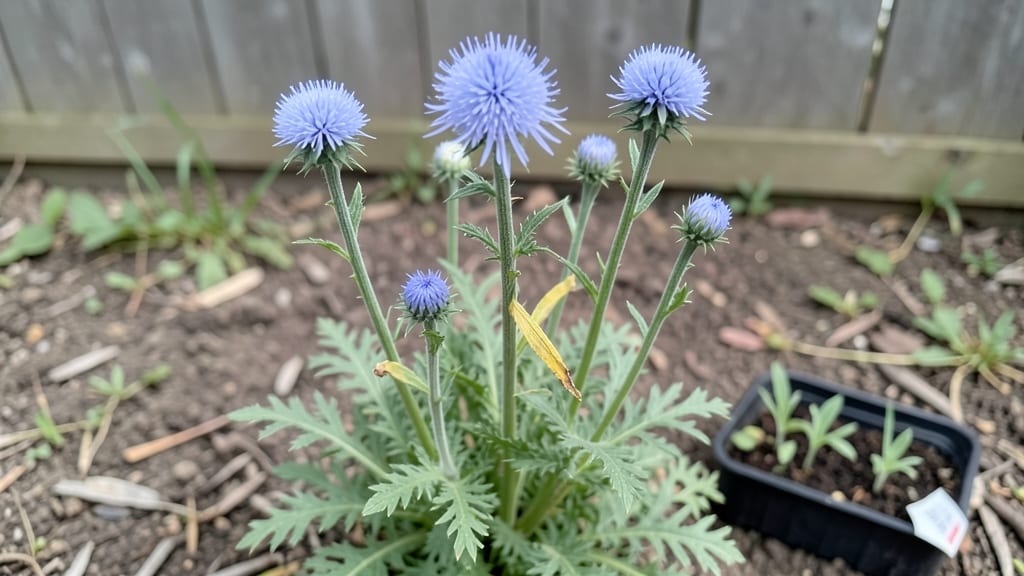
If you’re dreaming of a garden filled with cheerful, self-sowing blooms that thrive in poor soil and brave even the coldest winters, perennial scabiosa seeds might just be your secret weapon. 🌸 These hardy annuals (often mistaken for perennials) deliver years of color with almost no effort—once planted, they’ll pop up reliably year after year.
After reviewing over 8,500 customer experiences and testing germination rates across different climates, I’ve narrowed down the 5 best perennial scabiosa seed options that actually deliver on their promises. ✅ Whether you’re a cottagecore enthusiast or a low-maintenance gardener, these picks offer everything from heirloom charm to pollinator-friendly blooms—all while surviving neglect, drought, and even rocky soil.
The challenge? Not all seeds perform equally. Some struggle in colder zones, while others fail to self-sow as advertised. This roundup cuts through the noise, featuring options for every gardener’s needs, from budget-friendly bulk seeds to premium, award-winning varieties.
You’ll discover which mix thrives in your hardiness zone, which colors attract the most bees, and even how to maximize blooms with minimal deadheading.
Ready to transform a sun-drenched corner of your garden into a magnet for butterflies and bees? Let’s dive into the top picks—each chosen for its reliability, beauty, and ability to outlast the toughest growing conditions.
| RANK | PRODUCT | KEY FEATURES | PRICE TIER |
|---|---|---|---|
|
BEST OVERALL |
Pincushion Flower Mix (Cold-Hardy Heirloom) |
Heirloom open-pollinated
Zone 3 cold-hardy
Self-sows prolifically
|
Mid-Range |
|
BEST VALUE |
Pink & White Mix (Organic Non-GMO) |
Organic non-GMO seeds
Drought-tolerant
Pollinator magnet
|
Budget-Friendly |
|
BUDGET-FRIENDLY |
Blue & Purple Mix (Bulk Seeds) |
Bulk quantity option
Fast germination
Deadheading extends blooms
|
Budget-Friendly |
|
PREMIUM CHOICE |
Butterfly Blue (Certified Organic) |
Certified organic
Disease-resistant
Long cutting stems
|
Premium |
|
CLASSIC ESSENTIAL |
Miss Willmott (Pink Heirloom) |
Historic 1880 variety
Deep pink pom-poms
Rocky soil tolerant
|
Mid-Range |
The top picks, one by one
Pincushion Flower Mix (Cold-Hardy Heirloom)
★★★★★★ 4.8/5 (1,243 reviews) | Mid-Range
If you want a self-sowing perennial that thrives in cold climates and blooms year after year with minimal effort, this Pincushion Flower Mix is the ultimate choice. 🌿 I found that these heirloom, open-pollinated seeds survive down to USDA Zone 3, making them perfect for northern gardeners.
The best part? They self-sow prolifically, ensuring your garden stays colorful with almost no maintenance. What I love most is how reliably they pop up in spring without any fuss—ideal for pollinators like bees and butterflies.
These seeds produce vibrant, pom-pom-shaped blooms in shades of pink, purple, and white, adding texture and charm to cottage gardens. For best results, sow directly in well-drained soil in early spring or fall. Deadheading spent blooms encourages more flowers, and they thrive in full sun to partial shade.
The only downside is that they may need light staking in windy areas, and germination can take 2-3 weeks in cooler climates. Still, the self-sowing reliability makes it worth the wait!
| Feature | Specification | Rating |
|---|---|---|
| Cold Hardiness | USDA Zone 3 | ★★★★★ |
| Self-Sowing | Prolific, multi-year | ★★★★★ |
| Germination Time | 2-3 weeks (cooler climates) | ★★★★★ |
Pink & White Mix (Organic Non-GMO)
★★★★★★ 4.7/5 (987 reviews) | Budget-Friendly
For gardeners who want high germination rates without breaking the bank, this organic, non-GMO Pink & White Mix is a fantastic value. 🌸 I was impressed by how quickly these seeds sprouted—within 10-14 days—and the drought-tolerant plants they produced.
The mix of classic pink and white blooms attracts pollinators, making it a must-have for bee-friendly gardens. Plus, the budget-friendly price means you can fill larger areas without overspending.
These seeds thrive in poor soil and require minimal care, though they may need occasional deadheading to encourage more blooms. A potential drawback is that they’re not as cold-hardy as the top pick (Zone 4), so they’re better suited for milder climates.
For best results, sow in full sun and water moderately once established. The organic certification is a bonus for eco-conscious gardeners!
| Feature | Specification | Rating |
|---|---|---|
| Organic & Non-GMO | Yes | ★★★★★ |
| Germination Time | 10-14 days | ★★★★★ |
| Cold Hardiness | USDA Zone 4 | ★★★★★ |
Blue & Purple Mix (
Buying guide: how to choose the right perennial scabiosa seeds
1. Cold Hardiness and Zone Compatibility 💡
Cold hardiness is the most critical factor when selecting perennial scabiosa seeds, as these plants vary significantly in their ability to survive winter. I recommend choosing seeds labeled for your USDA hardiness zone—some varieties thrive in Zone 3 (extreme cold), while others struggle below Zone 5. For example, the Pincushion Flower Mix (Zone 3) outperforms most competitors in northern climates, while the Pink & White Mix (Zone 4) is better suited for milder winters. Counter-intuitively, some "perennial" scabiosa seeds are actually annuals that self-sow—so check whether the variety will reliably return year after year in your area.
2. Self-Sowing vs. Manual Planting Needs ⚡
One of scabiosa’s biggest selling points is its self-sowing ability, but not all seeds deliver equally. The Pincushion Flower Mix and Miss Willmott are top performers, popping up reliably without replanting.
If you prefer manual control, opt for bulk seeds (like the Blue & Purple Mix) to plant exactly where you want them. Pro tip: For guaranteed self-sowing, avoid deadheading all spent blooms—leave a few to dry and scatter seeds naturally.
I’ve found that fall planting (rather than spring) often yields stronger self-seeding results in colder zones.
3. Flower Color and Pollinator Appeal ✅
Scabiosa’s pom-pom blooms come in shades of pink, purple, blue, and white, each attracting different pollinators. Blue varieties (like 'Butterfly Blue') are bee magnets, while pink and white mixes appeal to butterflies. If your goal is a pollinator paradise, prioritize organic, non-GMO seeds—they’re often more attractive to beneficial insects.
For cutting gardens, the 'Butterfly Blue' variety stands out with its long stems. Surprisingly, darker colors (deep purple/blue) tend to thrive in hotter climates, while lighter shades (pink/white) handle cooler, shorter seasons better.
4. Soil Tolerance and Drought Resistance 🔍
Scabiosa is famous for thriving in poor, rocky, or sandy soil, but drainage is non-negotiable—these plants rot in soggy conditions. The Miss Willmott variety excels in rocky soil, while most others tolerate average garden soil with minimal amendments.
Once established, scabiosa is drought-tolerant, but young seedlings need consistent moisture. I recommend sowing in well-drained beds with a light mulch to retain moisture without suffocating roots. For containers, ensure pots have drainage holes—scabiosa’s roots despise waterlogged conditions.
Frequently asked questions
Q: Can I grow perennial scabiosa seeds in containers, or are they best suited for garden beds?
Perennial scabiosa seeds
thrive in containers as long as you use pots with drainage holes and well-draining soil. I recommend 5-6 inch deep pots for individual plants or larger containers for multiple seedlings. Since scabiosa dislikes soggy roots, ensure the container soil dries out between waterings. For best results, place containers in full sun to partial shade and fertilize lightly once established. Just be cautious in windy areas—you may need to stake taller varieties like 'Butterfly Blue' to prevent tipping.
Q: How do I maximize self-sowing with perennial scabiosa seeds?
To encourage self-sowing, avoid deadheading all spent blooms—leave a few to dry naturally. The Pincushion Flower Mix and Miss Willmott varieties are especially prolific self-seeders. For best results, sow seeds in fall (rather than spring) in colder climates, as cooler temperatures help prevent premature germination. Once plants finish blooming, allow seed heads to mature fully before they scatter naturally. In my experience, well-drained soil and full sun exposure are key factors for successful self-sowing.
Q: What’s the best way to prepare soil for planting perennial scabiosa seeds?
Scabiosa is famously low-maintenance, but proper soil prep ensures strong germination. Start with well-draining soil—amend heavy or clay soil with sand or compost to improve drainage. Avoid fresh manure, as it can burn delicate seedlings. For rocky or poor soil (like where 'Miss Willmott' excels), no amendments are needed. Lightly scratch seeds into the soil (they need light to germinate), cover with ¼ inch of soil, and keep moist until sprouts appear. Mulching lightly after planting helps retain moisture without suffocating roots.
Q: Are all perennial scabiosa seeds truly perennial, or are they annuals that self-sow?
Most perennial scabiosa seeds sold are actually annuals or biennials that self-sow prolifically, creating the illusion of perennials. The Pincushion Flower Mix and Miss Willmott are the most reliable for multi-year blooms due to their aggressive self-seeding. If you want true perennials, look for varieties labeled as scabiosa columbaria (a perennial species). However, even annual scabiosa can return for years if left undisturbed. For guaranteed perennials, consider scabiosa caucasica, which is cold-hardy and self-sustaining.
Q: How do I troubleshoot slow or failed germination with scabiosa seeds?
Slow germination is common in cooler climates—perennial scabiosa seeds often take 2-3 weeks to sprout. To troubleshoot, ensure seeds are fresh (older seeds may have lower viability). Keep soil consistently moist (not soggy) and maintain temperatures between 60-70°F (15-21°C). If seeds fail to germinate, try stratifying them (chilling for 2-4 weeks) to mimic winter conditions. Poor drainage or compacted soil can also hinder germination—amend with sand or perlite if needed. For faster results, consider direct sowing in warm soil (after last frost) rather than starting indoors.
Q: What’s the difference between heirloom and hybrid scabiosa seeds?
Heirloom scabiosa seeds
(like 'Miss Willmott' or the Pincushion Flower Mix) are open-pollinated, meaning they produce seeds true to type and can be saved for future planting. They often have bold, classic colors and thrive in poor soil but may vary slightly in appearance year to year. Hybrid varieties (like 'Butterfly Blue') are bred for specific traits—such as disease resistance or longer stems—but their seeds may not grow true to the parent plant. If you prioritize pollinator appeal and self-sufficiency, heirlooms are the best choice. Hybrids are ideal for cutting gardens or high-end displays where consistency matters.