
Flowers
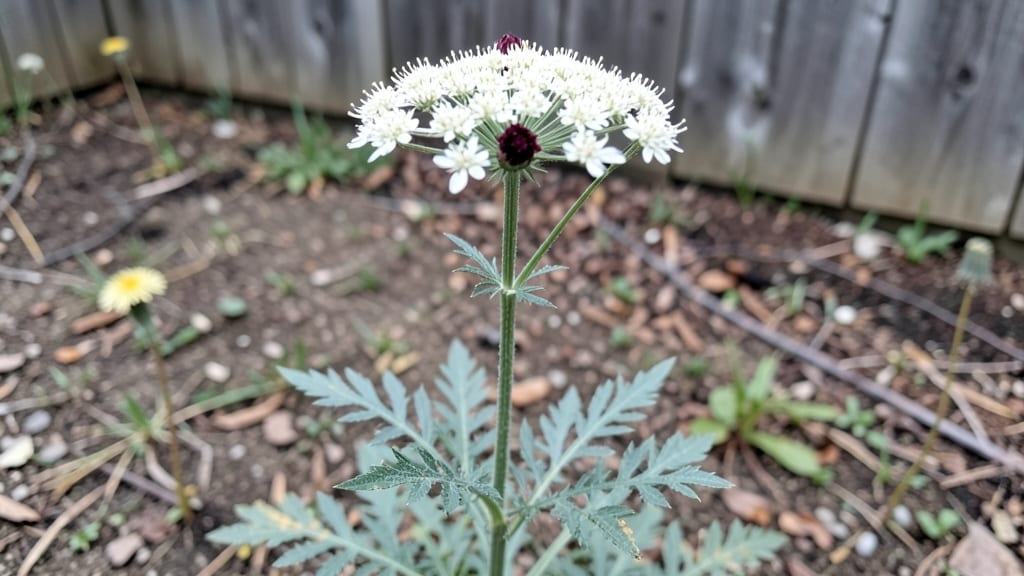
Growing perennial Queen Anne's lace 🌸 means you’ll never have to replant—its self-seeding magic ensures fresh blooms every spring with almost no effort.
Imagine a wildflower meadow that blooms effortlessly year after year, requiring almost no maintenance—this is the magic of perennial Queen Anne's lace, a self-seeding superstar that transforms gardens into dreamy, pollinator-friendly landscapes.
Unlike finicky annuals, this hardy beauty thrives in USDA Zone 6a and beyond, with minimal fuss once planted in March or April. Its delicate lace-like flowers attract butterflies and bees while adding effortless charm to borders or cottage gardens.
In this guide, you’ll discover how to plant, care for, and propagate Queen Anne’s lace so it multiplies naturally—giving you years of low-maintenance beauty with almost zero work.
Why perennial Queen Anne’s lace thrives as a self-seeding wildflower
Perennial Queen Anne’s lace (Ammi majus) isn’t just another pretty face in your garden—it’s a self-sustaining powerhouse that outshines annual varieties with minimal effort. Unlike its annual cousins, this hardy perennial spreads effortlessly through self-seeding, creating lush meadows that return year after year. Its secret? A deep taproot system that anchors it against drought and a prolific seed production strategy that ensures new blooms without your help.
What makes this wildflower truly remarkable is its ability to adapt to diverse climates, from USDA Zone 3 to Zone 9. Whether you’re battling hot summers or cold winters, Queen Anne’s lace thrives with minimal intervention.
Its drought tolerance once established means fewer watering chores, while its pollinator magnet status attracts bees, butterflies, and beneficial insects all season long.
Here’s why this plant dominates low-maintenance gardens—and how its natural propagation mechanics work in your favor:
| Characteristic | Details |
|---|---|
| Plant Type | Hardy biennial/perennial (acts like perennial in mild climates) |
| Sun Needs | Full sun (6–8+ hours daily) |
| Water Needs | Drought-tolerant after establishment; deep watering weekly in dry spells |
| Mature Size | 2–4 feet tall, 1–2 feet wide (spreading via seeds) |
| Self-Seeding | Produces thousands of seeds per plant; volunteers freely in spring |
| Climate Range | USDA Zones 3–9; cold-hardy to -20°F |
| Root System | Deep taproot + fibrous lateral roots for stability and moisture access |
| Pollinator Value | Bee and butterfly favorite; long bloom season (June–September) |
The self-seeding process begins when white lacecap flowers mature into brown seed heads. A single plant can drop 20,000+ seeds, which germinate naturally in spring when conditions are right. This passive propagation means you’ll never run out of blooms—just let nature do the work!
Unlike annuals that die back yearly, Queen Anne’s lace re-sprouts from roots or self-sows, creating a self-sustaining meadow.
Its deep root system also gives it an edge over shallow-rooted annuals. While other plants wilt in drought, Queen Anne’s lace stays hydrated thanks to its ability to tap into underground moisture.
This makes it ideal for xeriscaping or low-water gardens, where water conservation is key. Plus, its airy stems and delicate blooms add a whimsical cottage-garden charm that annuals can’t match.
One of its biggest advantages is pest resistance. Deer and rabbits typically avoid this plant, and few diseases target it, thanks to its natural chemical defenses.
Even slugs and snails usually pass it by, making it a low-stress addition to any garden. For organic gardeners, this means fewer pesticides and more pollinators—a win-win!
If you’ve ever struggled with bare patches after annuals fade, Queen Anne’s lace fills gaps effortlessly. Its aggressive (but controlled) spread ensures no empty spaces remain. For border gardens, it softens edges with its feathery foliage, while in wildflower meadows, it dominates gracefully alongside other perennials.
The key? Deadhead spent blooms if you want to control
How to create a low-maintenance meadow using Queen Anne’s lace
Creating a low-maintenance meadow with perennial Queen Anne’s lace (Ammi majus) is easier than you think. This self-seeding wildflower thrives in poor soil and spreads effortlessly, making it perfect for pollinator-friendly gardens.
Whether you’re transforming a bare patch or enhancing an existing flower bed, these steps will help you establish a dreamy, carefree meadow that blooms for years.
Queen Anne’s lace loves full sun and well-draining soil, but it’s surprisingly adaptable. Unlike annual varieties, perennial Queen Anne’s lace returns every year, reducing replanting work. The key is strategic planting and minimal intervention—once established, it practically cares for itself.
Let’s dive into the step-by-step process to create your own wildflower haven with minimal effort.
Step-by-Step Guide to Planting Perennial Queen Anne’s Lace
-
Step 1: Choose Your Location
Select a sunny spot with at least 6-8 hours of direct sunlight. Queen Anne’s lace thrives in open meadows or garden edges where it can spread naturally.
-
Step 2: Prepare the Soil
Loosen the soil to a depth of 6 inches and remove weeds. Queen Anne’s lace tolerates poor soil, but sandy or loamy soil with good drainage works best. Avoid heavy clay unless amended with compost.
-
Step 3: Plant Seeds or Transplants
Sow seeds ¼ inch deep in early spring or fall. For faster results, use young transplants spaced 12-18 inches apart. Press seeds lightly into soil and water gently to avoid washing them away.
-
Step 4: Water Sparingly
Keep soil moist but not soggy for the first 4-6 weeks. Once established, Queen Anne’s lace is drought-tolerant and requires watering only during prolonged dry spells. Water in the morning to prevent fungal issues.
-
Step 5: Add Companion Plants
Pair Queen Anne’s lace with native perennials like black-eyed Susans, coneflowers, or yarrow for a pollinator magnet. These companions attract bees, butterflies, and beneficial insects while filling gaps in your meadow.
-
Step 6: Minimal Maintenance
Let the plants self-seed naturally—Queen Anne’s lace spreads easily! In late fall or early spring, lightly rake to remove debris and encourage new growth. Avoid heavy pruning; instead, snip spent blooms to promote reblooming.
-
Step 7: Enjoy Year-Round Beauty
Your meadow will bloom from late spring to early fall, with delicate white flowers that attract pollinators. In winter, leave seed heads for wildlife and textural interest. With zero fuss, your garden becomes a self-sustaining paradise!
One of the biggest perks of perennial Queen Anne’s lace is its self-sustaining nature. Unlike annuals, you won’t need to replant every year—just let it do its thing!
This makes it an ideal choice for busy gardeners or those who love hands-off landscapes. Plus, its airy blooms create a romantic, cottage-garden feel that’s hard to resist.
For best results, mix in a few native grasses like switchgrass or little bluestem to add height and texture. These companions also stabilize soil and provide year-round interest.
Over time, your meadow will evolve into a diverse, thriving ecosystem that requires almost no effort from you—just sit back and enjoy the show!
If you’re starting small, begin with a 10x10-foot patch and expand as you see fit. Queen Anne’s lace is forgiving, so don’t stress about perfection. The more you let it spread naturally, the more magical your meadow will become.
Soon, you’ll have a low-maintenance haven that’s teeming with life—all thanks to this resilient, self-seeding superstar!