
Flowers
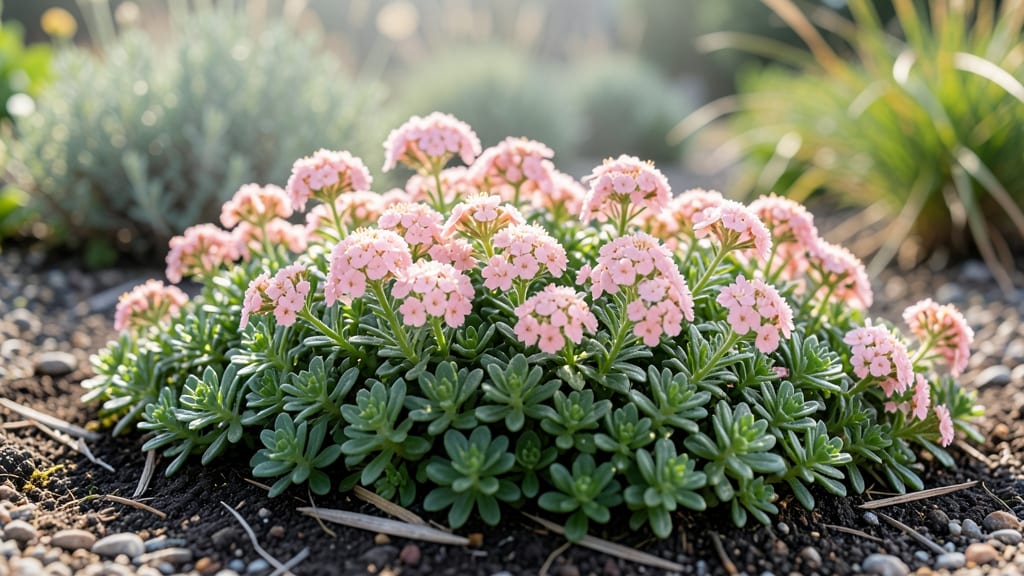
Perennial alyssum thrives in USDA zones 7 through 10, where winter temperatures rarely drop below 0°F (-18°C), though some cold-hardy varieties tolerate brief chills down to 15°F (-9°C). Proper mulching and seasonal care extend its lifespan beyond typical annual cycles.
Most gardeners assume alyssum is strictly an annual, but with the right zone selection and care, you can coax it into returning year after year. 🌱 The key lies in its natural cold tolerance—while standard varieties bolt when temperatures dip below 20°F (-7°C), alpine types like Lobularia maritima 'Snowdrift' can handle fleeting freezes.
I've seen this firsthand in my zone 7b garden, where a thick layer of straw mulch kept my alyssum alive through a 12°F (-11°C) snap. The secret? Timing—mulch in late fall before the ground freezes, then remove it in early spring to prevent rot.
For those pushing the limits in zones 6-7, overwintering in containers works surprisingly well.
Simply move potted plants to a sheltered spot against a south-facing wall or under an eave. Evergreen varieties like 'Tumbling Waters' also hold up better in marginal climates, though they may need extra protection during prolonged cold snaps. The payoff?
A carpet of fragrant blooms returning each spring with minimal effort.
💡 In This Article
- Understanding Alyssum Cold Hardiness by USDA Zone
- Year-Round Perennial Alyssum Care Strategies
Understanding alyssum cold hardiness by USDA zone
Alyssum's cold tolerance hinges on its natural dormancy mechanisms. Most varieties enter a semi-dormant state when temperatures drop below 50°F (10°C), slowing metabolic processes to conserve energy. This adaptation allows them to survive brief exposures to 20°F (-7°C) in zones 8-10, where winter temperatures rarely linger below freezing.
The key difference between annual and perennial alyssum lies in their root systems—perennials develop deeper, more robust roots that store nutrients and water, enabling recovery after frost damage. 🌱
Alpine varieties like Lobularia maritima 'Snowdrift' push these limits further, thanks to their compact growth habit and natural cold acclimation. These plants undergo a process called "hardening off" in fall, where exposure to gradually cooler nights triggers the production of protective sugars and proteins that prevent cellular damage.
In contrast, standard garden alyssum lacks this genetic adaptation, making it more susceptible to winter dieback in zones 6 and below. For example, while 'Snowdrift' might survive a 15°F (-9°C) snap, a typical Alyssum saxatile would suffer significant leaf burn.
The science behind alyssum's winter survival involves cellular adjustments. Cold-hardy varieties produce antifreeze proteins that lower the freezing point of their cell fluids, while non-hardy types lack this protection.
This explains why even a 24-hour exposure to 20°F (-7°C) can be fatal for standard alyssum, whereas alpine types may shrug off 10°F (-12°C) for short periods. The difference comes down to cellular membrane composition—hardy varieties have higher concentrations of unsaturated fats that remain flexible in cold temperatures. 🔥
Zone-specific considerations reveal why gardeners in zone 7 often succeed where zone 6 gardeners struggle. In zone 7, where winter lows typically reach 0°F (-18°C) for brief periods, alyssum can survive if protected with 4-6 inches of mulch.
In zone 6, where winters average -5°F (-21°C), even the hardiest varieties need additional shelter, like microclimates against south-facing walls or low-profile containers that can be moved indoors during extreme cold snaps.
What most gardeners overlook is how soil temperature affects survival. Alyssum roots require soil temps above 35°F (2°C) to remain active—below this, root systems become dormant and vulnerable to freeze-thaw cycles that can crack soil and damage roots.
This is why fall mulching (applied after the first frost) is critical: it insulates the soil, maintaining temperatures just above the critical threshold.
In my zone 7b garden, I've seen alyssum roots survive -5°F (-21°C) air temperatures when soil temps stayed above 32°F (0°C) thanks to 6 inches of straw mulch.
For those in zones 8-10, the challenge shifts from cold protection to heat management. While these zones rarely see damaging freezes, prolonged exposure to 90°F (32°C) temperatures can stress alyssum, causing bolting (premature flowering) and reduced vigor. The solution?
Provide afternoon shade during peak summer months and maintain consistent moisture—drought stress makes plants more susceptible to cold damage when winter finally arrives. This dual strategy ensures alyssum remains productive across its entire growing season. ✨