
Flowers
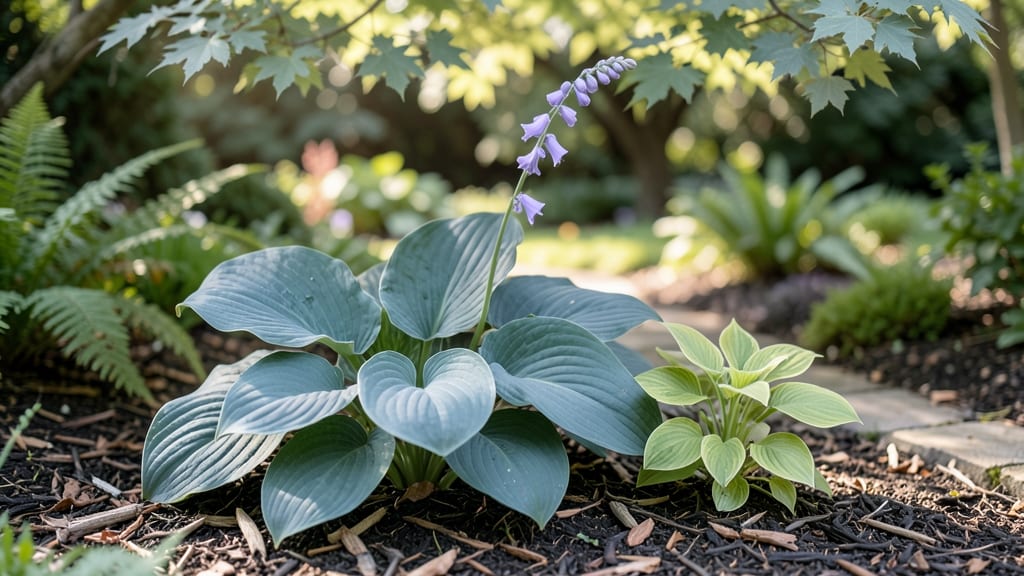
Hostas are perennials, not annuals, because their cold-hardy rhizomes and deep root systems allow them to regrow each spring from the ground up after winter dormancy.
Hostas earn their perennial reputation through clever biology—those thick, underground rhizomes act like natural storage units, packed with nutrients and energy to fuel regrowth when temperatures rise. 🌱 Unlike annuals that complete their life cycle in one season, hostas enter a dormant state during winter, only to burst back to life with fresh foliage each spring.
This survival trick makes them perfect for gardeners in zones 3-9, where winters can be harsh but not deadly for these resilient plants.
What sets hostas apart from true annuals is their ability to adapt. While annuals die back completely after flowering, hostas tuck their energy underground, ready to bounce back stronger.
This means you can plant them once and enjoy decades of lush foliage with minimal effort—just a little winter protection like mulch or snow cover in the coldest zones.
The key to their longevity is that dormant period: hostas don't just survive winter—they strategically conserve resources until conditions improve. This makes them low-maintenance workhorses in shade gardens, where they outperform many annuals that would otherwise wilt in the heat or freeze in the cold.
💡 In This Article
- Why Hostas Survive Winter as Perennials
- Best Hosta Varieties for Cold Climates
Why hostas survive winter as perennials
The secret to hostas' perennial success lies in their specialized underground structure called rhizomes. These thick, horizontal roots store carbohydrates, nutrients, and moisture like a natural battery, allowing the plant to survive freezing temperatures that would kill annuals.
Unlike annuals, which complete their entire life cycle in one season, hostas enter a state of dormancy when temperatures drop below 40°F, shutting down above-ground growth while preserving energy reserves underground.
Hostas can tolerate winter temperatures as low as -25°F in zones 3-4, thanks to their ability to supercool cellular fluids—a process where water in their tissues remains liquid even below freezing, preventing ice crystal damage.
This mechanism, combined with their deep root systems that extend 12-18 inches below the surface, gives them access to unfrozen soil moisture. For comparison, annuals like marigolds or zinnias have shallow roots and no storage organs, making them completely dependent on seasonal conditions.
The difference between hostas and tender perennials (like impatiens) becomes clear when you examine their recovery process. After winter, hostas' rhizomes begin metabolizing stored starches as soon as soil temperatures reach 50°F, producing new shoots within 2-4 weeks.
Tender perennials, however, often require replanting each year because their roots can't withstand freezing. This biological advantage means hostas can thrive for decades with proper care, while annuals must be replanted seasonally.
What makes this survival strategy particularly impressive is how hostas balance water conservation with growth readiness. During dormancy, their cells produce antifreeze proteins that lower the freezing point of their sap by up to 10°F.
Meanwhile, their rhizomes maintain just enough metabolic activity to prevent tissue death. This dual protection system explains why hostas often emerge healthier each spring, while many perennials struggle with winter damage or require division to revive.
Consider the case of a 'Francee' hosta planted in zone 5. After a -15°F winter, its rhizome might shrink slightly due to moisture loss, but the plant's antifreeze proteins prevent ice formation in critical tissues.
By late April, when soil temperatures stabilize, the rhizome's stored energy fuels rapid regrowth—often producing 2-3 times more foliage than the previous year. This growth spurt demonstrates how hostas convert winter survival into spring vigor, a trait annuals simply can't match.
For gardeners, this biology translates to practical benefits. Hostas planted in fall have 6-8 months to establish robust rhizomes before winter, giving them a head start on survival. In contrast, spring-planted annuals must grow roots quickly in a single season, making them vulnerable to late frosts.
This long-term resilience makes hostas the ultimate low-maintenance garden staple for cold climates.