
Flowers
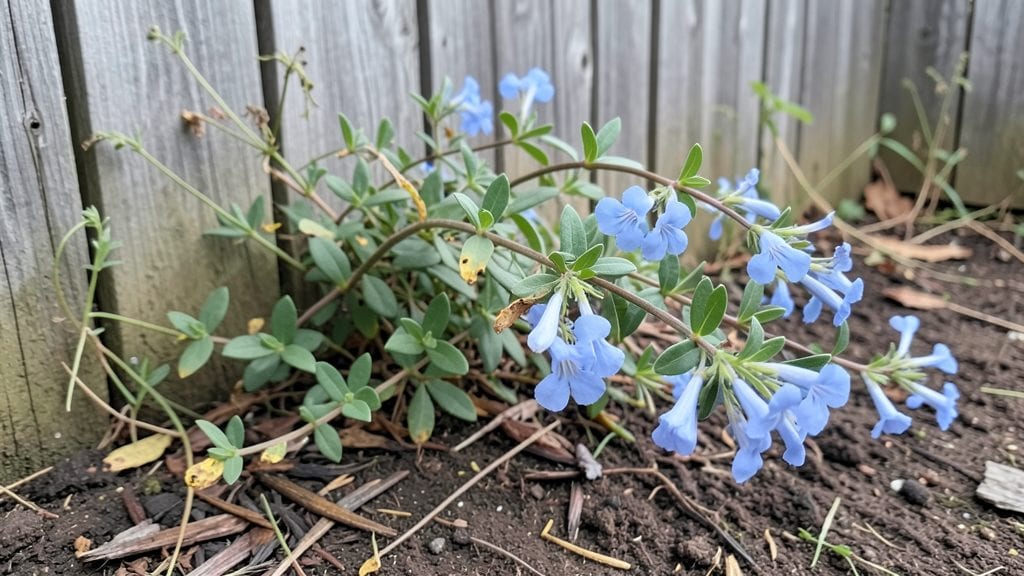
Growing perennial plumbago plants can transform your sun-drenched garden into a blue paradise with almost no effort—just plant it, watch it spread, and enjoy the blooms for years.
If you crave vibrant blue blooms that thrive in full sun with minimal fuss, this 🌸 is your dream plant. Its cascading blue spikes return year after year, spreading effortlessly to create stunning garden drama.
Perfect for USDA Zone 6a and beyond, plumbago loves the heat and drought once established, making it ideal for low-maintenance landscapes. Whether you’re filling a hanging basket or softening a sunny border, this hardy perennial delivers fast results.
In this guide, I’ll walk you through everything from planting in April-May to pruning tips that keep it lush and blooming. Ready to add a splash of cool blue to your garden?
How to grow perennial plumbago: sun, soil, and spreading secrets
Perennial plumbago (Plumbago auriculata) is one of those low-maintenance plants that rewards you with vibrant blue flowers year after year. Its aggressive yet controlled spreading makes it perfect for borders, slopes, or even cascading from containers.
The key to success? Understanding its sunlight demands, soil preferences, and how to manage its natural growth habit.
Unlike its annual cousin, this perennial thrives in USDA Zone 6a and warmer, returning stronger each season. With the right care, you’ll enjoy continuous blooms from spring to fall, making it a standout in any sunny garden.
Let’s dive into the sun, soil, and spreading secrets that will keep your plumbago lush and blooming.
| Growing Factor | Ideal Condition | Key Notes |
|---|---|---|
| Sunlight | Full sun (6+ hours/day) | Too little sun = fewer blooms; morning sun prevents leaf scorch |
| Soil Type | Well-draining, slightly sandy | Avoid clay soil; amend with compost for better drainage |
| Water Needs | Deep watering weekly | Drought-tolerant once established; water morning to reduce fungal risk |
| Spreading Habit | Aggressive (2-3 ft wide) | Use containers or root barriers to control spread; prune back in early spring |
| Fertilizer | Balanced (5-10-10) | Feed spring and summer only; avoid over-fertilizing for lush foliage over blooms |
| Hardiness | USDA Zones 6a-11 | Die back in cold winters but regrows from roots in spring |
Starting with the right sun exposure is critical—plumbago craves full sun (6+ hours daily) to produce its signature blue blooms. Plant it in a spot where it gets morning sun and afternoon shade if you’re in a hotter climate like Zone 9 or 10.
Too little light, and you’ll end up with leggy stems and sparse flowers.
For soil preparation, plumbago prefers well-draining, slightly sandy soil with a pH between 6.0 and 7.0. If your garden soil is heavy clay, mix in compost or perlite to improve drainage. Poor drainage leads to root rot, which can kill your plant quickly.
A quick soil test before planting will save you headaches later!
Watering is where plumbago earns its low-maintenance reputation. Once established, it’s drought-tolerant, but young plants need consistent moisture to root well. Water deeply once a week, focusing on the base of the plant to encourage deep roots. Avoid wetting the leaves to prevent fungal diseases like powdery mildew.
Now, let’s talk about that spreading habit—plumbago is not shy about expanding! It can spread 2-3 feet wide annually, making it ideal for ground cover or filling in gaps. To control its spread, plant it in containers or use root barriers if you’re worried about it taking over.
Prune back one-third of the plant in early spring to encourage bushier growth and more blooms.
If your plumbago starts showing yellowing leaves, it’s often a sign of overwatering or poor drainage. Let the soil dry out between waterings and check for compacted soil. Slow growth?
It might need more sunlight or fertilizer. A light feeding with a balanced 5-10-10 fertilizer in spring and summer keeps it thriving without encouraging too much foliage over flowers.
One of the best parts of growing plumbago is its pest resistance. Deer and rabbits usually leave it alone, and it’s rarely bothered by insects. However, watch for aphids or spider mites in hot, dry weather.
A strong spray of water or insecticidal soap will keep them in check. With minimal effort, your plumbago will reward you with years of effortless blue beauty.
Ready to plant? Grab some plumbago cuttings or nursery starts, dig a hole twice as wide as the root ball, and get ready for a sun-loving superstar that spreads faster than weeds but looks a million times better. Happy gardening!
Best uses for perennial plumbago in landscaping: hanging baskets, ground cover, and more
Perennial plumbago isn't just a pretty face—it's a versatile powerhouse for sun-loving gardens. Its blue cascading blooms and fast-spreading habit make it perfect for adding color where other plants struggle. Whether you're working with hanging baskets, sloped terrain, or drought-prone areas, plumbago delivers drama with minimal effort.
What I love most about this plant is its adaptability. It thrives in containers, ground cover roles, and even as a privacy screen when planted densely. The key is understanding how to prune and pair it with complementary plants to maximize its impact.
Let’s explore the best ways to showcase this sun-seeking beauty in your landscape.
- 🪴 Hanging Baskets: Perfect for patios and balconies, plumbago’s trailing habit creates stunning blue waterfalls. Pair with petunias or lobelia for contrasting colors. Use a well-draining mix to prevent root rot.
- 🌿 Ground Cover: Plant in sunny borders or slopes to suppress weeds and add year-round color. Space 18-24 inches apart for full coverage. Ideal for rock gardens or Mediterranean-style landscapes.
- 🌳 Privacy Screens: Create a living blue hedge by planting plumbago in double rows. Prune to 3 feet tall for a dense, drought-resistant barrier. Combine with lavender or rosemary for texture.
- 🪴 Container Gardens: Use in large pots or window boxes for seasonal color. Mix with succulents or sedum for a low-maintenance combo. Ensure pots have drainage holes to avoid soggy roots.
- 🌡️ Drought-Tolerant Landscapes: Plant in xeric gardens where water conservation is key. Its deep roots make it resilient once established. Pair with agave or yucca for a desert-inspired look.
To keep your plumbago looking its best, prune spent blooms regularly to encourage new growth. In late winter, cut back 1/3 of the plant to shape it and remove dead wood. This rejuvenation prune ensures a fuller, bushier plant by spring.
For companion plants, consider lavender (repels pests), salvia (attracts pollinators), or veronica (complements blue tones). Avoid planting near shade-loving plants—plumbago needs full sun to thrive. With the right placement and care, your plumbago will reward you with years of effortless color.
Ready to transform your garden? Start small with a hanging basket or ground cover patch, and watch your blue paradise take shape—nature’s way of saying, "Less work, more wow!" 🌸