
Flowers
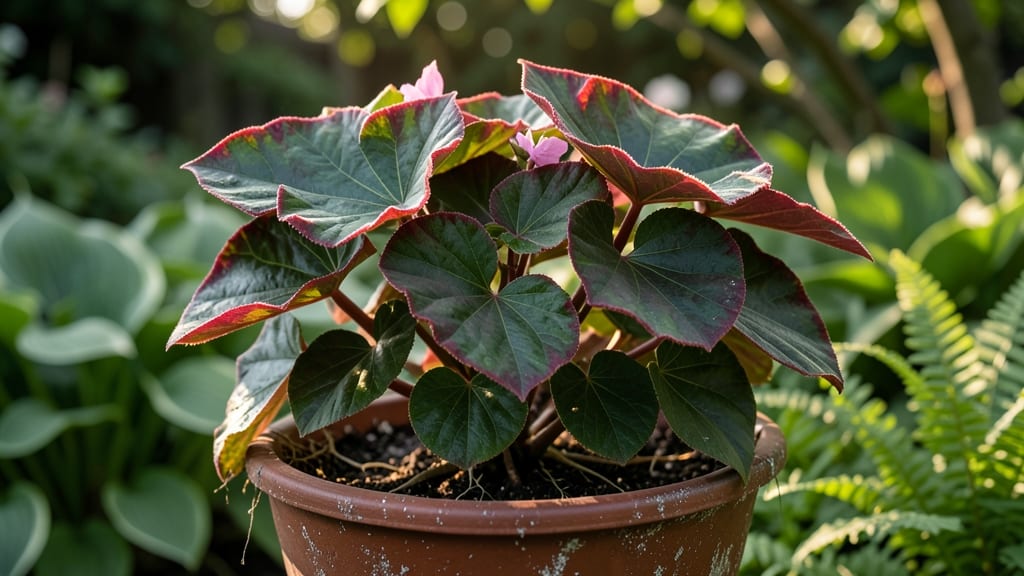
Dragon wing begonia is a perennial or annual that behaves like a perennial in frost-free zones but dies back when temperatures drop below 30°F. In colder regions, gardeners must treat it as an annual or bring it indoors to protect its delicate leaves and trailing stems.
This plant thrives as a tender perennial in USDA zones 10-12, where it naturally overwinters outdoors. 🌿 Outside those zones, even light frost can damage its leaves, causing permanent dieback.
The key difference is its inability to survive freezing temperatures—unlike true perennials, dragon wing begonia lacks the hardy root systems to regenerate after winter. Many growers in cooler climates choose to overwinter it in pots near sunny windows, where it can continue growing with proper care.
What sets dragon wing begonia apart is its trailing growth habit, which makes it a prized container plant. Unlike annuals, it can regrow from cuttings, but only if you save some stems before the first frost hits.
The plant's sensitivity to cold means gardeners must act quickly to protect it—whether that means digging up pots or moving them indoors before temperatures dip.
💡 In This Article
- Dragon Wing Begonia’s Cold Tolerance Limits and Zones
- How to Overwinter Dragon Wing Begonia in Cold Climates
Dragon wing begonia’s cold tolerance limits and zones
The dragon wing begonia's cold sensitivity stems from its tropical origins, where temperatures rarely drop below 50°F. This tender perennial thrives in USDA zones 10-12, where winter highs stay above 40°F and lows rarely fall below 30°F.
The plant's cells begin suffering damage when exposed to 28°F or lower, as ice crystals form within the leaf tissue, rupturing cell membranes and causing irreversible harm. Unlike true perennials, it lacks the protective mechanisms like deep root systems or insulating bark to survive freezing.
What makes this plant unique is its trailing growth habit, which develops best in warm climates where it can continuously grow. In cooler zones, the stems become woody and less flexible, losing their signature cascading form.
The leaves, which can reach 6-12 inches long, also become more brittle in cold conditions. 🌿 The plant's sensitivity to temperature changes is why gardeners in zones 9 and below must treat it as an annual or take special overwintering precautions.
The science behind its frost sensitivity involves a process called "cold acclimation." Unlike hardy perennials, dragon wing begonia cannot properly harden off before winter. True perennials like hostas or daylilies produce protective sugars and proteins that prevent cell damage, but this begonia lacks those adaptations.
When temperatures drop below 32°F, the plant's water content freezes, expanding and tearing through delicate leaf structures. Even a single night below 30°F can kill the entire plant if left outdoors.
Zone considerations go beyond just temperature. Humidity plays a crucial role too—this tropical plant thrives in 50-70% humidity ranges. In dry winter climates, indoor overwintering becomes even more critical to prevent leaf desiccation.
The plant's natural habitat in Southeast Asia receives consistent moisture, making it poorly equipped for dry, cold winters. Gardeners in zones 8-9 often find their plants survive one mild winter but succumb in subsequent cold snaps without protection.
For those living in marginal zones (9a-9b), microclimates become vital. Planting near south-facing walls or using protective covers can extend the growing season by 2-4 weeks. The plant's ability to regenerate from cuttings means you can often salvage stems even after frost damage occurs.
However, the root system rarely survives freezing, which is why repotting before winter is often recommended for indoor overwintering.
Understanding these cold tolerance limits helps explain why dragon wing begonia behaves differently in various climates. In frost-free zones, it grows continuously, producing new leaves and stems throughout the year.
But in cooler regions, it enters a state of suspended growth during winter months, similar to how tropical houseplants behave in northern homes. This dual nature is what makes it classified as a tender perennial rather than a true annual.