
Plants
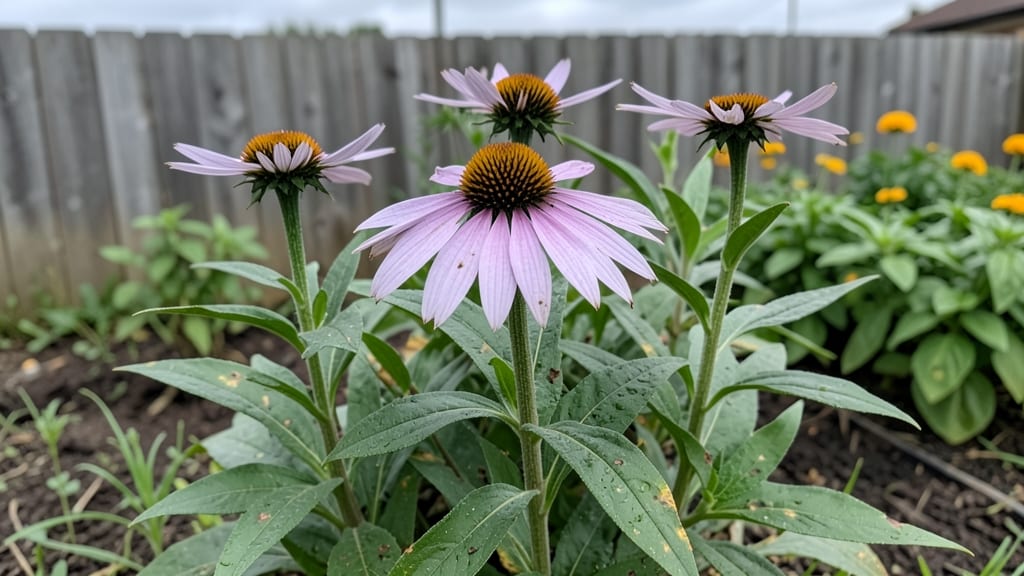
Perennial grasses with yellow flowers bring bold seasonal color to gardens while surviving harsh winters, with standout varieties like Miscanthus sinensis 'Zebrinus' delivering golden plumes and Panicum virgatum 'Northwind' offering frost-resistant foliage. These cold-tolerant plants require minimal care once established.
Yellow-blooming perennial grasses thrive in cold climates because their golden hues come from carotenoids—pigments that actually protect plant tissues during winter stress. 🌟 Unlike some flowering perennials that fade in frost, these grasses maintain their color even after the first freeze, making them ideal for four-season interest.
Their deep root systems also help prevent soil erosion while requiring less water once settled in well-draining soil.
For best results, plant them in full sun where they'll develop their most vibrant colors, and avoid over-fertilizing—these grasses prefer lean conditions. A light spring pruning (cutting back old growth by one-third) encourages fresh growth and more abundant blooms later in the season.
💡 In This Article
- Why Cold-Hardy Perennial Grasses Flourish in Yellow-Blooming Varieties
- Planting and Maintenance Guide for Yellow-Flowering Perennial Grasses
Why cold-hardy perennial grasses flourish in yellow-blooming varieties
Yellow-blooming perennial grasses dominate cold climates because their golden hues stem from carotenoids—pigments that act as natural sunscreen and antioxidants. Unlike chlorophyll, which breaks down under frost, carotenoids remain stable even at temperatures below 28°F, preserving the plant's vibrant color.
This biological advantage explains why varieties like Miscanthus sinensis maintain their golden plumes through winter's harshest months while many other perennials fade to brown.
The key to their frost resistance lies in their leaf structure. Cold-hardy grasses develop thick, waxy cuticles that reduce water loss and prevent ice crystal formation within cells. Their vertical growth habit also allows snow to accumulate on foliage, creating natural insulation that can raise temperatures 5-10°F above ambient conditions.
This architectural adaptation is why Panicum virgatum varieties like 'Northwind' survive winters in USDA Zone 4 without protection.
Root systems play an equally crucial role in their winter survival. These grasses develop extensive fibrous root networks that extend 3-5 feet deep, anchoring them against wind and accessing moisture from thawing layers.
The roots also store carbohydrates produced during summer growth, which fuel regrowth in spring. This underground storage system is why established clumps require minimal watering once established—even during drought conditions.
Ornamental varieties often outperform native species in cold climates because of selective breeding for specific traits. For example, Miscanthus sinensis 'Zebrinus' was developed to retain its striped foliage through winter, while native switchgrass (Panicum virgatum) may lose some of its golden hues in prolonged cold.
The trade-off? Cultivated varieties sometimes require slightly better soil drainage than their wild counterparts.
What most gardeners don't realize is that the yellow flowers themselves serve a dual purpose in cold climates. The bright blooms attract early-season pollinators when other flowers are dormant, while their structure helps prevent snow accumulation that could damage tender stems.
This dual functionality explains why these grasses thrive in both ornamental landscapes and natural prairies alike.
For maximum winter performance, plant these grasses in locations with at least 6 hours of direct sunlight daily—this ensures optimal carbohydrate production during the growing season. Their ability to photosynthesize at lower light levels than many flowering perennials gives them another cold-climate edge. 💛